

If you have lived through trauma, you already know the truth that many people never have to learn firsthand. Trauma does not stay politely in the past. It can show up in the body as tension, numbness, panic, hypervigilance, insomnia, digestive issues, chronic shame, and an uneasy sense that you are never fully safe.
Addiction often begins as an attempt to quiet those sensations. Substances can feel like relief at first, a way to soften memories, slow the nervous system, or simply get through the day. But over time, that coping strategy becomes its own source of pain, disconnection, and danger.
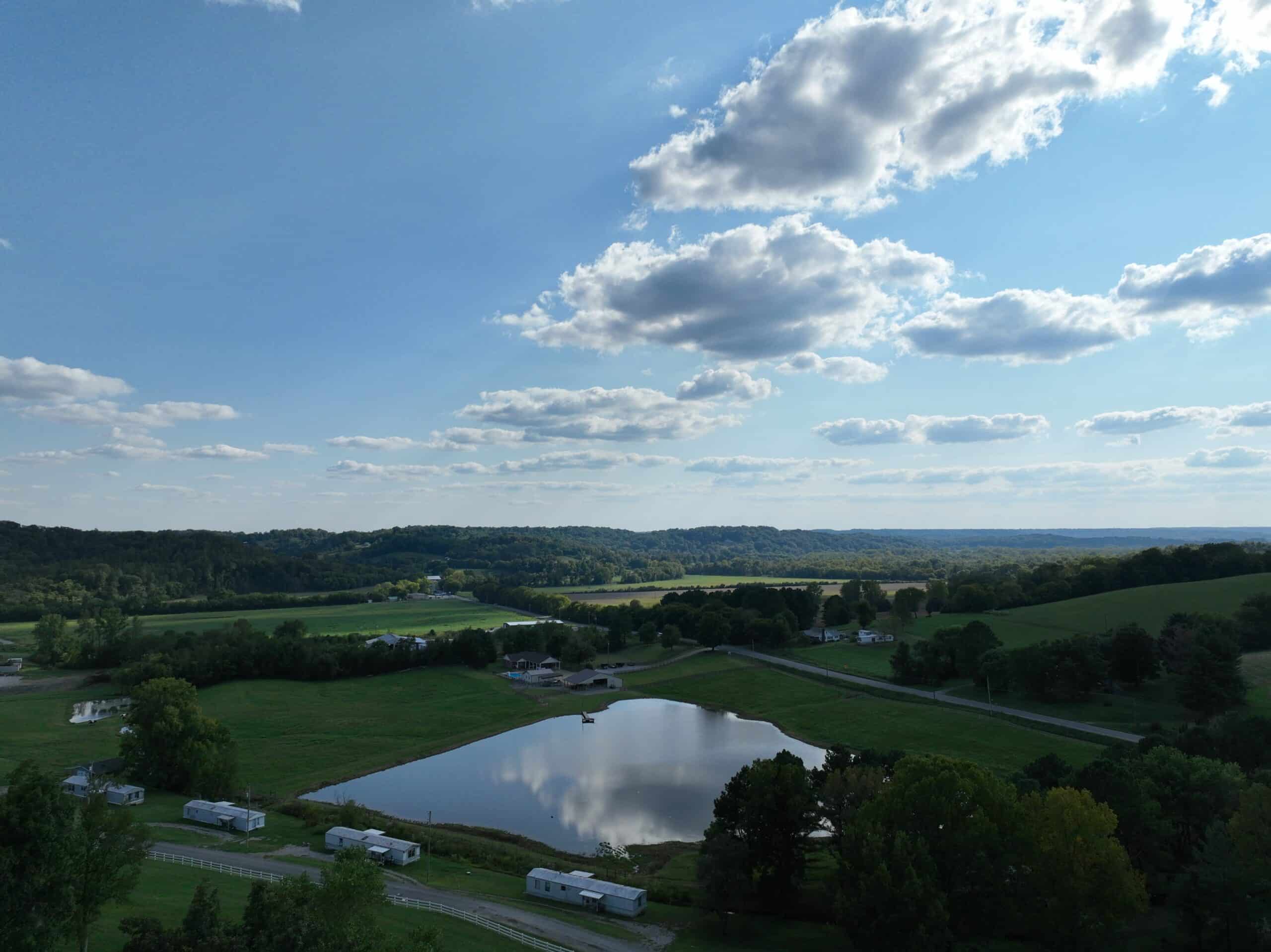
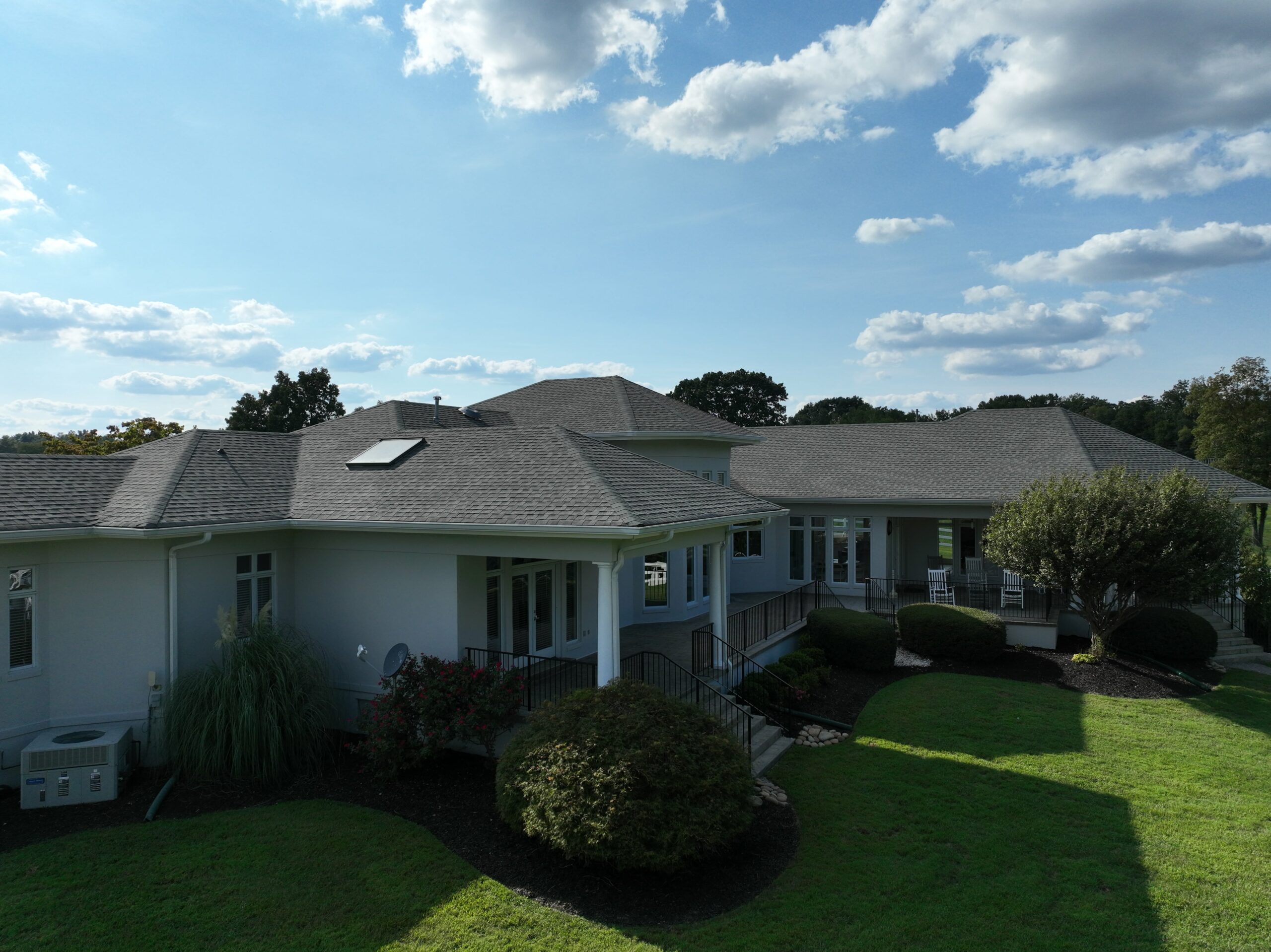
At Magnolia Ranch Recovery, we treat addiction through a dual diagnosis lens because we know the substance use is rarely the whole story. We look for the core issues underneath, including trauma, anxiety, depression, grief, and relational wounds. And we do it in a private, secluded setting in Tennessee where you can finally exhale and begin again.
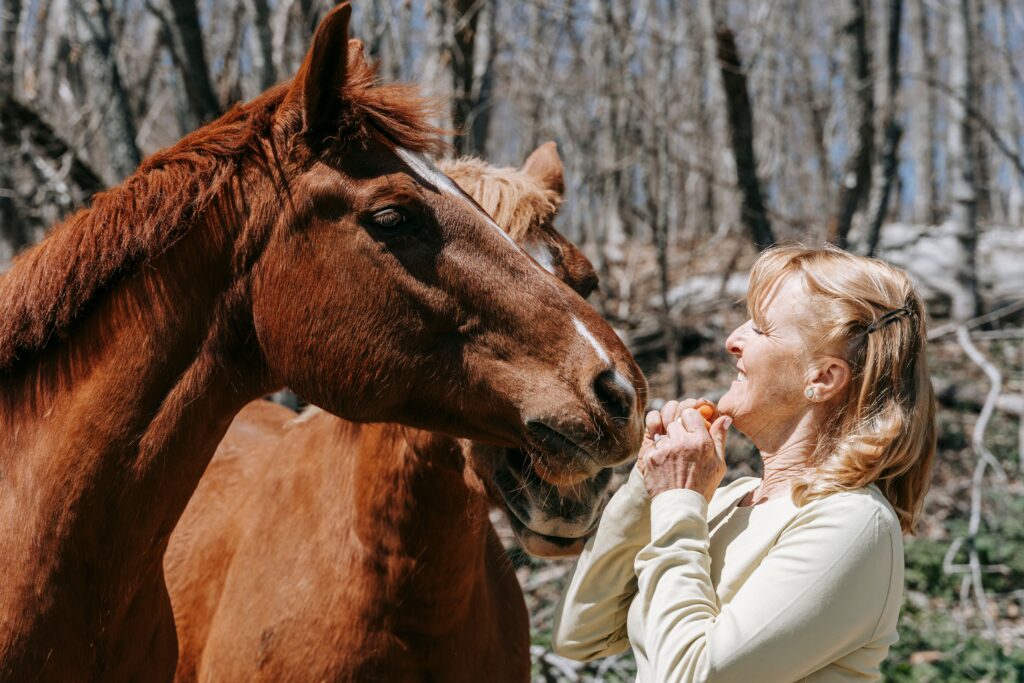
One of the ways we support that deeper healing is through equine therapy, a nature based, relationship centered approach that can be especially powerful for trauma recovery and addiction treatment.
What Is Equine Therapy, Really?

Equine therapy, sometimes called equine assisted therapy or equine assisted learning, is a therapeutic approach that involves structured interactions with horses as part of a clinical treatment plan. It is not “just riding horses,” and it is not a replacement for evidence based therapy. It is a carefully guided experience that helps you practice new ways of relating to your body, your emotions, and other people.
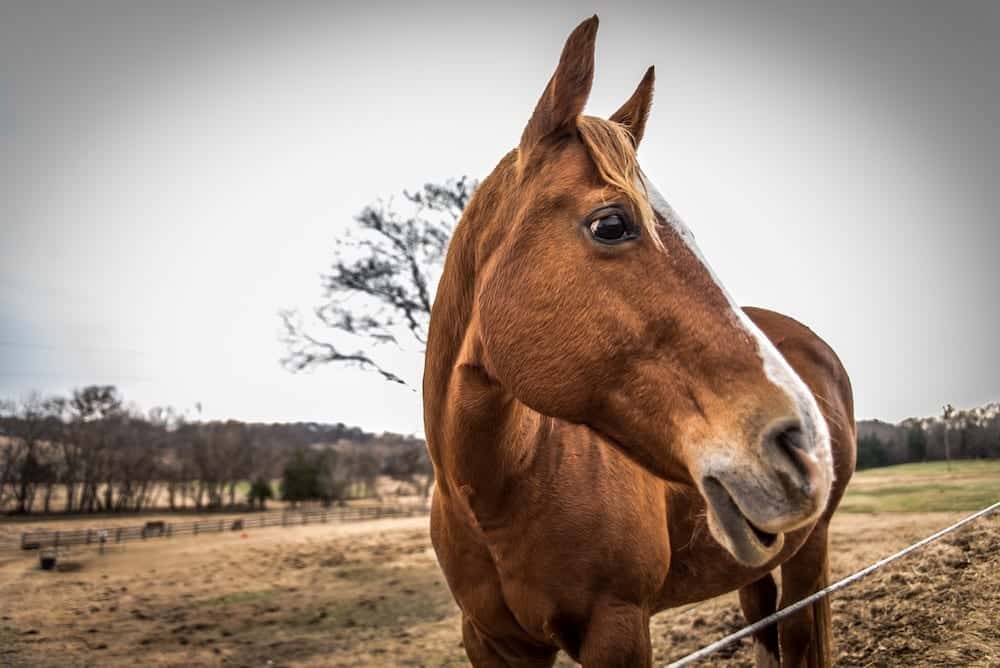
Horses are prey animals. They are exquisitely sensitive to the nervous systems around them, and they communicate primarily through body language, energy, boundaries, and rhythm. They do not respond to performance, charm, or explanations. They respond to what is real in the moment.
That is part of why this work can feel so clarifying. In trauma and addiction, we often learn to survive by disconnecting from what is happening inside us. Horses invite us back into honest connection without judgment.
Why Trauma Lives in the Nervous System (And Why That Matters)
Many people come to treatment believing they should be able to “talk it out” and move on. But trauma is not only a story we remember. Trauma is also a physiological imprint.
After traumatic experiences, the nervous system can get stuck in survival modes:
- Fight: irritability, anger, control, urgency
- Flight: anxiety, restlessness, overworking, perfectionism
- Freeze: numbness, dissociation, shutdown, depression
- Fawn: people pleasing, loss of boundaries, fear of conflict
Substances can temporarily shift these states. Alcohol may soften hypervigilance. Opioids may numb emotional pain. Stimulants may push through collapse. But the nervous system never truly learns safety. It only learns escape.
Equine therapy supports trauma recovery because it works directly with the parts of healing that are difficult to access through words alone: regulation, felt safety, boundary repair, and embodied trust.
How Equine Therapy Supports Trauma Recovery
1) Horses Help You Practice Nervous System Regulation in Real Time
When you are near a horse, your body receives constant feedback. If you approach with tension, rushing, or guardedness, the horse may move away, become restless, or mirror that dysregulation. If you soften your breath, slow down, and become more present, the horse often settles too.
That is not magic. It is biology and relationship.
In sessions, we help you notice what is happening inside you, then practice regulation skills that are useful far beyond the barn:
- grounding through breath and posture
- slowing down without shutting down
- tracking sensations without panic
- returning to center after activation
For trauma survivors, this can be a turning point. Instead of feeling controlled by the body, you begin to realize you can build a steadier inner baseline.
2) Horses Offer Connection Without Demands
Trauma often teaches a painful lesson: closeness is unsafe. Many people learn to expect harm, betrayal, criticism, or abandonment. Even when someone is kind, the body may stay braced for impact.
Horses do not require you to be entertaining, impressive, or “fine.” They do not ask you to explain your past. They ask you to be present, respectful, and clear.
That kind of low pressure connection can feel profoundly restorative. Over time, it can help rebuild the capacity to trust, not blindly, but wisely.
3) Horses Strengthen Boundaries in a Safe, Concrete Way
Healthy boundaries are not just a concept. They are a lived skill.
If you have trauma, boundaries may feel complicated. Some people learned to have no boundaries because they were never respected. Others learned rigid boundaries because flexibility once meant danger.
Horses respond to clarity. If you are inconsistent, unsure, or over accommodating, the horse may ignore your cues. If you become harsh or controlling, the horse may resist or withdraw. The goal is a balanced middle: clear, calm leadership rooted in respect.
In equine therapy, boundaries stop being theoretical. You practice them in the body:
- standing your ground without aggression
- making a request without apology
- noticing when fear makes you collapse
- noticing when shame makes you over explain
This boundary repair is especially important for people recovering from trauma related substance use, where self protection often got replaced by self abandonment.
4) Horses Help You Work With Shame, Not From Shame
Shame is one of the most common hidden drivers of addiction. It says, “Something is wrong with me,” not “Something happened to me.”
In the barn, shame has nowhere to hide, but it also has less power. If you make a mistake, a horse does not label you. There is simply a moment to reset. To try again. To adjust your stance, tone, timing, or attention.
That process helps build self compassion in a very practical way. You start to experience that you can be imperfect and still be safe, respected, and capable.
5) Horses Reinforce Authenticity Over Performance
Many trauma survivors become experts at reading others while losing touch with themselves. That can lead to a life of performing, pleasing, or controlling to maintain safety.
Horses respond to congruence. If you say you are calm but your body is braced, the horse will notice the bracing. If you say you are confident but your energy is frantic, the horse will respond to the frantic.
This is not punishment. It is truth without cruelty.
As you practice becoming more internally aligned, that authenticity begins to carry into everyday life, including relationships, recovery meetings, and family conversations.
How Equine Therapy Supports Addiction Treatment
Addiction recovery is not only about stopping substances. It is about building a life where substances are no longer needed.
Equine therapy supports that process in several key ways.
1) It Rebuilds Reward and Joy Through Healthy Connection
Substances hijack the brain’s reward system. Early recovery can feel flat, restless, or emotionally raw. In nature, in relationship, and in skill building, the brain begins to rediscover safer sources of reward.
Working with horses can provide a grounded sense of enjoyment and accomplishment:
- completing a task through patience rather than force
- feeling calm in your body for a few minutes at a time
- experiencing connection that is not transactional
- learning a new skill without self criticism
Those moments matter. They remind you that recovery is not deprivation. It is restoration.
2) It Strengthens Distress Tolerance and Impulse Control
Addiction often becomes a reflex: discomfort arises, and the system searches for immediate relief.
In equine work, immediate relief is rarely the path. Horses teach pacing. You cannot rush trust. You cannot force connection. You cannot control an outcome through intensity.
You learn to stay present with discomfort while choosing a wiser response. That is the same muscle you need when cravings hit, when emotions surge, or when old patterns call your name.
3) It Restores Self Efficacy
Many clients arrive feeling defeated by their own history. They have tried to quit and relapsed. They have disappointed people they love. They may not trust themselves anymore.
Equine therapy creates opportunities for mastery that are emotionally meaningful. When you learn to communicate clearly and a horse responds, your nervous system registers something important:
“I can influence outcomes in healthy ways.” “I can be trusted with responsibility.” “I can lead without domination.” “I can repair after missteps.”
That self efficacy supports sobriety because recovery requires daily choices rooted in self trust.
4) It Helps You Practice Healthy Relationship Dynamics
Addiction isolates. Trauma isolates. Many people lose the felt sense of safe connection.
In the barn, you practice relationship skills that translate directly to human relationships:
- attunement: noticing subtle cues without overreacting
- repair: trying again after disconnection
- respect: holding boundaries without contempt
- patience: allowing trust to build at its own pace
These experiences can soften the fear that connection will always cost you something. They can also reveal patterns gently, so you can change them with support.
True recovery means moving past sheer willpower to heal the root psychological wounds and rebuild genuine self-trust. Reach out to the dedicated team at Magnolia Ranch Recovery for a confidential consultation, and discover how our nature-based, relationship-centered approach can permanently break the cycle of substance use.
What Equine Therapy Can Look Like in Treatment
Equine sessions are typically ground based. Depending on the clinical goals, you may engage in activities such as:
- approaching and greeting a horse while practicing regulation
- grooming, leading, and learning safe, respectful handling
- navigating obstacles that represent communication or boundaries
- reflecting with a therapist on what came up emotionally
- practicing assertiveness, pacing, and presence
The point is not to “do it perfectly.” The point is to notice your patterns and build new ones in a setting that is calm, natural, and real.
At Magnolia Ranch Recovery, we integrate experiential therapies like this within a broader, clinically grounded program. Equine therapy works best when it is part of a whole continuum that addresses mind, body, and behavior.
Why This Work Is Especially Powerful in a Private, Secluded Setting
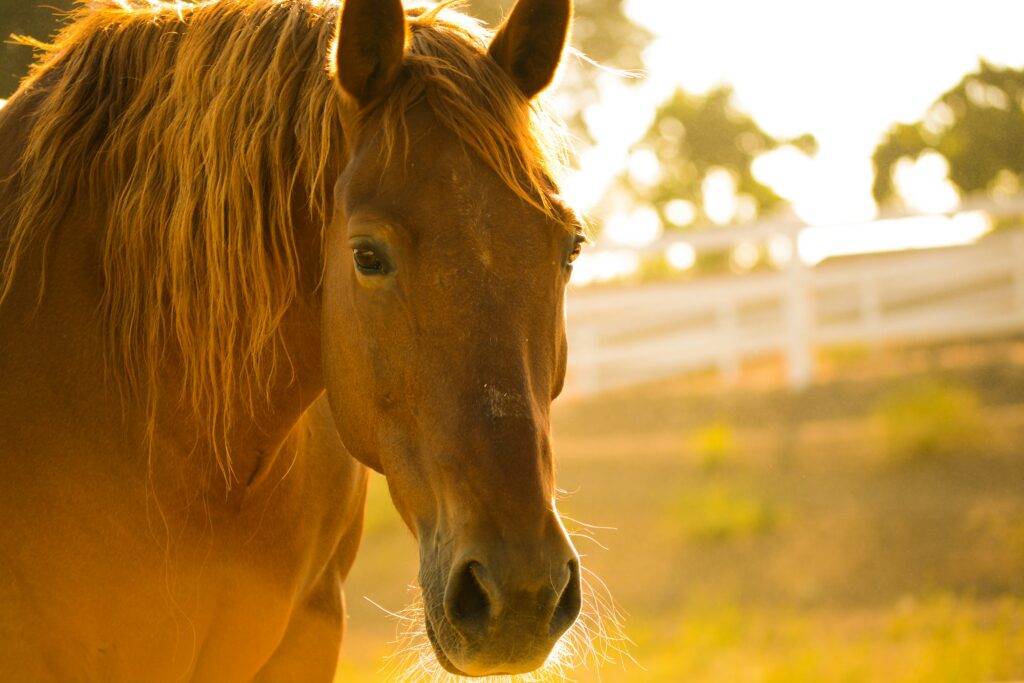
Privacy and safety are not luxuries in trauma recovery. They are foundations.
Many people have spent years living on alert, managing appearances, or protecting themselves from judgment. In a secluded environment, the nervous system finally has a chance to downshift. You can begin to process what you have carried without the constant pressure to perform.
Our setting in Tennessee supports that quieter kind of healing. And our low client to therapist ratio means you are not lost in the crowd. You are known. You are supported. You are guided with care.
Equine Therapy and Dual Diagnosis: Healing the Root, Not Just the Symptoms
When trauma, anxiety, depression, or PTSD are present, recovery requires more than abstinence. It requires understanding what the substance was doing for you, and then building healthier ways to meet those needs.
Equine therapy fits naturally into dual diagnosis care because it helps you work with:
- emotional regulation
- anxiety and hypervigilance
- dissociation and numbness
- relational fear and avoidance
- shame and self blame
- identity rebuilding and purpose
In other words, it supports the deeper work of becoming whole.
What If You’re Nervous Around Horses?
That is more common than you might think, and it is not a problem. Nervousness can actually become part of the healing.
In a well supported session, fear is approached with respect, not pressure. We go slowly. We teach you how to stay safe. We help you track what is happening in your body, and we use that information therapeutically.
For many clients, learning to approach something intimidating with support becomes a powerful metaphor for recovery itself: you do not have to do it alone, and you do not have to do it perfectly.
Building a New Life After Trauma and Addiction
Recovery is not only about what you stop. It is about what you begin.
It is learning to wake up without dread. Learning to live inside your body with more ease. Learning to trust your own boundaries. Learning to connect without losing yourself. Learning to feel, and to stay.
Equine therapy can be one of the experiences that helps make that shift real. It is quiet work, but it is profound. It invites you back to yourself through nature, presence, and honest relationship.
If you are struggling with addiction, trauma, or both, we want you to know that help can feel different than you expect. It can be private. It can be steady. It can be compassionate. And it can lead to a life that is not just sober, but genuinely fulfilling.
Reach Out to Magnolia Ranch Recovery
If you are ready to explore treatment that addresses addiction and underlying trauma together, we are here. Contact Magnolia Ranch Recovery to ask questions, learn about our inpatient program in Tennessee, or schedule a confidential consultation. We will meet you with respect, clarity, and a path forward.
FAQs (Frequently Asked Questions)
What is equine therapy and how does it differ from just riding horses?
Equine therapy, also known as equine assisted therapy or equine assisted learning, is a therapeutic approach involving structured interactions with horses as part of a clinical treatment plan. It is not simply riding horses nor a replacement for evidence-based therapy. Instead, it offers a carefully guided experience helping individuals practice new ways of relating to their bodies, emotions, and others through the sensitive and nonjudgmental presence of horses.
How does trauma affect the nervous system and why is this important in addiction treatment?
Trauma leaves a physiological imprint on the nervous system, causing it to get stuck in survival modes such as fight (anger, irritability), flight (anxiety, restlessness), freeze (numbness, shutdown), or fawn (people pleasing, loss of boundaries). Substances may temporarily shift these states but do not teach true safety. Recognizing this helps in addiction treatment by addressing underlying trauma symptoms like nervous system dysregulation rather than focusing solely on substance use.
In what ways does equine therapy support nervous system regulation for trauma survivors?
Equine therapy provides real-time feedback from horses that respond to a person’s energy and presence. By practicing calming techniques like grounding through breath and posture near horses, individuals learn to slow down without shutting down, track sensations without panic, and return to center after activation. This embodied practice helps trauma survivors build steadier inner regulation beyond traditional talk therapies.
Why is connection with horses beneficial for people recovering from trauma and addiction?
Horses offer connection without demands or judgment. Unlike human relationships that may trigger fear of harm or abandonment, horses require only presence, respect, and clarity. This low-pressure interaction can be profoundly restorative and helps rebuild the capacity to trust wisely over time—an essential step in healing relational wounds common in trauma and addiction recovery.
How does equine therapy help individuals strengthen their personal boundaries?
Equine therapy makes boundaries tangible by requiring clear, calm leadership rooted in respect when interacting with horses. Horses respond to consistency and clarity; they ignore inconsistent cues and resist harshness or control. Through this process, individuals practice standing their ground without aggression, making requests without apology, and recognizing when fear or shame affects their boundaries—skills crucial for those recovering from trauma-related substance use.
What role does equine therapy play in addressing shame during addiction recovery?
Shame often drives addiction by fostering beliefs like ‘Something is wrong with me.’ In equine therapy sessions, shame loses power because horses do not judge mistakes; they offer immediate opportunities to reset and try again. This nonjudgmental environment allows individuals to work with shame constructively rather than being controlled by it, facilitating deeper healing in recovery.
Healing from addiction and underlying trauma requires a safe, compassionate space where your nervous system can finally downshift and rest. Contact Magnolia Ranch Recovery today to learn how our private equine-assisted therapy program in Tennessee can help you reconnect with your body and reclaim a steady inner baseline.