


Watching a loved one slowly disappear into the shadows of a substance use disorder is one of the most heartbreaking experiences a family can endure. When the substance involved is methamphetamine—a powerful and highly addictive central nervous system stimulant, the transformation is often terrifyingly rapid. Because of the drug’s potency, signs of meth abuse manifest quickly, affecting every facet of a person’s biology, personality, and physical appearance.
At Magnolia Ranch Recovery, we speak with families every day who are desperately searching for answers. They see their son, daughter, spouse, or friend changing before their eyes, but they aren’t always certain if what they are witnessing is a mental health crisis, extreme life stress, or the beginning of a devastating addiction. Recognizing the signs of meth abuse early is critical. Methamphetamine hijacks the brain’s reward system, flooding it with dopamine and creating a “loop” of seeking the drug at any cost. The sooner an intervention occurs, the sooner the biological and psychological healing can begin.
This guide is a comprehensive resource designed to help you identify the specific physical and behavioral signs of meth abuse while providing a clear clinical roadmap for getting your loved one the help they need in Tennessee.
Understanding the Bio-Chemistry: Why the Signs Are So Drastic

To understand why the signs of meth abuse are so visible and jarring, one must understand what is happening inside the brain. Methamphetamine increases the amount of natural dopamine in the brain to levels that are far beyond what the human body is designed to handle. While a natural reward (like eating great food) might release a certain amount of dopamine, meth can release significantly more.
This flood of chemicals creates an intense “rush,” but it also damages the brain’s receptors. Over time, the person can no longer feel pleasure from normal activities. They become trapped in a cycle of use just to feel “normal.” This internal chemical chaos is what ultimately spills over into the external signs of meth abuse that families notice.
Physical Signs of Meth Abuse: The External Toll
Methamphetamine is highly acidic and causes significant systemic damage that manifests on the outside of the body with startling speed. If you suspect a loved one is struggling, look for these common physical signs of meth abuse:
1. Rapid Weight Loss and Malnutrition
One of the most immediate signs of meth abuse is a sudden, drastic drop in weight. Meth acts as a potent appetite suppressant, often causing individuals to go days without eating while on a binge. This leads to a gaunt, skeletal appearance and a “wasting” of muscle tissue.
2. Skin Sores and Scabbing
Perhaps the most recognizable signs of meth abuse are the presence of sores or scabs, particularly on the face, arms, and chest. Methamphetamine often causes tactile hallucinations known as “formication,” or the sensation that insects are crawling under the skin (often called “meth mites”). The user will obsessively pick at their skin to get the “bugs” out, leading to open wounds, infections, and permanent scarring.
3. Dental Decay (Meth Mouth)
The drug’s acidity, combined with the fact that it reduces saliva production (which normally protects the teeth), leads to rapid and severe dental decay. Common signs of meth abuse in the mouth include blackened, stained, or rotting teeth that may eventually crumble or fall out entirely. Users also tend to grind their teeth (bruxism), which accelerates the damage.
4. Dilated Pupils and “Glassy” Eyes
During active use, a person’s pupils will often be significantly dilated, regardless of the lighting in the room. You may also notice bloodshot eyes, dark circles (from lack of sleep), and a “glassy” or unfocused stare. These ocular signs of meth abuse are often the first things family members notice during a face-to-face conversation.
Behavioral and Psychological Signs: The Internal Shift
While the physical changes are jarring, the behavioral and psychological signs of meth abuse are often what fracture the family unit. The drug creates a “jekyll and hyde” personality shift that can leave loved ones feeling like they are walking on eggshells.
1. Hyperactivity and “Tweaking”
In the early stages of use, a person may seem abnormally energetic, talkative, or hyper-focused. However, as the use continues, this turns into “tweaking.” This is one of the most dangerous signs of meth abuse, occurring at the end of a drug binge when the person can no longer achieve a high. They may exhibit repetitive, purposeless movements, such as pacing, picking at clothes, or obsessively disassembling electronics, while suffering from extreme anxiety and irritability.
2. Severe Insomnia Followed by the “Crash”
Methamphetamine allows users to stay awake for days, or even a week, at a time. This sleep deprivation eventually leads to cognitive decline. When the drug finally leaves the system, the person will “crash,” sleeping for 24 to 48 hours straight. Waking up from this crash usually involves intense depression and a desperate urge to use again to escape the low. These erratic sleep patterns are hallmark signs of meth abuse.
3. Paranoia and Drug-Induced Psychosis
Long-term meth use can lead to full-blown psychosis. You may notice your loved one believing they are being watched by the police, hearing voices, or seeing things that aren’t there. This paranoia can lead to sudden, unprovoked outbursts of aggression or violence. Psychosis is one of the most severe psychological signs of meth abuse and requires immediate professional intervention.
4. Financial and Social Deterioration
As the addiction takes hold, the individual’s priorities shift entirely toward obtaining the drug. Common signs of meth abuse in this category include:
- Frequently asking for money without a clear reason.
- Selling personal or family possessions.
- Losing interest in long-held hobbies or career goals.
- Withdrawing from long-term friends in favor of a new, secretive social circle.
Environmental Signs: What to Look For in Their Space
If you are trying to confirm your suspicions, the environment can often provide clues. Environmental signs of meth abuse include the discovery of drug paraphernalia. Look for:
- Small, burnt glass pipes (often with a bulb at the end).
- Aluminum foil with burn marks.
- Small plastic “baggies” with a white or clear crystalline residue.
- Discarded needles or syringes.
- The smell of chemicals (often described as smelling like ammonia, cat urine, or burnt plastic).
The Stages of Use: How the Addiction Progresses
Understanding the cycle of use can help you categorize the signs of meth abuse you are seeing:
- The Rush: The initial response to the drug (increased heart rate, metabolism, and blood pressure).
- The High: The “argumentative” phase where the user feels smarter and more aggressive.
- The Binge: Repeated use to maintain the high, often lasting 3–15 days.
- Tweaking: The most dangerous phase; the drug no longer works, and the user is in a state of psychotic agitation.
- The Crash: The body shuts down, leading to massive amounts of sleep.
- The Meth Hangover: A state of total depletion, dehydration, and depression.
You don’t have to carry the weight of a loved one’s addiction alone. Contact Magnolia Ranch Recovery today to speak with an admissions specialist about how we can help your family begin the healing process.
Step-by-Step: How to Help a Loved One in Tennessee
If you have recognized the signs of meth abuse, the “wait and see” approach is dangerous. Methamphetamine is a progressive and neurotoxic disease. Here is how to begin the process of getting help at a facility like Magnolia Ranch Recovery:
1. Document the Signs and Set Boundaries
Keep a record of the specific signs of meth abuse you have observed. When you decide to speak with them, ensure they are not currently high or in the middle of a “tweak” or “crash.” Approach them with compassion but firm boundaries. Tell them, “I love you, but I will no longer fund your lifestyle or allow drugs in this house. I am here to help you get into treatment, but I can no longer enable the addiction.”
2. Consult with Addiction Specialists
You don’t have to be the expert. Contact an admissions team to discuss the signs of meth abuse you’ve observed. They can help you determine the appropriate level of care, whether it is a medically supervised detox to manage the “crash” or a long-term residential program to heal the brain.
3. Explore Intervention Options
If the individual is in denial—which is common due to the way meth affects the brain’s self-awareness—a professional interventionist can help. They facilitate a conversation focused on “love and logic,” showing the individual the impact of their choices while offering a clear path to help.
Frequently Asked Questions About Meth Addiction

How long does meth stay in your system? Methamphetamine has a relatively long half-life. While the “high” may fade, the drug can typically be detected in a urine test for 2 to 5 days after the last use. In heavy, chronic users, it may show up for up to a week. Hair follicle tests, however, can detect signs of meth abuse for up to 90 days.
Is it safe to detox from meth at home? While meth withdrawal is rarely life-threatening in the same way alcohol withdrawal can be (which involves seizures), it is incredibly dangerous due to the psychological toll. The “crash” often involves severe suicidal ideation and depression. A medically supervised detox is essential to manage these psychological signs of meth abuse and prevent immediate relapse.
What is the success rate for meth recovery? Recovery is entirely possible, but it requires time. Because meth deeply affects brain chemistry and “rewires” the reward system, long-term residential treatment (30 to 90 days) followed by robust aftercare is the gold standard for maintaining sobriety.
Can “Meth Mouth” and skin sores be fixed? With long-term sobriety, many of the physical signs of meth abuse can be treated. Dental issues can be addressed through restorative dentistry once the person is stable. Skin sores typically heal once the picking behavior stops and the body’s immune system recovers, though scarring may remain.
Healing at the Ranch: Why Magnolia Ranch Recovery?
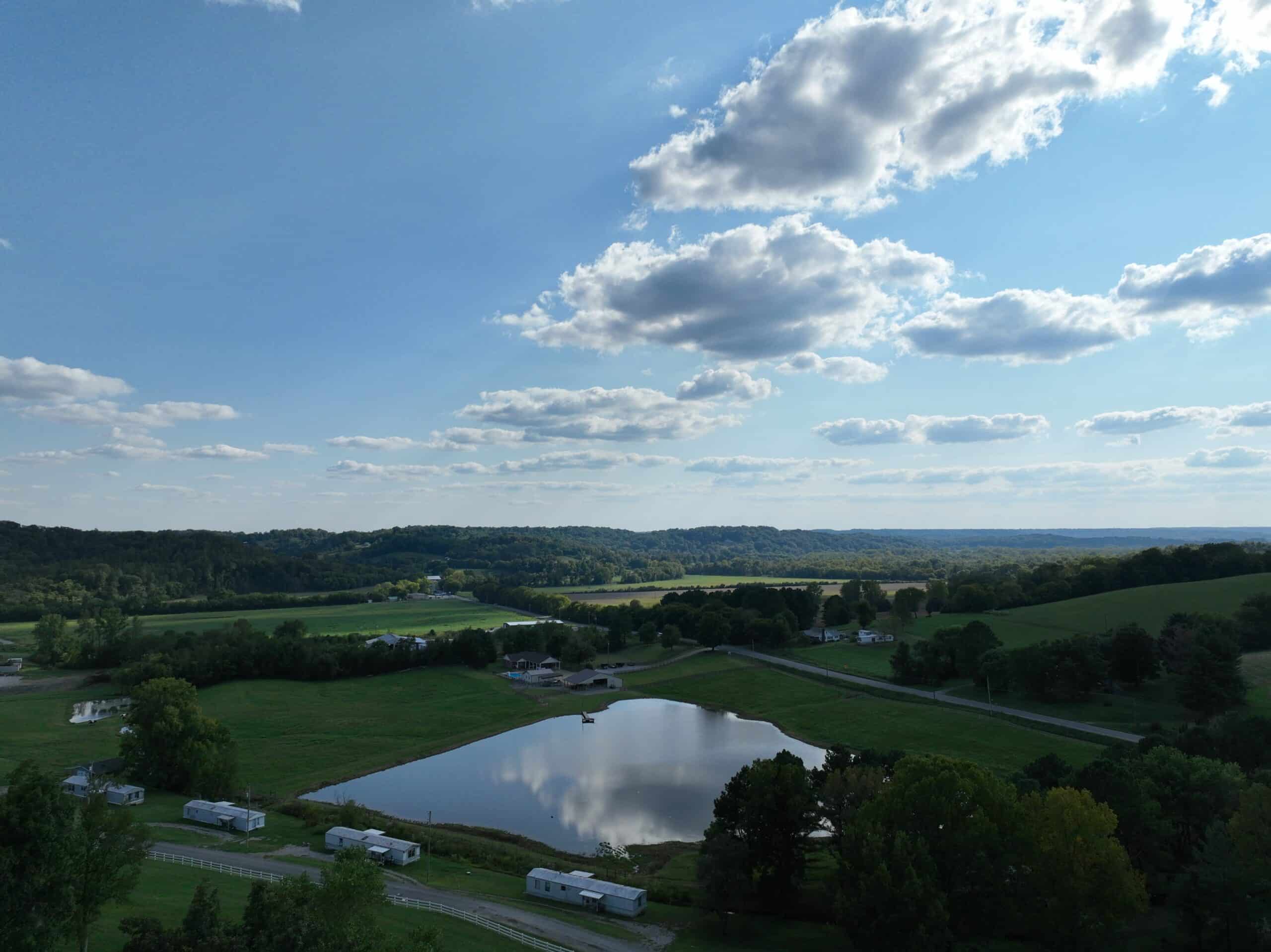
Located in the heart of Middle Tennessee, Magnolia Ranch Recovery offers a unique, serene environment specifically designed for those recovering from the ravages of methamphetamine. We believe that true healing requires a departure from the chaos of the environment where the addiction flourished.
Our 25-acre facility provides a tranquil, “ranch-style” atmosphere that integrates traditional clinical excellence with holistic, nature-based healing. We specialize in treating the “whole person” rather than just the symptoms of use.
Our Specialized Approach Includes:
- Dual Diagnosis Treatment: Many individuals use meth to mask underlying depression, ADHD, or trauma. We address these “co-occurring” disorders simultaneously to ensure a stronger foundation for sobriety.
- Individualized Care Plans: No two paths to recovery are the same. We tailor treatment to the specific biological and emotional needs of the guest, addressing the unique signs of meth abuse they have exhibited.
- Equine-Assisted Therapy: Utilizing the power of horses, our guests learn to rebuild trust, empathy, and emotional regulation—skills that are often stripped away by meth use.
- A Family-Focused Approach: Addiction is a family disease. We provide support and education for the families who have been impacted, helping them understand the signs of meth abuse and how to heal together.
At Magnolia Ranch, your loved one isn’t just a patient—they are a guest on a journey toward a new life. Our team of compassionate professionals is available 24/7 to provide the clinical precision and emotional support needed to move through the fire of addiction and into the light of lasting recovery.
Give your loved one the gift of a tranquil, nature-based sanctuary where they can focus entirely on their rebirth. Reach out to our Tennessee team now to learn more about our specialized meth addiction programs and equine therapy.