


When you love someone who is using drugs, it can feel like your life is constantly on edge. You may be holding fear and anger in the same breath. You may feel guilty for what you’ve said in the past week and exhausted from what you haven’t said. That mix of emotions is common in relationships touched by substance use, and it does not mean you’re failing. It means you are responding to something serious.
This guide is here for three things: immediate safety, practical next steps, and a clear path to professional help.
A quick distinction can help you steady your footing:
- Substance use is any use of a drug.
- Substance use disorder is a pattern of use that continues despite harm, often involving loss of control, cravings, tolerance, withdrawal, and escalating consequences.
If your partner’s use is disrupting health, safety, parenting, finances, or trust, “waiting it out” usually doesn’t make things calmer. It often gives the cycle more room to grow.
You cannot control whether your partner uses. But you can control your boundaries, your safety plan, and the support you put in place starting today.
If there is imminent danger (overdose, violence, threats, weapons involved, suicidal statements, or a child at risk), call 911 or your local emergency services immediately.
When your partner has a drug problem, what matters most right now
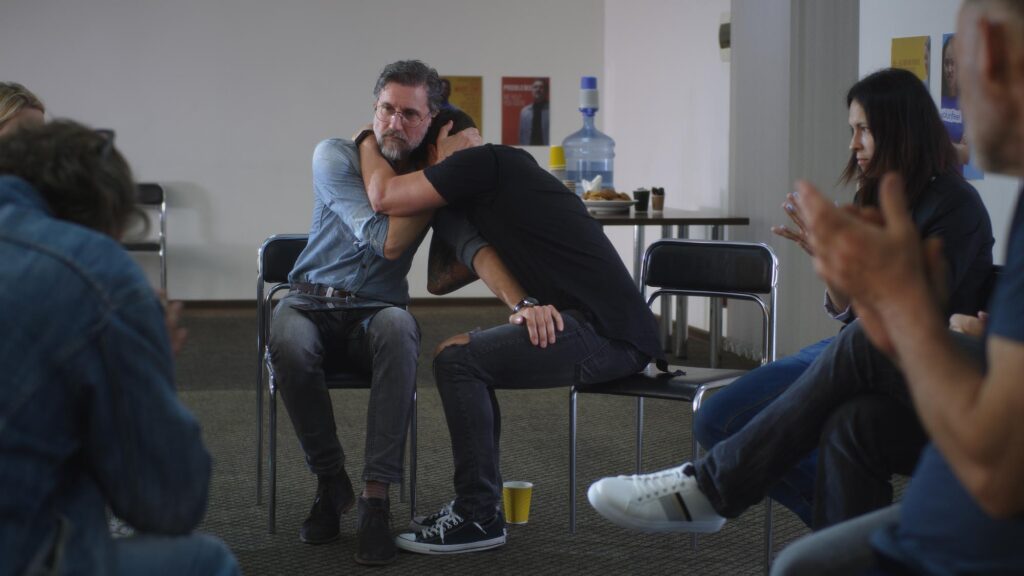
In the middle of chaos, it’s natural to search for the perfect words or the perfect plan. But what matters most right now is simpler and more protective:
- Stabilize safety (yours, your children’s, and anyone else in the home).
- Interrupt the enabling cycle (without abandoning compassion).
- Move toward professional assessment and treatment (even if your partner is ambivalent).
It can help to repeat this to yourself: You are not responsible for their choices. You are responsible for what you allow around you and your family. That is not cold. It is clarity.
Spot the signs (and patterns) that the drug problem is escalating
Many partners “sense” something is wrong long before they can prove it. Trust that instinct. Escalation often shows up in clusters.
Behavioral signs
- Secrecy, hiding phones, disappearing, vague explanations
- Lying, half-truths, defensiveness when asked simple questions
- Mood swings, irritability, sudden depression, or bursts of energy
- Isolation from family routines or longtime friends
- New friend groups you don’t know, or unusual social patterns
- Missing work or school, declining performance, frequent excuses
Physical and health signs
- Changes in sleep (insomnia or sleeping all day)
- Appetite changes and weight shifts
- Track marks, unexplained bruises, frequent infections
- Dilated or pinpoint pupils, slurred speech, unsteady movement
- Withdrawal symptoms such as sweating, shaking, nausea, diarrhea, agitation
- Increased overdose risk (especially with opioids, counterfeit pills, and fentanyl exposure)
Financial red flags
- Missing cash, unexplained withdrawals, or “lost” cards
- Unpaid bills, late rent or mortgage payments, utilities shut off notices
- Sudden debt, payday loans, or borrowing from friends/family
- Selling belongings or pawning items without a clear reason
Legal and safety risks
- Possession charges or other legal conflicts
- Driving impaired or a DUI
- Accidents, workplace incidents, or unsafe behavior at home
The relationship pattern: the cycle that repeats
Many couples get trapped in a loop that looks like this:
Use → conflict → promises → short calm → relapse → escalation
You may hear sincere apologies. You may see real remorse. And still, the pattern returns. That doesn’t mean your partner doesn’t love you. It means the disorder is stronger than intentions without treatment.
Check for abuse first: your safety and your kids’ safety come before the relationship
We need to name this clearly: substance use can increase the risk of abuse, and none of it is acceptable. Love does not require you to endure intimidation, violence, sexual coercion, or fear-based control.
Signs of abuse in substance use relationships
- Threats, intimidation, breaking objects, punching walls
- Controlling money, taking your phone, monitoring your location
- Stalking behaviors or refusing to let you leave a room
- Forced sex or sexual pressure
- Hitting, choking, restraining, blocking exits
Safety planning basics (practical, not dramatic)
If you feel any risk, start a plan quietly:
- Identify a safe room and safe exit (avoid kitchens, garages, rooms with weapons)
- Create a code word with a friend or family member
- Keep copies of documents (IDs, birth certificates, insurance cards) somewhere safe
- Set aside emergency cash if possible
- Keep a packed bag hidden or with someone you trust
If you’re in immediate danger, contact local emergency services. For confidential support in the U.S., you can also contact The National Domestic Violence Hotline:
- Call 1-800-799-SAFE (7233)
- Or visit thehotline.org
If children are involved
Children do not need perfect explanations. They need safety and stability.
- Prioritize a safe caregiver and a stable environment.
- Document unsafe incidents (dates, what happened, who was present).
- Consider consulting a family-law professional if custody risks are emerging.
If you are navigating violence or coercion, couples counseling is not the first step. Safety is.
What not to do: the well-meaning moves that keep the addiction going
When someone you love is spiraling, it’s natural to try to soften consequences. That instinct comes from care. But some common “helpful” actions quietly keep the cycle alive.
Codependency, in plain terms
Codependency isn’t a label to shame you. It’s a pattern where your life shrinks around their use. You become the manager of crises. You measure peace by whether they are stable today. Over time, you lose your own center.
Enabling (and how it differs from compassion)
Enabling often looks like:
- Paying their debts, covering rent they spent on drugs
- Calling in sick for them or making excuses to employers or family
- Lying to protect them from consequences
- Bailing them out repeatedly (financially, legally, emotionally)
Compassion says, “I care about you, and I won’t abandon myself.”
Enabling says, “I’ll absorb the damage so you don’t have to.”
Avoid arguing while they’re intoxicated
Arguments during intoxication rarely lead to insight. They tend to escalate conflict, create trauma, and deepen resentment. If there is any volatility, step away and return when they are sober and you are safe.
Avoid ultimatums you can’t enforce
If you say, “If you use again, I’m gone,” but you cannot leave, you end up feeling powerless and they learn the boundary is flexible. Replace ultimatums with boundaries you will follow through on.
Don’t attempt detox at home when withdrawal can be dangerous
Certain withdrawals can be medically serious. Alcohol withdrawal, and sometimes withdrawal from benzodiazepines (like Xanax or Valium), can be life-threatening. Opioid withdrawal can be intense and risky in its own ways, especially with dehydration, relapse risk, and fentanyl exposure. A medical assessment is the safest next step.
How to talk to your partner about drugs (without triggering a blowup)
The goal of the conversation is not to win. It’s to name reality, offer a path, and set protective limits.
Choose timing carefully
- Talk when they are sober or least impaired
- Avoid late-night confrontations and active conflict moments
- If you fear violence, do not have this conversation alone
Use specific observations, not labels
Instead of “You’re an addict,” try:
- “You missed work twice this week and said you were sick, but I found pills hidden in the bathroom.”
- “Money is missing and the rent is late. I’m not willing to live like this.”
Offer two paths
This is a calm, clear structure:
- Get help now (assessment, detox if needed, treatment planning)
- You take protective steps (separating finances, leaving for the night, involving professionals, limiting access to children, not sharing a home while active use continues)
If your partner denies the problem
Don’t debate whether it’s “that bad.” Stay anchored to behaviors and consequences:
- “You may not agree, but these are the boundaries I’m setting.”
- “I’m not discussing this while you’re high. We can talk tomorrow at 10 a.m.”
When to involve a professional
If there is repeated relapse, high-risk substances, manipulation, or safety concerns, a therapist, interventionist, or treatment team can help you plan the next steps without escalating danger.
Create a “right now” plan for the next 72 hours
When life feels unstable, a short time horizon helps. Focus on what you can do in the next three days.
1) Safety checklist
- Learn basic overdose warning signs (unresponsiveness, slowed or stopped breathing, blue/gray lips, gurgling sounds). If you suspect overdose, call emergency services immediately.
- If there are weapons in the home, consider removing them if you can do so safely.
- Make an intoxicated driving plan:
- Do not get in the car with them.
- Consider taking keys only if it is safe.
- Call a rideshare, friend, or emergency help if someone is at risk.
2) Financial containment
- Separate accounts if needed.
- Change passwords and protect online banking access.
- Freeze or monitor credit if money is disappearing.
- Protect essentials first (housing, utilities, food, childcare).
3) Home boundaries
Examples that are clear and enforceable:
- No drugs in the home.
- No using around children.
- No driving impaired.
- No threats, intimidation, or violence.
State the consequence calmly: “If you come home high, you will not stay here tonight.” Only choose consequences you can follow through on.
4) Documentation basics (for safety and legal protection)
Keep a private record of:
- Dates and descriptions of incidents
- Threats, violence, or property damage
- DUIs, accidents, injuries
- Missing funds and major financial events
5) If they’re willing: schedule assessment now
If your partner is open, schedule a same-week assessment with an addiction treatment provider. Ask directly whether medical detox is recommended based on the substance(s), amount, frequency, and withdrawal history.
Understand what you’re dealing with: common drugs and why they change behavior
Different substances can produce different relationship dynamics, risks, and withdrawal patterns.
Marijuana
Some people experience impairment, slowed motivation, or emotional blunting. Others experience anxiety, panic, or paranoia, which can heighten conflict and mistrust.
Opioids (prescription pain pills, heroin, fentanyl)
Opioids carry a high overdose risk, especially with counterfeit pills and fentanyl exposure. Behavior changes may include nodding off, constipation, secrecy, and withdrawal cycles that drive urgency and desperation. Medical guidance matters here.
Alcohol
Alcohol is normalized in many homes, which can delay treatment. But it can be dangerous, especially with impaired driving, aggression, and withdrawal risks. If alcohol is part of the picture, take it seriously.
Polysubstance use
Mixing substances increases unpredictability and danger. Overdose risk rises, mood becomes more volatile, and it becomes harder to “read” what’s happening day to day.
A dual diagnosis lens
Sometimes substance use is tied to anxiety, depression, trauma, or other mental health concerns. That does not excuse harm, but it does explain why willpower alone rarely works. Treating both together often changes outcomes.
If your friend’s drug use has become dangerous or unmanageable, waiting for them to ‘fix it’ on their own may not be an option. Magnolia Ranch Recovery offers immediate, evidence-based support to break the cycle of addiction. Contact us now to verify insurance and get them the help they need.
Treatment options that actually help (and how to choose the right level of care)
Recovery is most sustainable when care matches severity, risk, and underlying needs.
Levels of care
- Medical detox: supervised withdrawal support when needed
- Inpatient/residential: structured, immersive care in a safe setting
- Partial hospitalization (PHP): intensive day programming with more independence
- Intensive outpatient (IOP): multiple sessions per week while living at home
- Outpatient and aftercare: ongoing therapy, relapse prevention, community supports
When inpatient makes sense
Residential treatment can be especially appropriate when there is:
- Repeated relapse
- A high-risk substance profile (like opioids or polysubstance use)
- An unsafe or triggering home environment
- Co-occurring mental health concerns
- Significant impairment in daily functioning
Evidence-based approaches
Depending on what’s safe and appropriate, effective treatment may include:
- Individual therapy and relapse prevention planning
- Trauma-informed care
- Mental health treatment alongside addiction care
- Medication options when clinically indicated and professionally managed
- Behavioral Couples Therapy (BCT) in carefully selected situations (more below)
How to evaluate programs
Look for:
- Licensed clinicians and medically appropriate services
- Dual diagnosis capability
- Individualized treatment plans
- Clear continuity of care and aftercare planning
- Family involvement and education when it is safe
When couples rehab or couples therapy is (and isn’t) a good idea
Couples work can be powerful, but timing and safety matter.
Couples rehab vs. couples therapy
- A couples rehab program is structured treatment that may include both partners in the recovery process.
- Couples therapy focuses on communication, conflict patterns, and relationship repair. It cannot replace addiction treatment when use is active and severe.
BCT basics
Behavioral Couples Therapy supports sobriety while strengthening relationship skills. It can work well when:
- There is no ongoing abuse or coercion
- Both partners can participate honestly and safely
- The partner with substance use disorder is engaged in recovery
When not to do couples work
Do not pursue couples therapy if there is:
- Domestic violence
- Fear-based control
- Sexual coercion
- Any situation where honesty could trigger retaliation
In those cases, the safer path is individual treatment for your partner and separate support for you. Couples work can be revisited later, once sobriety and stability are established.
Support for you: stop carrying this alone
One of the quiet harms of addiction in the home is isolation. You may be protecting your partner’s reputation, protecting your kids from worry, and protecting yourself from judgment. That loneliness is heavy, and it is not required.
Peer support options
- Al-Anon (for alcohol)
- Nar-Anon (for drugs)
- Recovering Couples Anonymous (when appropriate and safe)
Therapy support
Look for a clinician trained in addiction and family systems. The American Association for Marriage and Family Therapy (AAMFT) directory can be a helpful place to start when you are looking for qualified support.
Additionally, consider exploring family recovery programs that can provide valuable support during this challenging time. These programs promote healing and unity within families affected by addiction.
Build a small “response team”
You do not need a crowd. You need a few steady points of contact:
- One trusted friend or family member
- A therapist or support group
- A treatment provider contact
Self-care as stability
This isn’t bubble baths. It’s baseline functioning:
- Sleep whenever you can
- Eat regularly
- Keep safe routines for children
- Take breaks from crisis conversations
Chronic stress makes it harder to make clear decisions. Stabilizing your body supports your judgment.
Prepare for mixed outcomes
Your partner may be willing, ambivalent, or resistant. Relapse may happen. Your boundaries should protect you regardless of what they choose next.
How addiction affects children and what you can do today
Children often become experts at reading the room. They notice tone shifts, unpredictability, and broken routines, even when adults believe they are hiding it well.
Common impacts on kids
- Anxiety and hypervigilance
- School issues and trouble concentrating
- Role reversal (becoming “the responsible one”)
- Shame, secrecy, and fear of bringing friends home
What kids need most
- Safety and consistency
- Age-appropriate honesty (without oversharing)
- A sober, reliable caregiver
Reduce exposure
- No using in the home
- No impaired caregiving
- Supervised contact if necessary
Practical steps
- Talk to a pediatrician or school counselor if you see changes in behavior
- Consider child therapy when appropriate
- If separation becomes necessary, keep the focus on stability and safety, and consult legal counsel about custody and documentation
Legal and crisis options if your partner refuses help or becomes dangerous
You are allowed to treat danger like danger.
- If there’s impaired driving, do not get in the car. Call for help. If others are at risk, consider notifying authorities.
- If threats or assault occur, consider protective steps such as protective orders, police reports, and medical documentation.
- Involuntary commitment laws vary by state and typically require imminent danger to self or others. If you are considering this, consult local legal and clinical guidance.
If arrests happen, treatment can still be pursued. Safety planning and treatment planning often need to run side by side.
Keep your focus: your role is safety and boundaries, not policing or rescuing.
Our approach at Magnolia Ranch Recovery: private, structured, dual-diagnosis care
When you reach out to us at Magnolia Ranch Recovery, we understand you are not just describing symptoms. You are describing a home that has been stretched thin.
We offer a private, secluded inpatient setting in Tennessee, designed to support calm, safety, and focus. Many people who arrive here have lived in loud inner weather for a long time. Our environment is intentionally serene, because healing often begins when the nervous system can finally exhale.
We treat addiction through a dual diagnosis lens, which means we address substance use alongside underlying core issues such as trauma, anxiety, depression, and other mental health concerns. Recovery is not only about stopping. It is about rebuilding a life that feels worth staying present for.
Our care includes:
- A low client-to-therapist ratio and individualized planning
- Diverse therapies grounded in clinical best practices
- Medical detox when needed
- Residential treatment with structured support
- Step-down and robust aftercare planning, because the return home matters as much as the time in treatment
When it is safe and appropriate, we also involve loved ones through education, support, and coordination to help stabilize the home environment and support lasting change.
Next steps: get support today (even if your partner isn’t ready)
You do not have to wait for rock bottom. You do not have to gather perfect evidence. And you do not have to do this alone.
If calling feels hard, start with a simple message:
- The substance (or substances) you believe are involved
- The main safety concern (overdose risk, violence, driving, kids, withdrawal)
- What you’re hoping for (assessment, detox guidance, inpatient options, aftercare planning)
Then let us help you sort the rest.
Reach out to Magnolia Ranch Recovery today for a confidential conversation and to schedule a consultation. We will help you think clearly about safety, detox needs, treatment options, and the next right step for your partner and your family.
Frequently Asked Questions
How do I know if my partner’s drug use is “bad enough” to need treatment?
If their use is causing harm or risk in health, safety, parenting, finances, work, or trust, an assessment is appropriate. You don’t need to wait for a catastrophic event to ask for professional help.
Should I confront my partner with evidence (photos, messages, drug tests)?
Sometimes evidence escalates defensiveness or anger. If you fear volatility, prioritize safety and professional guidance. Focus on observable behaviors and boundaries rather than proving a case.
What if my partner refuses help?
You can still take protective steps: set boundaries, separate finances, reduce children’s exposure, document incidents, and get your own support. Treatment often begins after boundaries change the environment around the addiction.
Is it safe for my partner to detox at home?
Detox can be medically risky depending on the substance and severity. Alcohol and benzodiazepine withdrawal can be life-threatening. Opioid withdrawal can be intense and relapse-prone. A professional assessment is the safest choice.
Can couples therapy fix this?
Couples therapy can help when there is safety, honesty, and stable recovery. It is not recommended when there is active abuse, intimidation, coercion, or ongoing high-risk use without individual treatment.
What should I do if I suspect an overdose?
Call 911 or local emergency services immediately. If you have naloxone available (for suspected opioid overdose), administer it according to instructions while awaiting help. Do not delay emergency care.
How can Magnolia Ranch Recovery help if my partner is unsure about treatment?
We can talk through what you’re seeing, help you understand levels of care, discuss detox needs, and outline realistic next steps. Even an initial consultation can help you move from panic to a plan.
FAQs (Frequently Asked Questions)

What are the immediate steps to take when my partner has a drug problem?
First, acknowledge your feelings of fear, anger, guilt, and confusion as common in substance use relationships. Prioritize immediate safety by calling 911 if there is imminent danger such as overdose or violence. Set clear boundaries to protect yourself and others, avoid trying to control their drug use, and seek professional help promptly.
How can I recognize if my partner’s drug problem is escalating?
Look for behavioral signs like secrecy, mood swings, isolation, and missing work; physical signs such as withdrawal symptoms and track marks; financial red flags including missing money or unexplained debts; and legal issues like DUI or possession charges. Also observe the cycle of conflict in the relationship involving use, conflict, promises, relapse, and escalation.
What should I do if there is abuse involved in my partner’s substance use?
Your safety and that of your children come first. Recognize signs of verbal, physical, or sexual abuse such as intimidation, threats, controlling behaviors, or violence. Develop a safety plan with safe exits, code words with trusted contacts, and emergency resources. Contact local emergency services immediately if in danger and reach out to the National Domestic Violence Hotline for confidential support.
How can I avoid enabling my partner’s addiction while offering support?
Understand that enabling behaviors include paying their debts, lying for them, or bailing them out—these actions perpetuate addiction rather than help. Focus on setting firm boundaries you can enforce instead of ultimatums you cannot keep. Avoid arguing during intoxication as it fuels conflict. Encourage professional medical detox when necessary rather than attempting at-home detox.
What is the best way to talk to my partner about their drug problem without causing a blowup?
Choose a calm moment when your partner is sober to discuss your concerns using specific observations about behaviors (e.g., missed work) instead of labels like ‘addict.’ Use calm ‘I’ statements explaining how their drug use impacts trust, safety, finances, and family. Offer clear options: seeking help now or facing protective steps from you. Repeat boundaries consistently without engaging in debates if denial occurs.
What treatment options are effective for addiction recovery and how do I choose the right one?
Treatment options include medical detoxification (especially important for alcohol or opioid withdrawal), inpatient rehab programs providing a continuum of care, and Behavioral Couples Therapy (BCT) which supports relationship dynamics during recovery. Selecting the right level depends on severity of substance use disorder, presence of dual diagnosis (mental health issues), and individual needs assessed by addiction professionals.
Loving someone with an addiction is exhausting, but you do not have to carry that weight alone. Our compassionate team in Pulaski is here to help you understand your options and guide your partner toward healing. Contact us today to start a confidential conversation about the next steps.