


To the outside world, high-functioning professionals seem to have it completely under control. They lead corporate teams, close complex business deals, hit demanding project metrics, and sustain elite performance under pressure. Because their professional reputation remains untarnished, their income is steady, and their titles are secure, society assumes they are thriving.
Behind closed doors, however, a hidden crisis is unfolding. Many high achievers are running on psychological fumes—silently utilizing alcohol, prescription medications, or stimulants as a desperate survival mechanism to cope with severe executive burnout, chronic anxiety, or unmanaged trauma.
When a person’s life looks successful on paper, a dangerous misconception often takes root: the belief that they do not truly have a problem, or that they can resolve their hidden dependency through sheer willpower. If you find yourself asking whether residential rehab can help high-functioning professionals, the answer is a definitive yes. In fact, a specialized, immersive residential environment is often the only mechanism capable of breaking the unique, self-reinforcing cycle of professional self-medication.
The Mask of Success: What High-Functioning Addiction Looks Like

Popular culture frequently relies on a worn-out archetype of addiction—depicting a person who has lost their job, destroyed their finances, and experienced an immediate personal collapse. While that standard reality exists, it completely misses the hidden survival patterns of the high-functioning professional.
High-functioning addiction does not look like a sudden rock-bottom. Instead, it manifests as a calculated balancing act, defined by specific behavioral and physical patterns:
- Forced Decompression: Relying on alcohol, sedatives, or prescription medications every single night to forcibly down-regulate a hyper-active nervous system or quiet racing work thoughts before bed.
- Artificial Productivity: Utilizing stimulants or prescription medication misuse to sustain focus and energy during intense, twelve-hour workdays.
- Calculated Concealment: Keeping the true volume of consumption hidden from business partners, colleagues, and immediate family members through compartmentalization.
- Internal Panic: Experiencing paralyzing physical anxiety, severe irritability, muscle tension, or sudden panic during the sober daylight hours between uses.
Individuals caught in this loop are effectively using chemicals to manage their baseline function. They are not using to get high; they are using to survive the immense pressure of their own success. Over time, this chronic stress depletes the brain’s natural dopamine and cortisol regulation, leaving the individual increasingly dependent on substances just to feel normal.
Unique Barriers to Care: Why Professionals Delay Seeking Help
High achievers experience distinct psychological and social barriers that cause them to delay entering behavioral healthcare for far longer than the general population. Understanding these internal roadblocks is vital to overcoming them.
The Fear of Professional Reputational Fallout
The primary reason professionals avoid seeking help is a profound fear of exposure. They worry that stepping away into a rehab program will trigger industry gossip, alienate high-value clients, damage their professional standing, or result in permanent career stagnation. They view their struggle as a personal liability that must be guarded at all costs.
The “Problem-Solver” Mindset
Executives and high-performing professionals are structurally conditioned to fix complex problems. They are accustomed to analyzing data, creating strategies, and overcoming obstacles through sheer intelligence and drive. When faced with a substance use disorder, they try to apply this exact same mindset—attempting to manage, ration, or restrict their use through rigid self-made rules. Admitting that they have lost control over a substance feels like a fundamental admission of personal failure.
Misjudging the Severity of the Crisis
Because a professional’s external life remains intact, they use their accomplishments to rationalize their behavior. They tell themselves, “I can’t be an alcoholic because I just secured a major promotion,” or “My prescription drug use isn’t an issue because my bank accounts are full.” They mistake external stability for internal health, ignoring the severe physical and emotional toll the addiction is taking on their body and mind.
Why Outpatient Therapy or White-Knuckling Is Not Enough
Many high-functioning individuals attempt to address their dependency by scheduling an occasional outpatient talk therapy session or trying to clean up their system during a long weekend. While well-intentioned, these superficial approaches rarely produce long-term success for deep-seated high-functioning addiction.
Outpatient care leaves the professional entirely embedded in the exact same environment, routine, and high-stress meetings that trigger their automatic compulsion to use. At the end of an exhausting ten-hour workday, the brain’s executive functioning centers are entirely depleted, making it nearly impossible to resist familiar, deeply grooved chemical habits.
True, sustainable recovery requires complete environmental removal. An immersive residential rehab program provides up to 45 days of comprehensive clinical care, creating the necessary physical and psychological buffer to safely disrupt the addiction cycle. This prolonged separation allows the brain’s altered neural pathways and stress-response systems to reset under qualified medical supervision, giving the individual the cognitive clarity needed to actively engage in deep psychological healing.
Furthermore, high-functioning addiction rarely exists in a vacuum. It is almost always a symptom of a deeper, unaddressed issue. Effective recovery requires an integrated, dual diagnosis approach that actively treats co-occurring conditions like generalized anxiety, clinical depression, complex trauma, and severe systemic burnout simultaneously from day one.
The Magnolia Ranch Recovery Distinction: A Secluded Southern Sanctuary

At Magnolia Ranch Recovery, we understand that high-functioning professionals require an elevated, highly intentional standard of care that respects their intelligence, preserves their absolute privacy, and directly addresses the unique pressures of leadership.
Comfortable Seclusion on a Scenic 37-Acre Estate
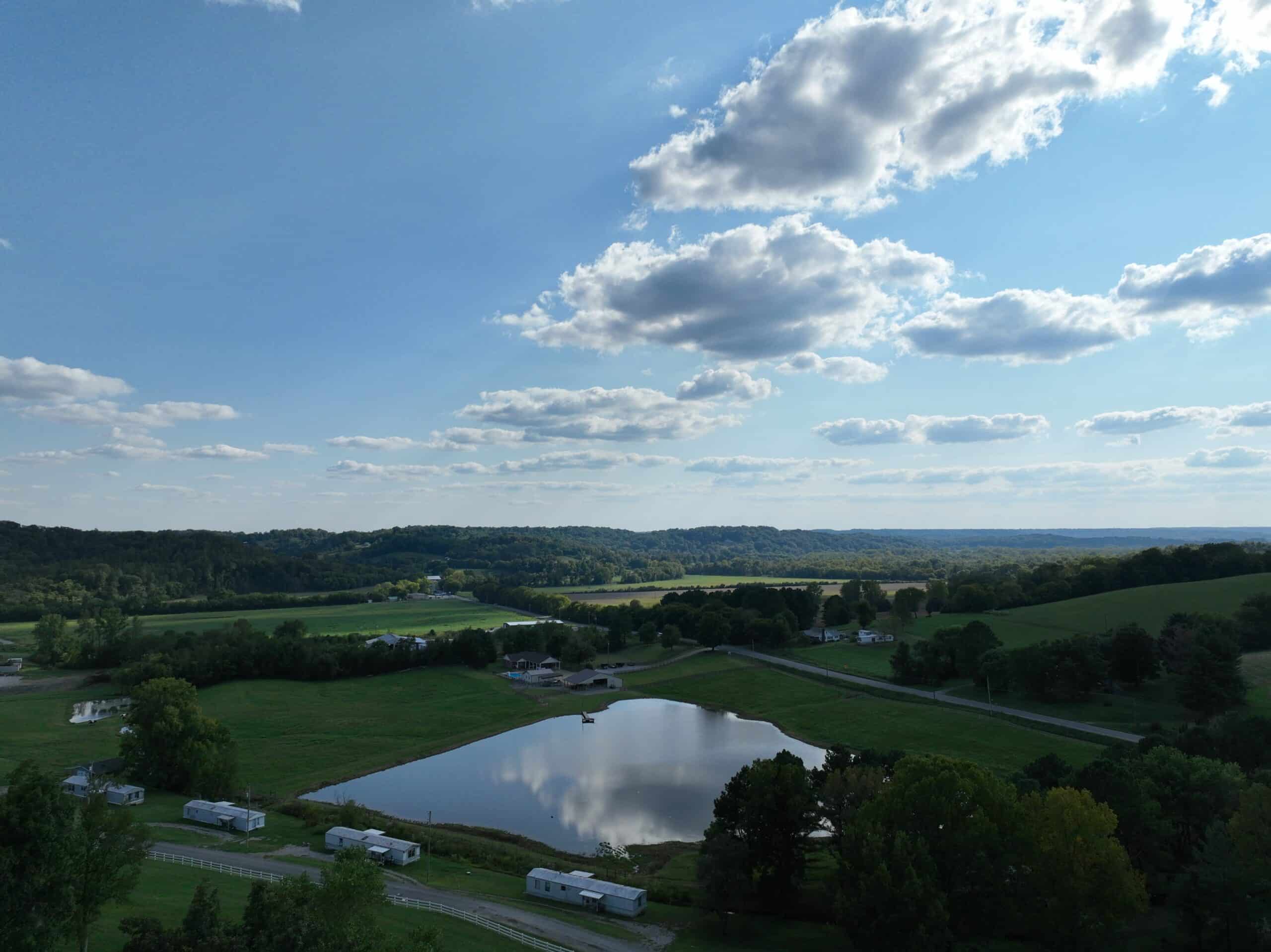
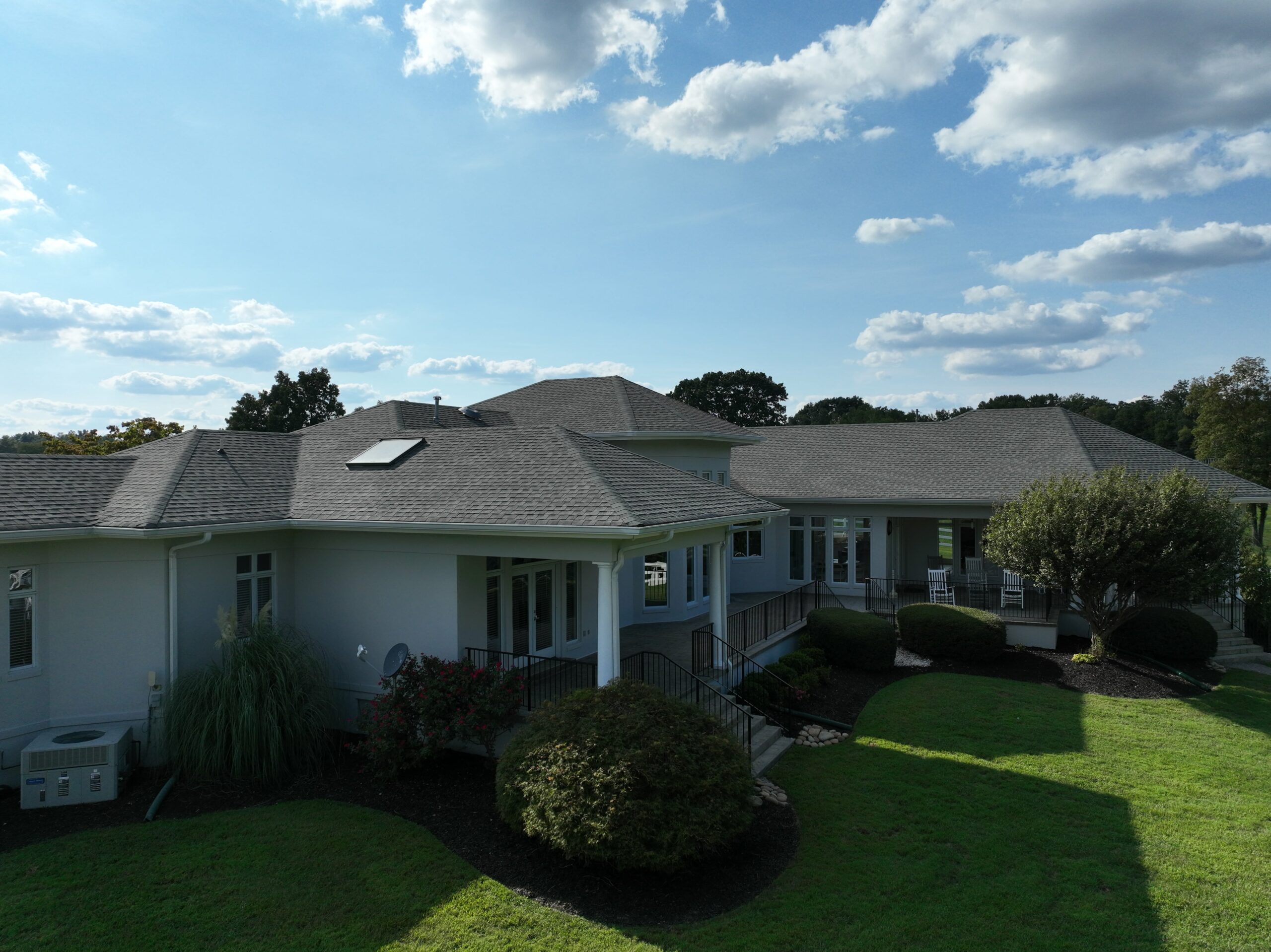
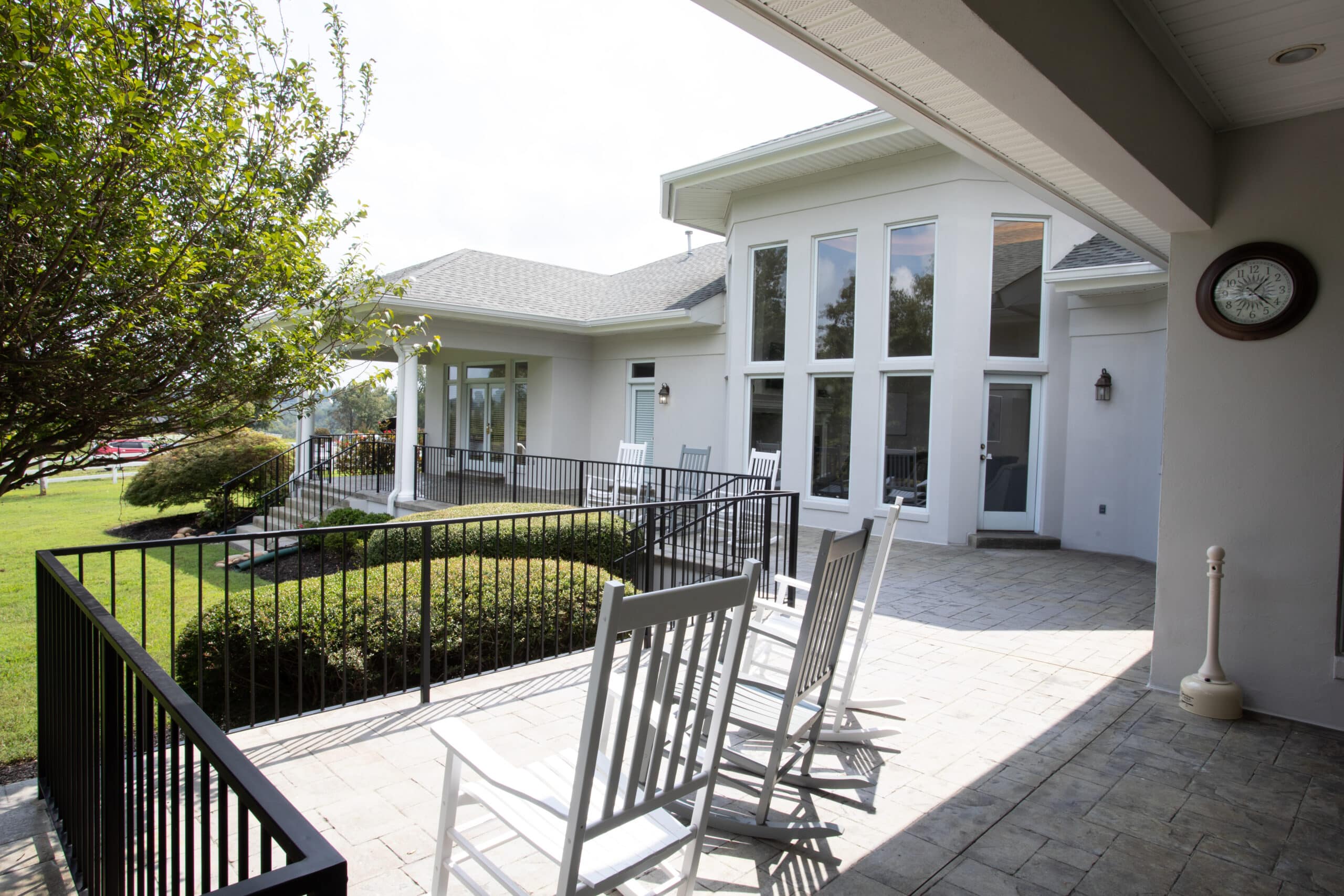
Located in the quiet, rural landscape of Pulaski, Tennessee—just 75 miles south of Nashville—our historic Southern mansion estate serves as an intimate, home-like sanctuary for healing. Featuring floor-to-ceiling windows and stunning, panoramic views of rolling hills and dense green trees, our campus guarantees total privacy and complete physical seclusion away from everyday professional distractions. It is an environment designed to help high-achieving individuals immediately lower their defenses, drop their public masks, and focus entirely on their personal well-being.
Individualized Care and Low Counselor-to-Patient Ratios
We purposefully limit our census to maintain a low counselor-to-patient ratio. This deliberate choice ensures that every resident receives highly personalized attention, featuring significantly more one-on-one therapy sessions than mass-capacity institutional facilities. Our licensed clinical psychologists do not use generic, cookie-cutter templates. Instead, they co-create customized recovery strategies that directly account for your specific occupational demands, personality traits, and long-term professional lifestyle.
Integrated Dual Diagnosis and Advanced Psychotherapy
Our clinical team utilizes an integrated suite of research-backed cognitive and somatic modalities to heal the whole person—mind, body, and spirit. Your individualized daily treatment track will incorporate:
- Cognitive Behavioral Therapy (CBT): To help you isolate, challenge, and permanently restructure the destructive thought patterns and behavioral habits that drive professional self-medication.
- Dialectical Behavior Therapy (DBT): Focused heavily on building practical, real-world skills for healthy emotional regulation, distress tolerance, and building firm boundaries.
- Trauma-Informed Therapies and EMDR: To safely identify and process past traumatic events, childhood emotional injuries, or deep-seated performance anxieties without overwhelming your nervous system.
Active Equine-Assisted Therapy
A cornerstone of the Magnolia Ranch experience is our specialized horse-assisted equine therapy program. High-functioning professionals are experts at intellectually managing talk therapy—often saying exactly what they think a counselor wants to hear while keeping their emotional guard up. Horses are highly intuitive animals that mirror human energy and body language in real time. Working with our on-site stabled horses serves as a powerful experiential breakthrough tool, helping residents lower physical defenses, regulate subconscious stress responses, and rebuild authentic internal trust.
Your Recovery Is an Investment in Your Future
Stepping away from your career to enter residential rehab is not a sign of weakness; it is a profound act of strategic leadership. It is an essential investment in your long-term health, your family, and your future professional capabilities. Unaddressed chemical dependency will eventually erode your physical health, fracture your personal relationships, and compromise your professional decision-making. Taking action now protects everything you have worked so hard to build.
You do not have to carry the exhausting weight of a hidden dependency entirely on your own, and you do not have to watch your life erode from the inside out. True healing begins when you choose to stop managing the symptoms and instead choose to actively heal the root cause.
If you are a professional ready to reclaim your health, your identity, and your peace of mind, our specialized admissions team is here to support you with absolute discretion guaranteed. Contact Magnolia Ranch Recovery today to begin a completely confidential consultation, or explore your private insurance coverage options through our secure online verification portal today.