


Watching someone you love slowly disappear behind a veil of alcohol use is one of the most agonizing experiences a person can endure. In the beautiful landscape of Tennessee, from the rolling hills of Middle Tennessee to the vibrant streets of Nashville, social drinking is often deeply embedded in the culture of hospitality and celebration. However, for many individuals, what begins as a social lubricant or a way to unwind after a long day in the Southern heat gradually transforms into a clinical dependency that erodes health, relationships, and professional stability. At Magnolia Ranch Recovery, we understand that families often find themselves in a painful “waiting game,” wondering if their loved one’s drinking has truly reached the point of needing professional intervention. The transition from heavy drinking to a life-threatening addiction is often subtle, but the warning signs are always there if you know where to look. This comprehensive guide explores the seven critical red flags that indicate it is time to seek alcohol rehab in Tennessee immediately.
The decision to intervene is rarely easy, especially when a loved one is “high-functioning”—maintaining their job and social standing while struggling in private. But waiting for a “rock bottom” can be a dangerous, and sometimes fatal, strategy. Alcohol use disorder (AUD) is a progressive disease, meaning it only gets worse without intervention. By recognizing these signs early, you can change the trajectory of your loved one’s life and help them find their path back to clarity and purpose at a sanctuary like Magnolia Ranch Recovery.
1. Increased Tolerance and the Escalation of Consumption

One of the primary biological indicators of a developing alcohol addiction is neuroadaptation, more commonly known as tolerance. When an individual consumes alcohol regularly, the brain attempts to maintain balance by adjusting its chemistry to compensate for the sedative effects of the substance. Over time, the person requires significantly more alcohol to achieve the same “buzz” or level of relaxation they once felt with just one or two drinks. If you notice your loved one consistently drinking much more than their peers, or if they seem surprisingly “sober” despite consuming a high volume of alcohol, their body has adapted to a high level of toxic intake. This escalation is a clear sign that the brain’s reward system has been hijacked, and the individual is no longer in full control of their consumption patterns.
2. Repeated Failed Attempts to Cut Back or Stop
Many individuals struggling with alcohol use recognize, on some level, that their drinking has become a problem. To regain a sense of control, they may implement “rules” for themselves—such as only drinking on weekends, never drinking liquor, or stopping after two glasses of wine. However, a hallmark of addiction is the inability to stick to these self-imposed limits. If you have witnessed your loved one make sincere promises to quit or moderate their drinking, only to break those promises days or even hours later, they are likely experiencing the “loss of control” that defines clinical alcoholism. This failure to moderate is not a lack of willpower; it is a symptom of a physiological dependency that requires the structured support of a professional alcohol rehab environment to overcome.
3. The Appearance of Physical Withdrawal Symptoms
When the body becomes accustomed to the constant presence of alcohol, it reacts violently when the substance is removed. This is known as withdrawal, and it is perhaps the most dangerous sign of alcohol addiction. If your loved one experiences tremors (the “shakes”), excessive sweating, nausea, anxiety, or intense irritability when they haven’t had a drink for several hours or a day, they have moved past psychological habit into physical dependency. In severe cases, alcohol withdrawal can lead to life-threatening conditions like Delirium Tremens (DTs) or seizures. Because of these risks, individuals experiencing physical withdrawal should never attempt to quit “cold turkey” at home. At Magnolia Ranch Recovery, we emphasize the importance of a medically supervised detox to ensure that this critical first stage of recovery is handled with the highest level of safety and clinical oversight.
4. Neglecting Major Life Responsibilities and Roles
As an addiction takes center stage, everything else—including family, career, and personal health—begins to take a backseat. You may notice your loved one frequently missing work due to “illness” (often a hidden hangover), neglecting their appearance, or failing to show up for important family events and children’s activities. In the professional world of Middle Tennessee, this often manifests as a decline in performance that the individual tries to mask with excuses or by working late hours to catch up. When a person begins to prioritize the bottle over the people and responsibilities they once valued, it is a clear indicator that the addiction has become their primary focus. This erosion of life roles is one of the most painful aspects for families, as the loved one they once knew seems to become a stranger.
5. Secretive Behavior and Increasing Social Isolation
Shame and denial are the twin engines of addiction. To avoid judgment or “intervention” from family members, an individual with alcohol use disorder will often begin drinking in secret. You might find hidden bottles in the car, garage, or laundry room, or notice your loved one “pre-gaming” before social events to ensure they have enough of a buzz. Furthermore, many individuals will start to isolate themselves, choosing to drink alone rather than with others where their consumption might be monitored. If your loved one is withdrawing from social circles they used to enjoy—or if they only want to spend time with other heavy drinkers—the addiction is narrowing their world. This isolation makes it easier for the disease to thrive, removed from the accountability of a healthy social environment.
Don’t wait for a crisis to become a tragedy. Reach out to Magnolia Ranch Recovery now to learn about our personalized alcohol rehab programs.
6. Loss of Interest in Previous Passions and Hobbies
A healthy mind seeks out a variety of interests—hiking the Tennessee trails, engaging in sports, pursuing creative projects, or enjoying family dinners. However, alcohol addiction causes a phenomenon called “anhedonia,” where the individual loses the ability to feel pleasure from anything other than the substance. If your loved one has dropped hobbies they once loved and no longer shows interest in activities that used to bring them joy, the alcohol has successfully rewired their brain’s reward circuit. Life becomes a “monochrome” experience where the only “color” is provided by the next drink. This loss of passion is a critical warning sign that the person’s spiritual and emotional well-being is being hollowed out by the addiction.
7. Continued Drinking Despite Negative Consequences
The most defining characteristic of a substance use disorder is the continuation of use even when it causes clear and significant harm. This might include persistent health problems (such as liver issues or digestive distress), legal trouble (like a DUI), financial instability, or the literal crumbling of a marriage or relationship. If a person sees the wreckage their drinking is causing and still cannot stop, the addiction has overridden their survival instinct. In these cases, the person is often paralyzed by the disease; they see the consequences but feel powerless to change. At Magnolia Ranch Recovery, we specialize in helping individuals face these consequences with a sense of hope rather than shame, providing the clinical tools to rebuild what has been broken.
Why Magnolia Ranch Recovery is the Right Choice in Tennessee
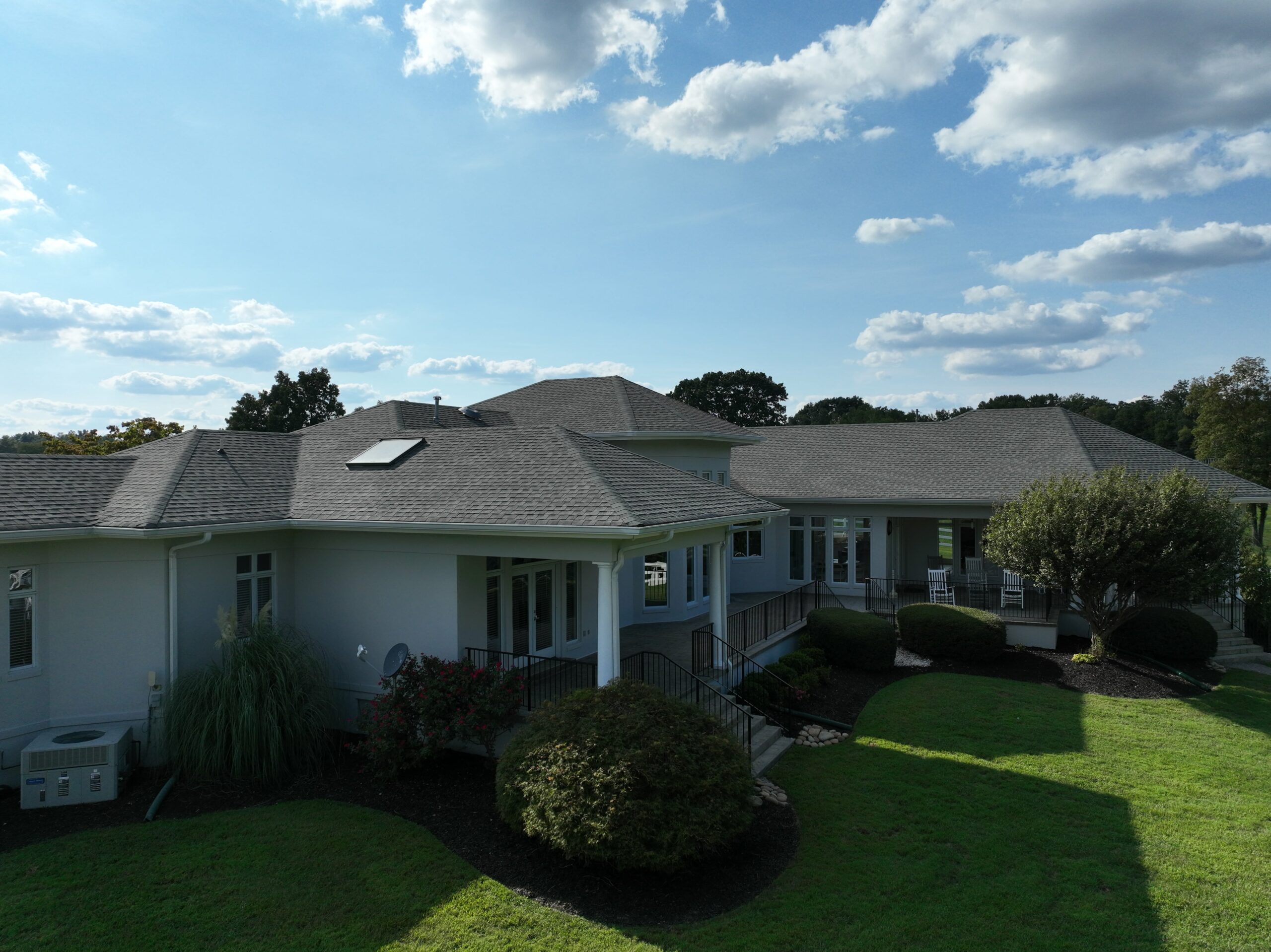
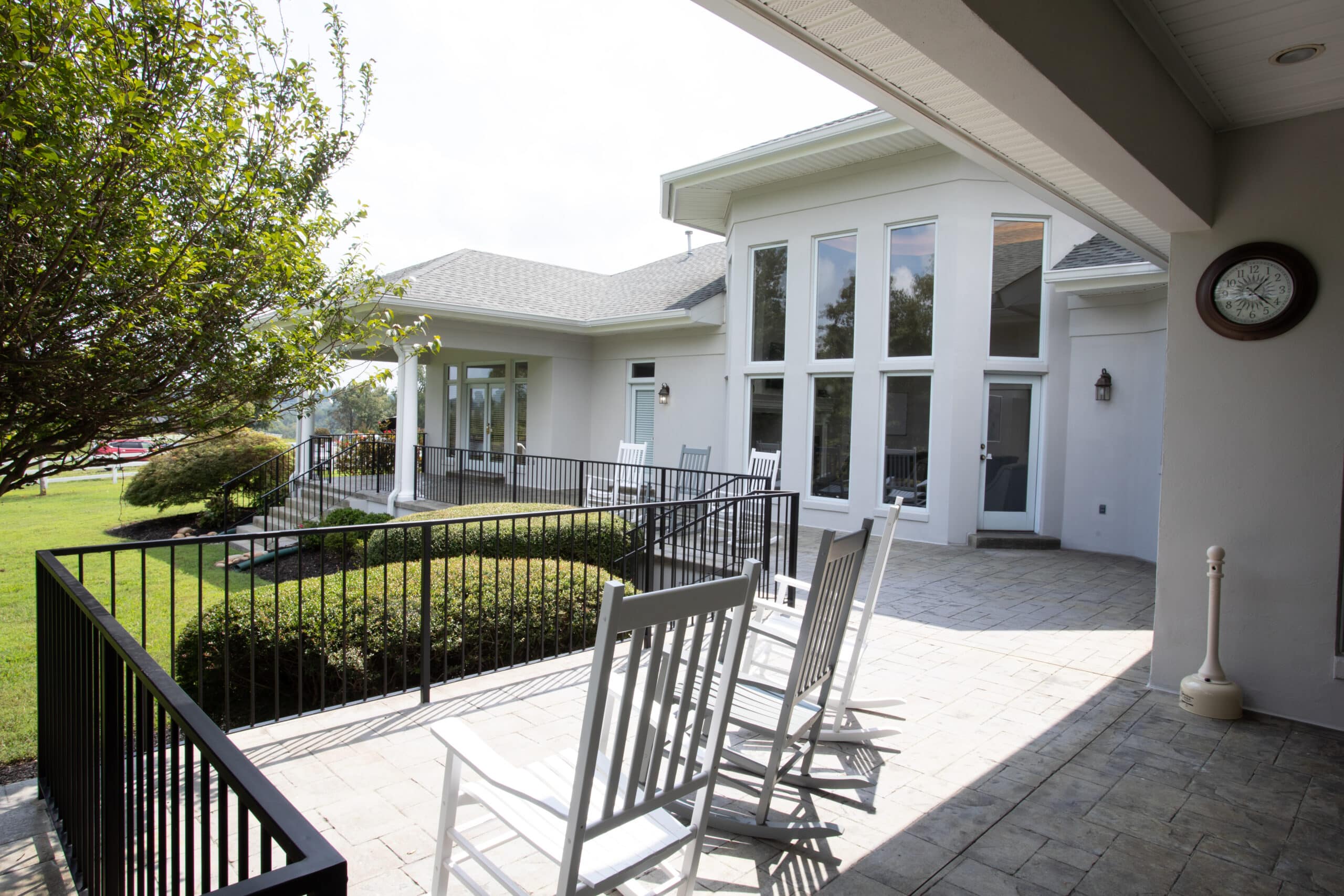
Located in the serene landscapes of Tennessee, Magnolia Ranch Recovery offers a sanctuary for those ready to break free from the cycle of alcohol addiction. We believe that true recovery requires more than just stopping the use of alcohol; it requires a total restoration of the mind, body, and spirit. Our Tennessee-based facility provides a quiet, farm-like setting that allows our clients to disconnect from the stressors of daily life and reconnect with themselves.
Our approach is rooted in individualized clinical care. We recognize that no two stories of addiction are the same, which is why we develop customized treatment plans for every person who walks through our doors. We are particularly focused on Dual Diagnosis—addressing the underlying anxiety, depression, or trauma that so often fuels the need for alcohol. By treating the “why” behind the drinking, we provide our clients with a much higher chance of long-term success. With a small patient-to-staff ratio, we ensure that your loved one is never just a number; they are a valued member of our recovery community who receives the personal attention and accountability they deserve.
How to Start the Conversation with Your Loved One

Approaching a loved one about their need for alcohol rehab is a delicate task. It requires a balance of firm boundaries and radical compassion. Avoid starting the conversation when the person is intoxicated, as this often leads to defensiveness and conflict. Instead, choose a quiet, sober moment to express your concerns using “I” statements, such as, “I feel scared when I see how much you are drinking because I value your life and our relationship.”
Remember that you are not the “bad guy” for suggesting alcohol rehab; you are the one holding out a lifeline. If the conversation becomes stalled by denial, it may be helpful to consult with our Tennessee admissions team. We can provide guidance on how to organize a professional intervention or help you understand the logistics of getting your loved one admitted to our program. You don’t have to carry this burden alone. We are here to support not just the individual in recovery, but the entire family system.
Frequently Asked Questions
How long does alcohol rehab at Magnolia Ranch Recovery typically last? The duration of our programs varies based on the individual’s clinical needs. Most people stay with us for 30, 60, or 90 days. We believe in providing enough time for the brain to stabilize and for the client to build a robust “toolbox” of coping skills before returning to their daily lives.
Do you offer medical detox for alcohol in Tennessee? Yes. We prioritize safety above all else. Because alcohol withdrawal can be medically risky, we coordinate supervised medical detox to ensure that clients are stabilized in a safe, clinical environment before transitioning into the therapeutic phase of our program.
What is the difference between inpatient and outpatient alcohol rehab? Inpatient rehab involves living at our Tennessee facility 24/7, which provides an immersive, trigger-free environment for deep healing. Outpatient alcohol rehab allows the client to live at home while attending scheduled therapy sessions. Inpatient care is generally recommended for those with a significant physical dependency or a history of relapse.
Can I visit my loved one while they are in alcohol rehab at Magnolia Ranch? We believe family involvement is essential for lasting recovery. We offer structured family programming and visitation opportunities that are designed to help rebuild trust and establish healthy communication patterns within the family unit.
Does insurance cover alcohol rehab in Tennessee? Most major insurance providers cover alcohol addiction treatment as part of their behavioral health services. Our admissions team provides a complimentary verification of benefits to help you understand exactly what your plan covers.
What happens after my loved one finishes the program? Recovery is a lifelong journey. Before discharge, we work with each client to create a comprehensive aftercare plan. This may include connections to local Tennessee support groups, continuing outpatient therapy, or transitional living arrangements to ensure they have the support they need to maintain their sobriety.
Why is a “ranch” setting better for alcohol recovery? The natural, tranquil environment of a ranch setting like Magnolia Ranch Recovery helps to lower the body’s cortisol levels and reduce the “noise” of modern life. This peaceful backdrop makes it easier for clients to engage in self-reflection and therapeutic work without the distractions of an urban environment.
If you are ready to help your loved one find their path back to clarity, contact our Tennessee admissions team today for a confidential assessment.