


Loving an alcoholic veteran who is struggling with addiction can feel like living in two worlds at once. In one, you see their strength, loyalty, and the parts of them that still show up for family, work, or community. In the other, you watch alcohol slowly take up more space, changing moods, routines, and trust. You may be carrying fear and anger, grief and hope, often all in the same day.
If you’re asking, “What do I do?” you’re already doing something important. You’re telling the truth about what’s happening. And you’re looking for a way forward that protects both your spouse and your family.
At Magnolia Ranch Recovery, we understand that addiction rarely exists in isolation. For many veterans, alcohol misuse is tangled with stress injuries, trauma, chronic pain, grief, sleep disruption, anxiety, depression, or moral injury. Recovery becomes more sustainable when we treat the whole person, not just the drinking. That is why we approach care through a dual diagnosis lens in a private and serene setting in Tennessee where healing can unfold with dignity and steadiness.
When Your Spouse is a Veteran, Alcohol Can Become a Survival Strategy

Alcohol can start as a way to “take the edge off.” Over time, it can become the main coping tool for things your spouse may not have words for or may feel they should be able to handle alone.
Some common patterns we hear from spouses of veterans include:
- Drinking to fall asleep or stop nightmares
- Drinking to numb anger, guilt, or shame
- Drinking to feel normal in social situations
- Drinking to quiet hypervigilance, panic, or intrusive memories
- Drinking to manage pain when life feels too loud
None of this excuses harmful behavior. But it can help you understand why “just stop” rarely works and why compassionate structured treatment is often necessary. If you’re considering seeking help for your loved one but don’t know where to start, reaching out for professional assistance could be an important step forward. You can contact us at Magnolia Ranch Recovery for more information on how we can assist in this journey towards recovery.
First, Make Sure You’re Safe (Physically and Emotionally)
If there is any violence, intimidation, threats, reckless behavior, or you feel unsafe in your home, safety comes first.
- If you are in immediate danger, call 911.
- If there are weapons in the home and drinking escalates risk, consider a safety plan and secure storage with local guidance.
- If children are present, prioritize stability, supervision, and safe exits.
Even when there is no physical violence, alcohol misuse can create emotional volatility, financial instability, and chronic stress. Your nervous system matters too. You are not “overreacting” if you feel worn down.
Learn the Difference Between Support and Enabling
Many spouses do everything they can to keep life together. You may be covering responsibilities, smoothing over conflicts, calling in sick for them, managing consequences, or trying to control the drinking so it does not get worse.
This is an understandable response to chaos. But it can unintentionally shield the addiction from reality.
Support tends to sound like:
- “I love you, and I will help you get into treatment.”
- “I won’t argue with you when you’ve been drinking.”
- “I’m willing to go to counseling with you if you’re willing to get help.”
Enabling often looks like:
- Cleaning up messes repeatedly with no change in expectations
- Lying to family, employers, or friends to protect them
- Giving money that will likely fund alcohol
- Absorbing consequences so they do not have to face them
You can be compassionate without carrying what isn’t yours to carry.
Watch for Signs That It’s More Than “Heavy Drinking”
Veteran spouses often tell us they struggled to name the problem because their partner still seemed functional in some areas. Alcohol use disorder does not always look like rock bottom.
Some signs it may be time to seek professional help include:
- Needing more alcohol to feel the same effects
- Drinking in the morning, alone, or in secret
- Irritability, depression, or anxiety that worsens with alcohol
- Memory gaps, blackouts, or risky behavior
- Withdrawal symptoms when not drinking (shaking, sweating, nausea, agitation)
- Promises to cut back that do not last
- DUI, work issues, relationship breakdown, isolation
- Mixing alcohol with medications
If withdrawal may be a concern, do not attempt a sudden stop without medical support. Alcohol withdrawal can be dangerous.
Talk to Your Spouse When They Are Sober, and Keep It Simple

You do not need the perfect speech. You need a grounded moment, clear boundaries, and a plan.
Consider a tone that is steady, not confrontational:
- “I’m scared about what alcohol is doing to you and to us.”
- “I can’t keep living like this. I need change.”
- “I’m not asking you to do this alone. I’m asking you to get help.”
- “I will support treatment. I will not support continued drinking.”
Avoid debating whether they “really have a problem.” Addiction will negotiate endlessly. Your job is to speak to reality and offer a next step.
Set Boundaries You Can Actually Keep
Boundaries are not punishments. They are the lines that protect your health, your home, and your future.
Healthy boundaries are:
- Specific: “If you come home intoxicated, I will sleep in a separate space.”
- Action-based: “I won’t ride in the car with you if you’ve been drinking.”
- Consistent: You follow through even when it is uncomfortable.
- Centered on you: What you will do, not what you will force them to do.
If you are unsure what boundaries are reasonable, that is a sign you deserve support too.
Consider an Assessment, Not an Argument
Many veterans have a complicated relationship with help. They may fear being judged, losing privacy, being misunderstood, or being treated like a diagnosis instead of a person.
One gentle, effective shift is moving from confrontation to assessment:
- “Will you talk with a professional who understands addiction and mental health, just to evaluate what’s going on?”
- “Let’s get a medical opinion about detox safety.”
- “Let’s explore options so we can make a real plan.”
At Magnolia Ranch Recovery, we treat addiction through a dual diagnosis lens because underlying issues are often driving the drinking. When those root concerns are addressed with skill and respect, many veterans experience relief they did not think was possible.
Why Dual Diagnosis Matters for Veterans
Veterans may carry experiences that show up as:
- PTSD symptoms or trauma responses
- Depression, anxiety, or panic
- Sleep disorders and nightmares
- Chronic pain and injury-related limitations
- Moral injury, grief, or loss of identity after service
- Difficulty reconnecting with family life and purpose
Alcohol can become the shortcut for coping. Dual diagnosis treatment helps your spouse build real coping skills, emotional regulation, and stability without relying on alcohol.
Our approach is designed to go deeper than symptom management. We focus on core issues and the whole person, because long-term recovery grows from healing, not simply abstinence.
What Inpatient Treatment Can Offer When Home Has Become Unstable
When alcohol has become the center of the household, it is very hard for a veteran to get traction with outpatient appointments alone. Triggers are everywhere. Stress is constant. Sleep is disrupted. Conflicts repeat.
In such situations, a private inpatient treatment setting can create a protected reset, providing structure and clinical support.
At Magnolia Ranch Recovery, we offer a full continuum of care, including:
- Medical detox when appropriate, with safety and comfort in mind
- A wide range of therapies tailored to the individual
- A low client-to-therapist ratio, so care is personal, present, and responsive
- Aftercare planning that supports life after discharge, not just stabilization
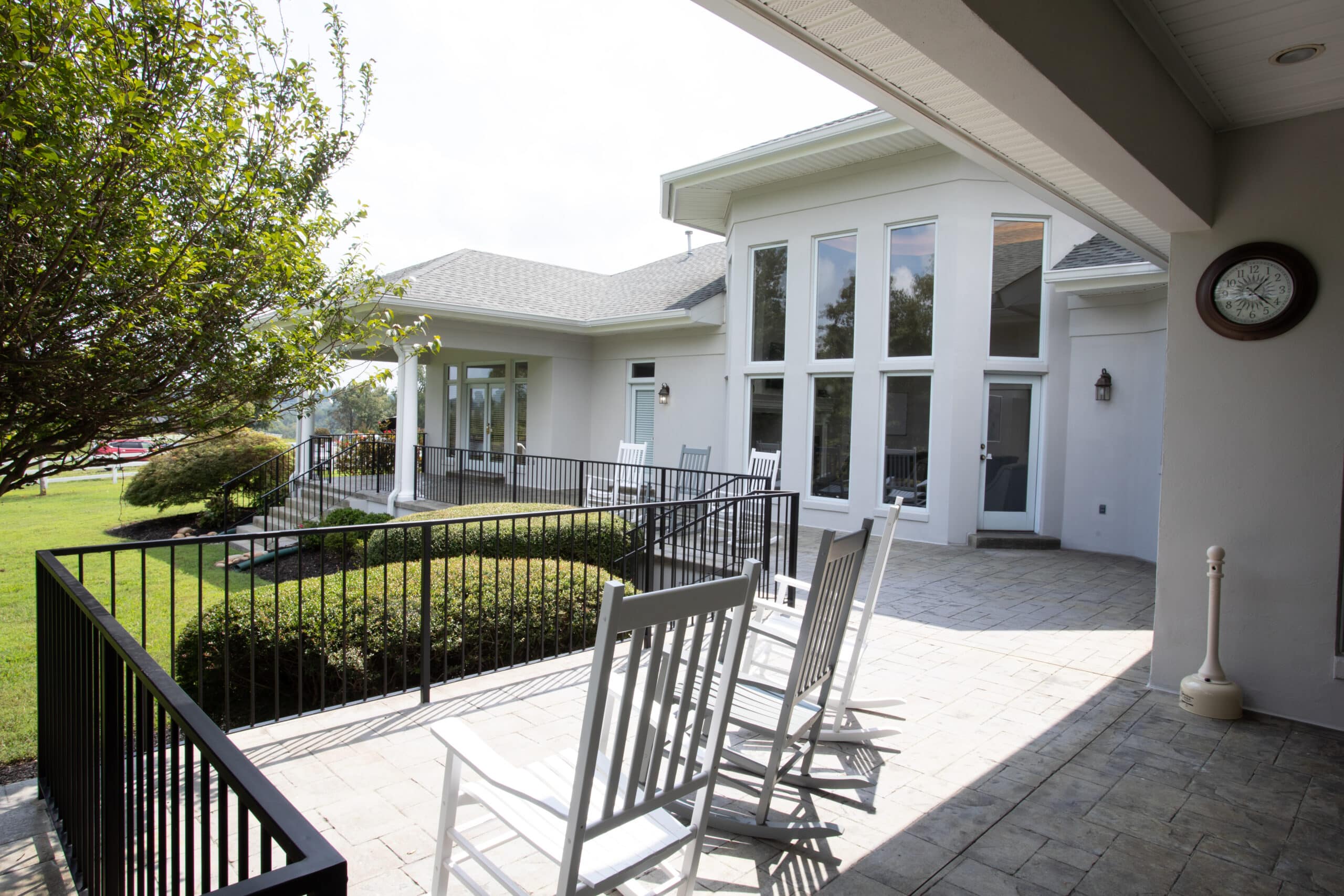
We are private and secluded in Tennessee, offering a serene environment where clients can breathe again. Nature, quiet, and space from daily pressures can become more than “nice extras.” They can help the nervous system settle so deeper work is possible.
If Your Spouse Refuses Help, You Still Have Options
It is painful when the person you love cannot or will not see what you see. If they refuse treatment right now, consider these steps:
- Get support for yourself immediately. Counseling, Al-Anon, veteran family support groups, and trusted friends can help you stay grounded and make clear decisions.
- Stop negotiating with intoxication. Do not argue, explain, or plead when alcohol is in the driver’s seat.
- Document concerning incidents. Not to build a case against them, but to stay anchored in reality when self-doubt creeps in.
- Protect finances and children. Make practical plans, including separate accounts if needed and safety routines for kids.
- Consult professionals. You can speak with an admissions team, therapist, or interventionist to plan next steps.
Sometimes change begins when the family system stops revolving around the addiction.
Hold Space for Hope Without Denying Reality
Recovery for veterans is possible. We see it every day. But hope does not mean pretending it is fine. Hope is taking the next right step, even when you feel exhausted.
As a spouse, you are allowed to want peace. You are allowed to require safety. You are allowed to say, “I love you, and this cannot continue.”
And if your spouse is willing, treatment can become a turning point: not only away from alcohol, but toward a steadier identity, healthier connection, and a life that feels worth protecting.
Frequently Asked Questions
Is alcohol withdrawal dangerous for veterans?
Alcohol withdrawal can be dangerous for anyone, and it can be especially risky when there are co-occurring medical conditions, sleep deprivation, anxiety, or medication use. If your spouse shows withdrawal symptoms, seek medical guidance. A medically supported detox can provide safer stabilization.
My spouse drinks to sleep. Does that mean they have PTSD?
Not necessarily, but sleep-related drinking can be a sign of deeper distress, including trauma symptoms, anxiety, depression, or chronic pain. A dual diagnosis assessment can clarify what is driving the behavior and what kind of treatment is most appropriate.
Should I threaten divorce to make them stop?
Threats often escalate shame and defensiveness. Boundaries are more effective than ultimatums, especially when they are calm, specific, and enforceable. If separation is something you are considering, it can help to speak with a therapist or legal professional so you can make decisions from clarity rather than crisis.
What if my spouse is functional and still working?
Many people with alcohol use disorder maintain work and responsibilities for a long time. Functioning does not mean healthy, and it does not mean the problem is not progressing. If alcohol is harming health, relationships, safety, or stability, it is worth addressing now.
Can treatment help if my spouse also struggles with depression or anxiety?
Yes. Co-occurring mental health concerns are common and treatable. We specialize in addressing addiction through a dual diagnosis lens, which means we treat the underlying issues alongside the substance use, not as an afterthought.
How do I talk to my spouse without triggering anger?
Choose a sober moment, keep your message short, and focus on observable impact and next steps. Avoid labels during the conversation if they tend to escalate. Use “I” statements, and be ready to pause the discussion if it becomes unsafe or unproductive.
What can I do for myself while my spouse is in denial?
Get support now. Individual therapy, peer support groups, and education about addiction can restore your footing. Your health matters, and your stability can influence the entire direction of the situation.
You Don’t Have to Carry This Alone
If your spouse is an alcoholic veteran, there is a path forward, and it can begin with one private conversation. Reach out to Magnolia Ranch Recovery to talk through what’s happening, explore treatment options, and schedule a confidential consultation. We are here to help you find a safer, steadier next step for your spouse and for you.