


As the calendar turns to May, communities across the country and throughout Tennessee prepare to observe National Mental Health Month 2026. This is a time dedicated to raising awareness, breaking down the long-standing stigmas surrounding psychiatric care, and highlighting the paths to wellness that allow individuals to lead fulfilling lives. However, in the realm of addiction recovery, this month holds a particularly significant meaning. We have reached a point in clinical understanding where we can no longer separate the health of the mind from the struggle of the body. For anyone seeking lasting freedom from substances, it is becoming increasingly clear that dual diagnosis care is not just an option—it is the essential key to sobriety.
Understanding Mental Health Month 2026
National Mental Health Month in 2026 is about more than just awareness; it is about integration. For decades, the medical community treated mental health and substance abuse as two distinct silos. If you had depression, you saw a therapist; if you had an addiction, you went to rehab. This fragmented approach often left patients falling through the cracks, as the two conditions are frequently two sides of the same coin. In 2026, the theme of our advocacy is the “Whole Person” approach. This means recognizing that our emotional, psychological, and social well-being impacts every choice we make, including the decision to use or abstain from drugs and alcohol. When we ignore mental health while trying to treat addiction, we are essentially trying to put out a fire while leaving the gas line running.
The Reality of Dual Diagnosis in Tennessee
In the state of Tennessee, the need for specialized care has never been higher. Dual diagnosis, often referred to in clinical settings as co-occurring disorders, is the condition in which an individual struggles with both a mental health disorder and a substance use disorder simultaneously. This is a complex challenge that affects a significant portion of the population. Whether it is a resident of Nashville struggling with anxiety and alcohol or someone in the rural reaches of the state dealing with PTSD and opioids, the patterns of dual diagnosis are deeply woven into the fabric of the community. In simple terms, someone with a dual diagnosis is fighting two wars at once. They may be navigating the debilitating lows of major depression or the chaotic highs of bipolar disorder, all while attempting to manage a physical dependency on a substance. Because these two challenges are interconnected, the presence of one often exacerbates the symptoms of the other, creating a cycle that is nearly impossible to break without professional, integrated help.
The Self-Medication Cycle: A Deep Dive
One of the most common ways a dual diagnosis begins is through the process of self-medication. When a mental health disorder like anxiety or social phobia goes untreated, the individual often feels a desperate need for relief. In many cases, alcohol or drugs provide a temporary “numbness” or a sense of “liquid courage” that makes the mental symptoms feel more manageable. However, this relief is a mirage. Over time, the substance actually alters the brain’s chemistry, making the underlying mental health condition worse. For example, while alcohol might help someone with insomnia fall asleep initially, it eventually disrupts sleep cycles and increases feelings of depression the following day. This leads the individual to use more of the substance to combat the new, deeper feelings of despair, creating a downward spiral. Conversely, prolonged substance abuse can actually trigger the onset of mental health issues that weren’t there before, such as drug-induced psychosis or severe panic disorders.
Why Traditional Treatment Often Falls Short
The reason many people find themselves in a “revolving door” of rehab centers is that traditional programs often fail to address the mental health component with enough intensity. If a person completes a thirty-day program for alcohol but leaves with their underlying PTSD or generalized anxiety disorder untreated, they are returning to the world with the same “pain” they had before. Without new tools to manage that mental pain, the urge to return to the substance—their original coping mechanism—becomes overwhelming. Dual diagnosis care at a specialized center like Magnolia Ranch Recovery breaks this cycle by providing a “circuit breaker.” By treating both the addiction and the psychiatric condition concurrently, we ensure that as the body gets sober, the mind gets stable.
Healing from the Inside Out at Magnolia Ranch Recovery
Magnolia Ranch Recovery stands as a life-changing dual diagnosis rehab center in Tennessee. We believe that addiction is a disease that affects the whole person—body, mind, and spirit. It is not enough to simply remove the substance; we must heal the person. Our Tennessee-based center focuses on treating both the mental illness and substance abuse problems at the same time. This integrated approach is widely recognized as the gold standard for treatment in 2026. If you or someone you love is struggling with the heavy burden of a dual diagnosis, seeking help at a specialized facility is the most important step you can take toward getting your life back on track. At Magnolia Ranch, we offer a path that addresses the root causes of these challenges, helping our guests navigate the complexities of their unique situations with compassion and clinical expertise.
The Magnolia Ranch Difference: Advanced Clinical Care
As one of the leading dual diagnosis treatment centers in the country, Magnolia Ranch Recovery provides an environment where recovery begins on the right foot from day one. We are proud to work with some of the most advanced drug and alcohol therapists in the United States. These professionals bring a wealth of experience in managing high-acuity mental health cases alongside addiction. Our programs are overseen by a full-time staff who are dedicated to the complete comfort and safety of our clients. We offer leading medicinal therapies that help bridge the gap during the early, difficult days of sobriety, ensuring that the transition into a stable mental state is as smooth as possible. Our goal is to provide comprehensive treatment so that our clients can recover fully and return to their lives as productive, healthy individuals.
Individualized and Comprehensive Programs

At Magnolia Ranch Recovery, we know that no two stories are the same. A person struggling with bipolar disorder and stimulants requires a vastly different clinical approach than someone dealing with depression and alcohol. That is why our dual diagnosis programs are led by a team of experienced mental health professionals and addiction counselors who specialize in individualized treatment plans. We take into account the substances being misused, the specific psychiatric diagnosis, and the personal situation of the guest. Our treatment plans include a variety of therapies and activities designed to heal the person physically, mentally, and emotionally. From intensive therapeutic counseling to nutritional support and privacy, we provide every resource necessary for a transformative experience.
This Mental Health Month is your opportunity to break the cycle of relapse by addressing the underlying challenges that have held you back. Reach out to Magnolia Ranch Recovery now for a confidential assessment, and let our advanced clinical team provide the personalized care you need to rediscover your purpose and peace.
Privacy and Comfort in the Tennessee Landscape
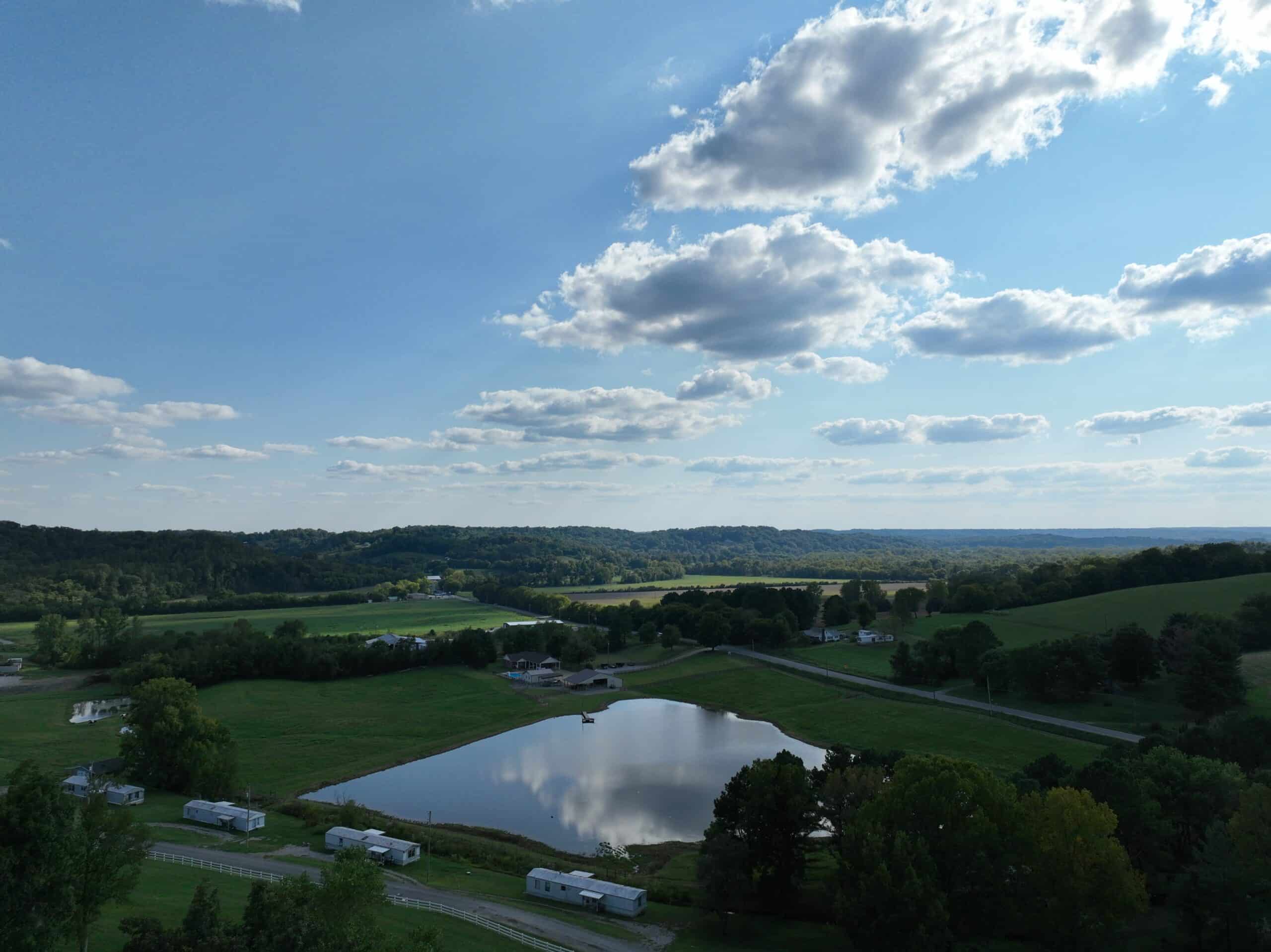
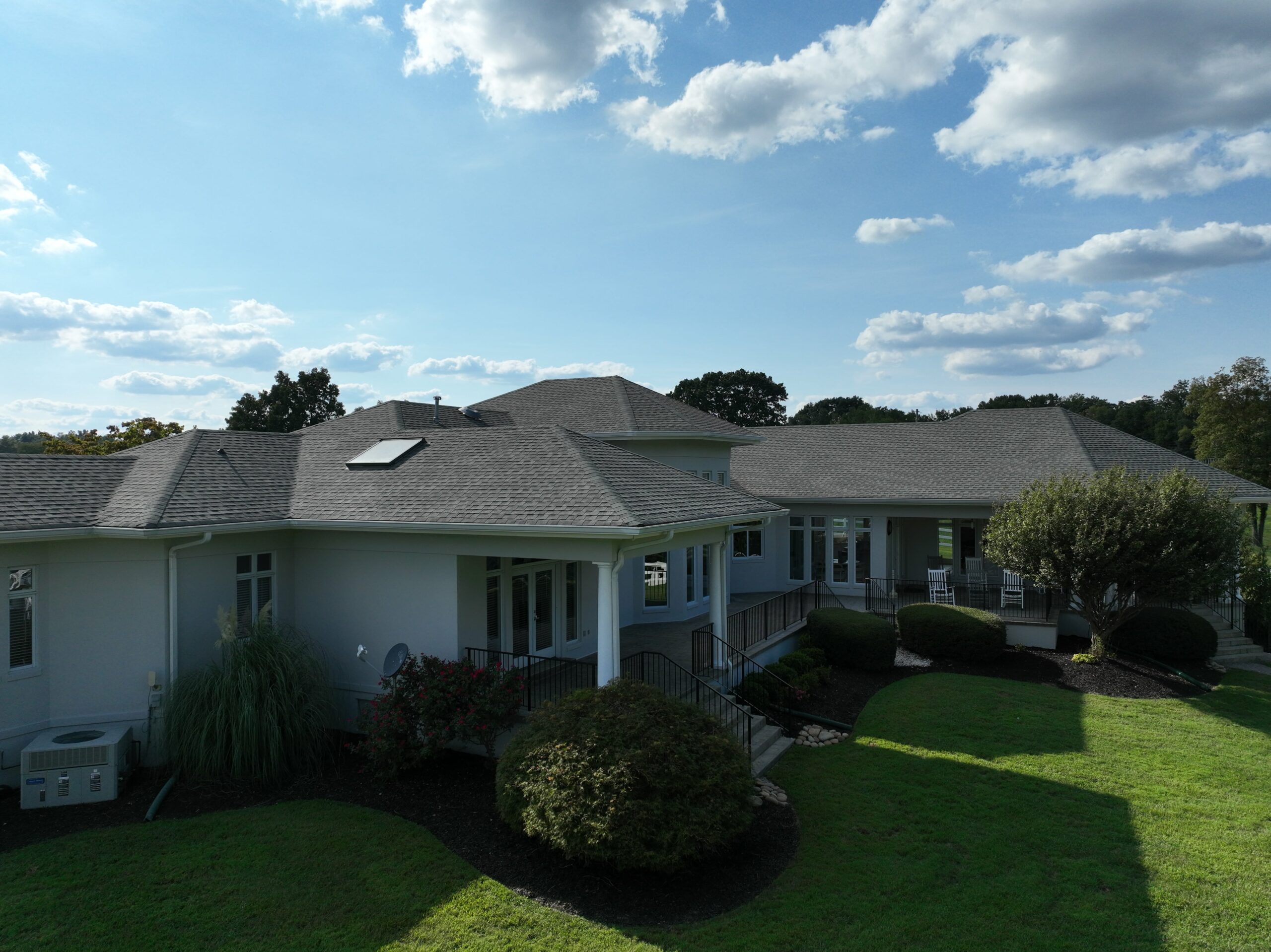
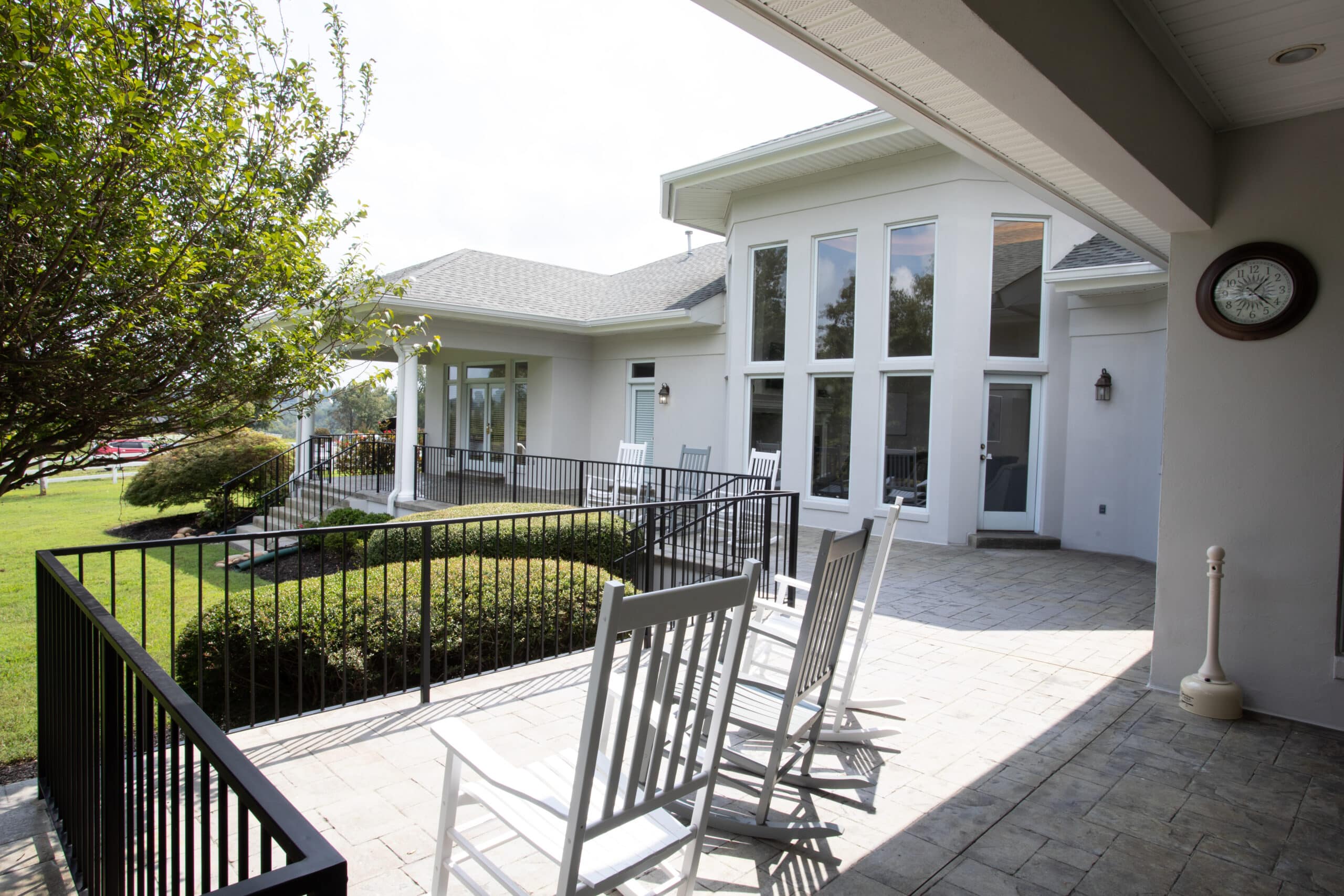
One of the significant barriers to seeking treatment is the fear of a lack of privacy or the discomfort of an institutional setting. Magnolia Ranch Recovery addresses these concerns by offering an environment that feels like a sanctuary. We prioritize the utmost privacy for our guests, allowing them the space to do the deep work of recovery without the prying eyes of the outside world. Our Tennessee facility is designed to be a place of reflection and healing, where the natural beauty of the surroundings helps lower cortisol levels and promotes a sense of peace. While in treatment, clients are given everything they need, including high-quality meal assistance and a staff that is available 24/7. We believe that when a person is comfortable and feels safe, they are much more likely to engage fully in the difficult conversations required for dual diagnosis healing.
The Role of Spirit in Recovery

Beyond the clinical and medical aspects, Magnolia Ranch Recovery incorporates the spirit into the healing process. We recognize that addiction often leaves a person feeling spiritually bankrupt or disconnected from their sense of purpose. Our comprehensive programs encourage guests to explore their values, find meaning in their journey, and reconnect with their inner selves. Whether through mindfulness practices, outdoor activities, or spiritual counseling, we aim to heal the “inside out.” By the time a guest leaves Magnolia Ranch, they don’t just have a plan for sobriety; they have a renewed sense of who they are and what they are capable of achieving.
Removing the Stigma During Mental Health Month
As we celebrate Mental Health Month 2026, our mission is to remind everyone in Tennessee that there is no shame in having a dual diagnosis. It is a medical condition, not a moral failing. The stigma that once kept people silent is being dismantled by the success stories of those who have walked this path and found a new way to live. Seeking help for your mental health is a sign of strength and self-awareness. It shows that you are willing to do whatever it takes to be present for your family, your career, and yourself. At Magnolia Ranch Recovery, we see the living proof every day that recovery is possible for everyone, no matter how complicated their history may seem.
Taking the First Step Toward Total Wellness
Dual diagnosis is a complicated issue with many different factors, but you do not have to figure it out alone. If you or someone you love is struggling with addiction and a mental health disorder, the time to act is now. Early intervention is one of the strongest predictors of long-term success. By reaching out to Magnolia Ranch Recovery, you are gaining access to a team that understands the interconnected nature of your struggle. We are here to help you get the treatment you need to lead a healthy, happy life. Let this Mental Health Month be the turning point in your story. Reach out to our Tennessee dual diagnosis rehab center today and take that first, vital step towards healing.
Frequently Asked Questions about Dual Diagnosis
What qualifies as a dual diagnosis? A dual diagnosis occurs when an individual is diagnosed with both a mental health disorder—such as depression, anxiety, bipolar disorder, or PTSD—and a substance use disorder at the same time. These conditions are often linked, with each one complicating the treatment and symptoms of the other.
Can you treat the addiction first and then the mental health disorder? Clinical research has shown that the most effective way to treat these conditions is simultaneously. If you only treat the addiction, the unmanaged mental health symptoms often lead to a relapse. Integrated dual diagnosis care at Magnolia Ranch treats both at once to ensure a solid foundation for sobriety.
What types of mental health disorders are commonly treated in dual diagnosis programs? We treat a wide range of co-occurring disorders, including Major Depressive Disorder, Generalized Anxiety Disorder, Bipolar I and II, Post-Traumatic Stress Disorder (PTSD), Obsessive-Compulsive Disorder (OCD), and various personality disorders that may be contributing to the cycle of addiction.
How does Magnolia Ranch Recovery ensure privacy for its guests? We understand that many of our clients are professionals or high-profile individuals who require a high level of confidentiality. Our facility is designed with privacy as a priority, featuring discreet admissions processes and a secure, private environment where guests can focus entirely on their recovery.
Is medication used in dual diagnosis treatment? At Magnolia Ranch, our medicinal therapies are overseen by full-time medical staff. For many dual diagnosis patients, medication is a vital tool to stabilize brain chemistry and manage symptoms of depression or anxiety while they work through the behavioral and therapeutic aspects of their recovery.
How long does a dual diagnosis program last? The duration of treatment is individualized. Because dual diagnosis involves two distinct conditions, the length of stay is determined by the guest’s progress in both mental stabilization and addiction recovery. Our clinical team works with each patient to ensure they are ready for the next level of care before transitioning.
Does Magnolia Ranch Recovery help with the transition back to daily life? Yes. We believe that aftercare is just as important as the initial treatment. We provide comprehensive counseling and planning to help our guests reintegrate into their homes and careers in Tennessee with a solid support system and a plan for continued mental health maintenance.
Why is Tennessee a good place for dual diagnosis recovery? Tennessee offers a serene, natural environment that is conducive to the “quieting of the mind” necessary for trauma and mental health work. Magnolia Ranch Recovery leverages this peaceful setting to provide a sanctuary that feels far removed from the stressors that often trigger substance use.
How do I know if my loved one needs a dual diagnosis program versus a standard rehab? If your loved one has a history of mental health struggles, has experienced trauma, or has relapsed multiple times after standard treatment, they likely need the integrated care of a dual diagnosis program. An assessment by our team at Magnolia Ranch can help determine the best path forward.
What is the “Whole Person” approach to treatment? The “Whole Person” approach means we don’t just look at a chart or a list of symptoms. We look at the individual’s physical health, their psychological state, their spiritual connections, and their social environment. By healing all these areas, we provide a much more robust defense against future relapse.
Recovery from a dual diagnosis requires a specialized approach that heals both the mind and the body in unison. Contact Magnolia Ranch Recovery today at to get in touch with our compassionate admissions team and start your journey toward a life of lasting sobriety on our serene Tennessee estate.