


In the battle against addiction, it often takes more than sheer willpower or traditional talk therapy to achieve a breakthrough. For many individuals in Tennessee struggling with drug and alcohol addiction, the path to recovery requires a more holistic approach that heals the mind, body, and spirit simultaneously. This need for multifaceted healing brings us to the transformative world of equine therapy. At Magnolia Ranch Recovery, we’ve found that horses offer a unique and powerful pathway to sobriety, serving as an emotional bridge for those who may find it difficult to open up in a standard clinical setting.
Equine Therapy and Addiction: An Unbreakable Bond
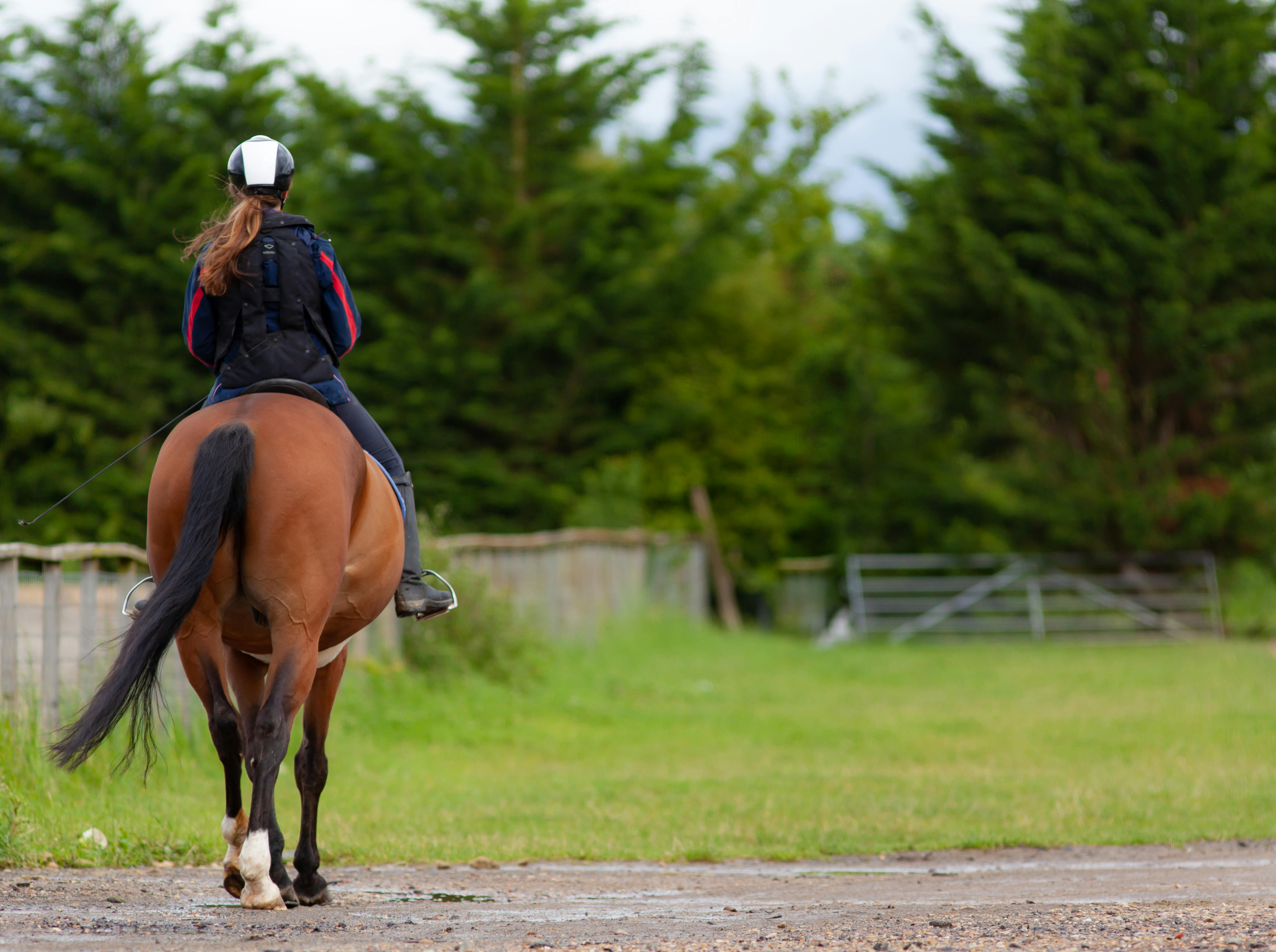
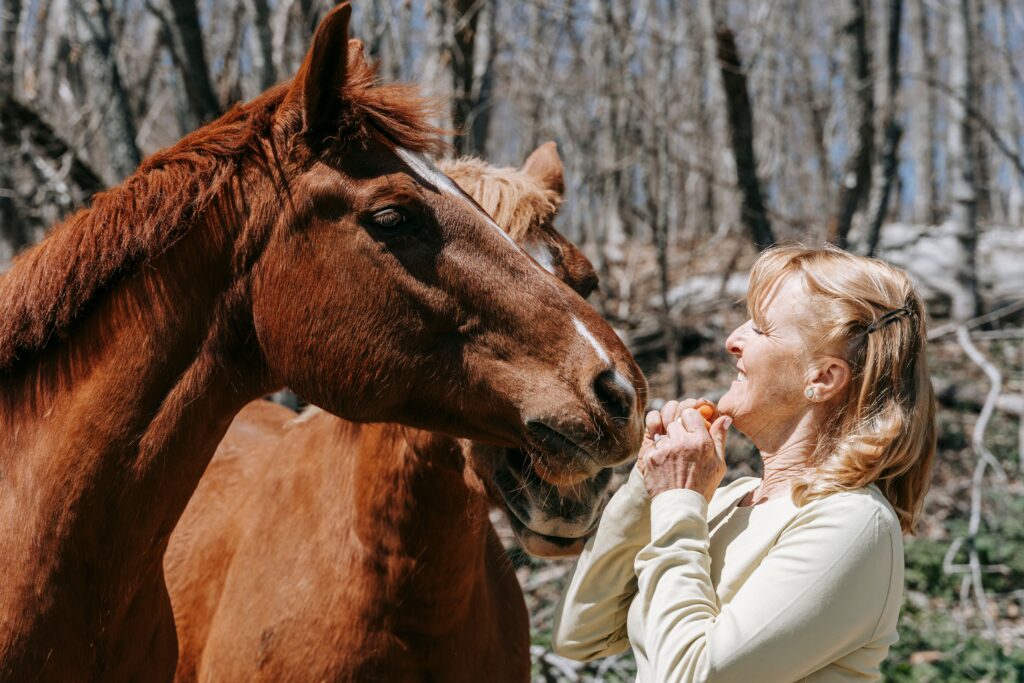
At its core, equine therapy is about building a therapeutic relationship between a person and a horse. For those grappling with the heavy weight of addiction and dual diagnosis—where mental health struggles often coexist with substance use—this bond becomes an essential anchor. These magnificent creatures provide immediate emotional support, helping residents build self-esteem and instill a sense of responsibility. Unlike human interactions, which can sometimes feel loaded with judgment or expectation, the relationship with a horse is built on pure, non-verbal trust. This connection helps individuals ground themselves in the present moment, which is a vital skill for preventing relapse and managing high-stress triggers.
The Science Behind the Healing
The effectiveness of equine therapy isn’t just anecdotal; there is a significant biological component to this healing process. Interactions with horses have been shown to trigger the release of positive neurotransmitters in the brain, most notably the hormone Oxytocin. Often referred to as the “love hormone” or “bonding hormone,” Oxytocin promotes feelings of trust, well-being, and social connection. For someone in recovery, these chemical shifts are crucial in combating the feelings of isolation and despair that so often accompany addiction. By physically altering the body’s stress response, equine-assisted therapy creates a neurochemical environment that is more receptive to long-term healing and emotional growth.
The Journey from Dependence to Empowerment
One of the most profound shifts we observe in our residents is the transition from a state of dependence to one of empowerment. Active addiction often leaves individuals feeling powerless and stripped of their self-worth. However, as residents care for our horses through feeding, grooming, and walking, they experience a renewed sense of purpose. The responsibility of caring for another living being helps reestablish a sense of value. You aren’t just a patient in a program; you are a caregiver who is necessary for the horse’s well-being. This shift helps rebuild the self-worth required to maintain a sober lifestyle after leaving our Tennessee facility.
At Magnolia Ranch Recovery, we believe in treating the whole person. Contact us today to learn how our equine-assisted therapy program in Tennessee can support your journey to lasting sobriety.
Emotional Stability and Growth
Horses are incredibly intuitive animals. Because they are prey animals in the wild, they are highly attuned to the energy and emotions of those around them. They often serve as mirrors, reflecting a person’s internal state back to them in real-time. If a resident is feeling anxious, the horse may become restless; if the resident is calm and grounded, the horse responds with serenity. This non-judgmental feedback offers profound emotional insights that might take weeks to uncover in traditional therapy. It allows individuals to see their own emotional patterns clearly, leading to a deeper level of self-awareness and healing that is foundational for treating dual diagnosis disorders.
Building Accountability and Strengthening Social Bonds
Recovery post-addiction requires a high level of commitment, consistency, and structure. Regular interactions with horses require individuals to follow a routine, which instills a sense of accountability and punctuality. These are the same “soft skills” needed to rebuild a career or restore family dynamics. Furthermore, equine therapy helps mend the social isolation that many people feel when battling substance use. Whether interacting with the horses, the therapists, or their peers during group sessions, residents begin to rekindle lost social skills. This shared experience fosters a supportive recovery community, reminding everyone that they do not have to walk the path to sobriety alone.
Equine Therapy Techniques Tailored for Recovery
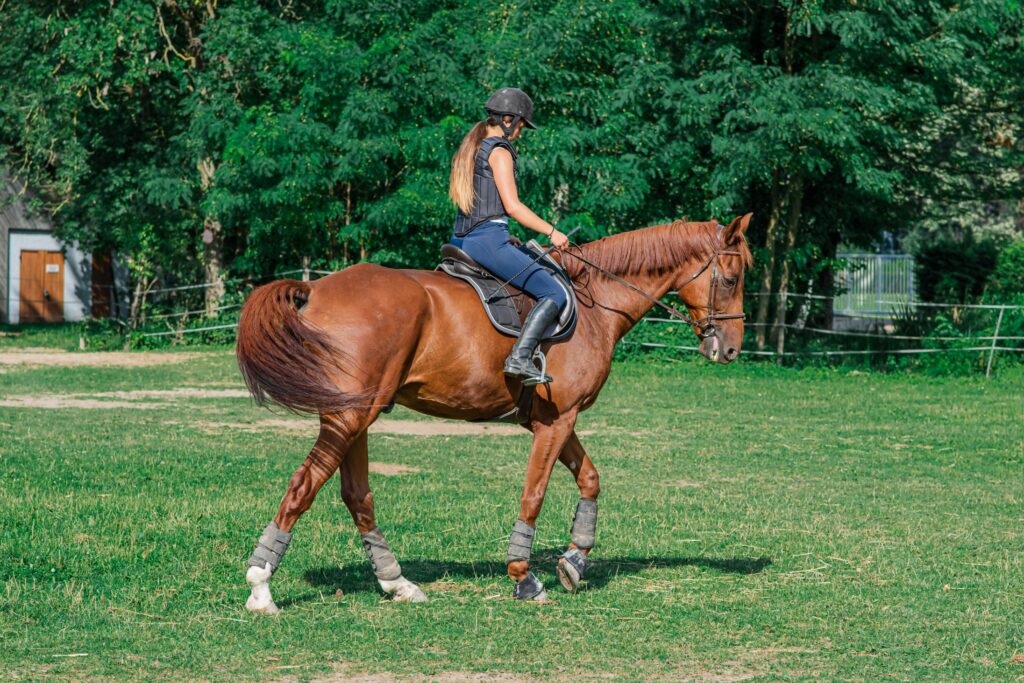
At Magnolia Ranch Recovery, we utilize several specific techniques to ensure the therapy is as effective as possible. Therapeutic horseback riding goes beyond the joy of the activity; it is about establishing a relationship built on mutual trust. It offers a much-needed reprieve from the daily struggles of recovery, allowing individuals to find solace in the moment. Groundwork and care—such as grooming and feeding—nurture a sense of responsibility and give residents an opportunity to “give back.” We also host group sessions where teamwork and communication are the primary focus. Activities like obstacle courses or group rides emphasize collaboration, which is essential for developing healthy interpersonal boundaries and social support.
Transformative Power: Real-Life Testimonies
The impact of this program is best seen through the stories of those who have experienced it. Consider Mark, who arrived at Magnolia Ranch Recovery deeply entrenched in alcohol addiction and feeling entirely lost. Through our equine program, he found a companion in Daisy, a gentle mare. Their bond taught him how to trust again and gave him a reason to stay accountable to his sobriety. Then there is Sarah, who struggled with drug addiction and felt she had lost her true identity. Through consistent interaction with horses, she rediscovered her resilience and determination, realizing she was capable of far more than her addiction had led her to believe. These stories are a testament to how horses can help reclaim a life once thought lost.
Frequently Asked Questions
Is equine therapy effective for all types of addiction?
While equine therapy has shown incredible promise for a wide range of addictions and co-occurring mental health disorders, it is essential to consult with our professional staff to determine if it is the best fit for your specific needs.
Are there trained professionals overseeing the sessions?
Absolutely. Safety and therapeutic effectiveness are our top priorities. All sessions at Magnolia Ranch Recovery are overseen by trained therapists and equine specialists who ensure that both the residents and the horses are safe and supported.
How does this complement traditional rehab programs?
Equine therapy is a holistic addition to our clinical program. While traditional therapies address the psychological aspects of addiction, equine therapy offers hands-on healing and real-life skill-building that bridges the gap between the office and the real world.
Can equine therapy replace traditional rehab?
While the benefits are significant, equine therapy is most effective when used in conjunction with a comprehensive, evidence-based residential treatment program. It is one vital piece of a much larger recovery puzzle.
Equine therapy at Magnolia Ranch Recovery represents more than just an alternative treatment; it is a source of hope and a renewed sense of purpose. As we continue to seek the most compassionate and effective ways to treat addiction in Tennessee, equine therapy stands tall as a transformative, holistic pathway to lasting well-being.
Ready to trade dependency for empowerment? Reach out to the team at Magnolia Ranch Recovery now for a confidential assessment and discover the holistic benefits of our dual diagnosis treatment programs.