



There’s a quiet moment many people recognize, even if they don’t say it out loud.
It’s the moment you realize you’ve tried willpower, promises, and “starting Monday” more times than you can count. You may still be functioning on the outside, holding a job, paying bills, taking care of others. But inside, life has started to shrink. Your choices feel narrower. Your peace feels farther away.
If you’re reading this, you may be wondering a difficult question: Is it time for residential treatment?
At Magnolia Ranch Recovery, we want you to know something simple and steady. Considering residential treatment is not a sign of failure. It’s often a sign of clarity. It’s a decision to step out of the noise, into a protected space, and finally give healing the time and structure it requires.
Below are five signs that it may be time to consider residential treatment for addiction, along with what that step can truly offer.
1) You’ve tried to stop, but couldn’t.
Many people can stop for a day. Some can stop for a week. A few can stop for a month.
But if you keep returning to use despite real effort, that pattern matters. It can look like:
- You make sincere promises to yourself and break them
- You “moderate” for a while, then it escalates again
- You stop in one setting, then relapse as soon as stress returns
- You feel controlled by cravings, routines, or triggers you can’t seem to escape
Addiction is not only about the substance. It’s also about the pathways your brain and nervous system have learned over time, especially under stress. This is why removing yourself from the environment where addiction thrives can be so powerful.
Residential treatment gives you the time and separation needed for new patterns to take root. Instead of trying to heal while still living inside the same pressures, people, and triggers, you can focus fully on recovery with structure and support around you.
If you’ve been caught in a cycle of stopping and starting, residential care may be the safer, steadier next step.
2) Your life is still “working,” but your world is getting smaller
One of the most overlooked signs is not a dramatic crisis. It’s a gradual narrowing.
You may notice:
- You avoid social events unless you can use
- You stop doing things that once brought joy or meaning
- You isolate, cancel plans, or pull away from people who care
- You feel emotionally flat, irritable, anxious, or constantly on edge
- You’re living in a private struggle that no one fully sees
Functioning addiction can be especially painful because it’s easy to minimize. You might tell yourself, It’s not that bad. I’m still managing. But “managing” is not the same as living.
Residential treatment can help you reclaim the parts of yourself that have gone quiet. With consistent care, therapy, rest, and healthy routines, people often rediscover something they haven’t felt in a long time: genuine connection to themselves and to life.
At Magnolia Ranch Recovery, we believe healing is more than abstinence. It’s rebuilding a life that feels worth protecting.
3) Your physical or mental health is slipping (and you’re scared to look too closely)

Addiction tends to pull health in two directions: it can intensify what’s already there, and it can create new problems that feel confusing or frightening.
You might be noticing:
- Worsening anxiety, panic, depression, or mood swings
- Sleep problems, exhaustion, or “wired but tired” feelings
- Memory issues, concentration problems, or brain fog
- Changes in appetite or weight
- Withdrawal symptoms when you try to stop
- Increased risk-taking or reckless choices
- Thoughts of hopelessness, self-harm, or not wanting to be here
If you’re experiencing anything severe, especially suicidal thoughts, seek immediate help or call emergency services. Your safety matters more than any plan.
For many people, the fear of withdrawal or the fear of what life will feel like without the substance keeps them stuck. Residential treatment can be a compassionate solution because it offers a protected setting where you can stabilize physically and emotionally while beginning deeper healing.
When your health is slipping due to addiction-related issues such as worsening anxiety or PTSD which often require specialized treatment and co-occurring disorders, you don’t need to “tough it out.” You deserve support that’s calm, professional, and consistent.
Moreover, it’s crucial to understand that addiction recovery isn’t just about detoxing; it’s also about addressing the underlying causes of addiction and implementing effective treatment strategies. Remember that relapse is a common part of the recovery journey for many individuals. Understanding the prevalence of relapse can help set realistic expectations and prepare for challenges ahead.
4) Your relationships are strained, and trust keeps breaking
Addiction often harms the very relationships you want to protect. Sometimes it’s obvious, like arguments, broken agreements, or crisis moments. Other times it’s quieter, like emotional distance, defensiveness, or living in separate worlds under the same roof.
Signs may include:
- Loved ones are worried, angry, exhausted, or constantly monitoring you
- You’re hiding use, lying, or minimizing to keep the peace
- You feel shame afterward and promise it won’t happen again
- Your relationships revolve around conflict, money, or damage control
- Trust has eroded, even if love is still there
This matters because addiction is rarely healed in isolation. Even if the substance use happens alone, the impact ripples outward.
Residential treatment can create space to pause the damage and begin repairing. In a structured environment, you’re not trying to rebuild relationships while still actively caught in the cycle. You’re learning new coping tools, practicing emotional regulation, and gaining insight into the patterns that have been driving the hurt.
And just as importantly, your loved ones get a moment to exhale, too.
5) You keep thinking, “If I don’t change something soon, I’m going to lose more than I can afford”
This sign is often the clearest, even if it’s hard to admit.
You may feel a growing internal knowing, such as:
- “I’m running out of chances.”
- “I’m scared of who I’m becoming.”
- “I can’t keep living like this.”
- “I don’t know how to stop, but I know I need help.”
Sometimes people wait for a breaking point: a job loss, a legal issue, a medical emergency, a relationship ending. But you don’t have to wait for the worst day of your life to choose care.
Residential treatment is not about punishment or humiliation. It’s about stepping away from what’s harming you and stepping toward a new foundation. It’s a place to rest, reset, and rebuild with professional guidance, peer support, and daily structure.
If something in you is quietly asking for a different life, it’s worth listening.
While outpatient treatment can be helpful for many people, when addiction is persistent or complicated by mental health issues or environmental factors, residential care offers unique advantages that outpatient cannot provide.
Residential treatment offers:
- Distance from triggers that keep pulling you back into use
- Consistent structure when motivation and energy are depleted
- Daily therapy and support, not just once or twice a week
- A community of recovery so you don’t have to do this alone
- Space for self-discovery, where you can understand what’s beneath the addiction
- A calmer nervous system, supported by routine, rest, and nature
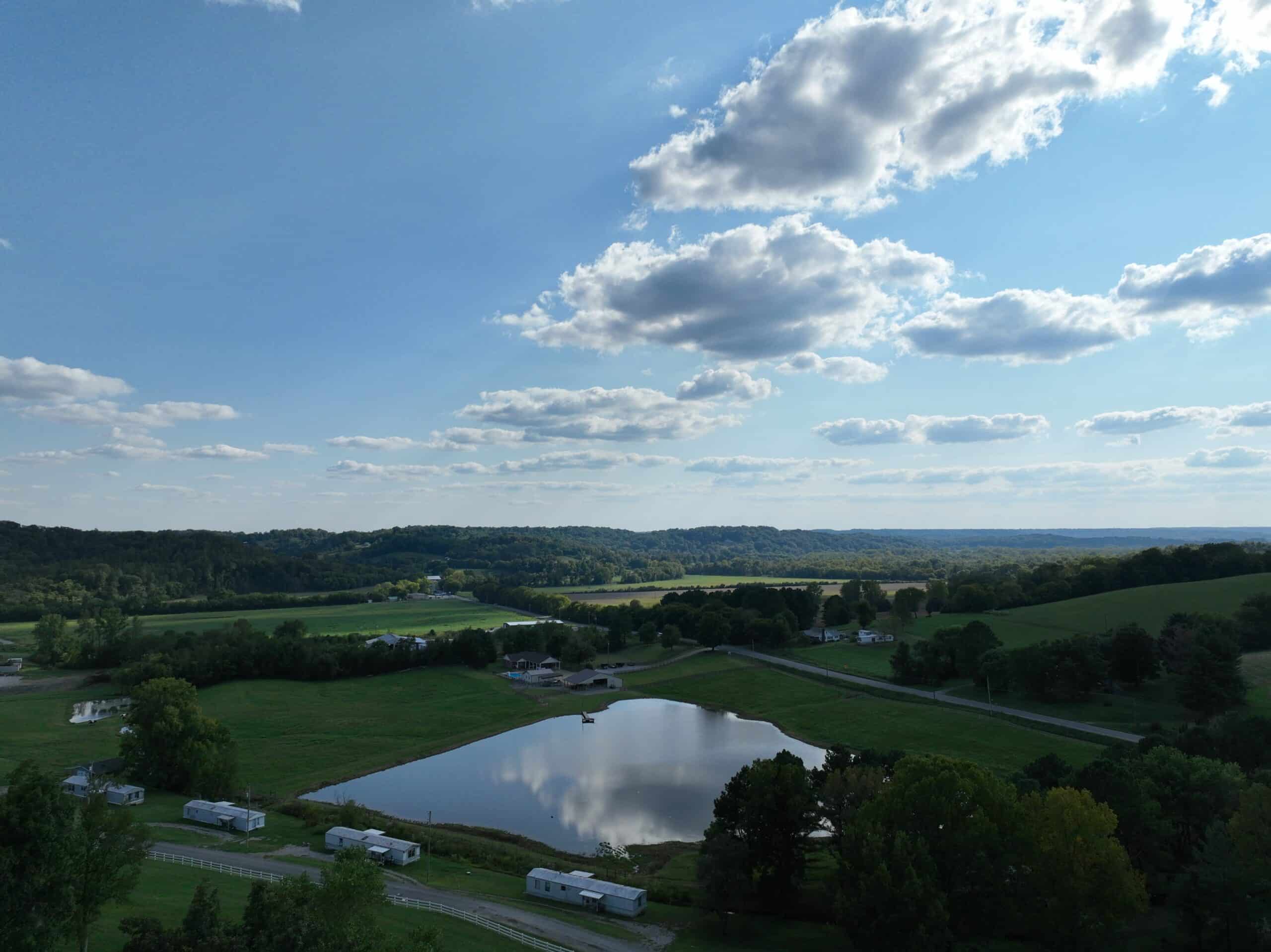
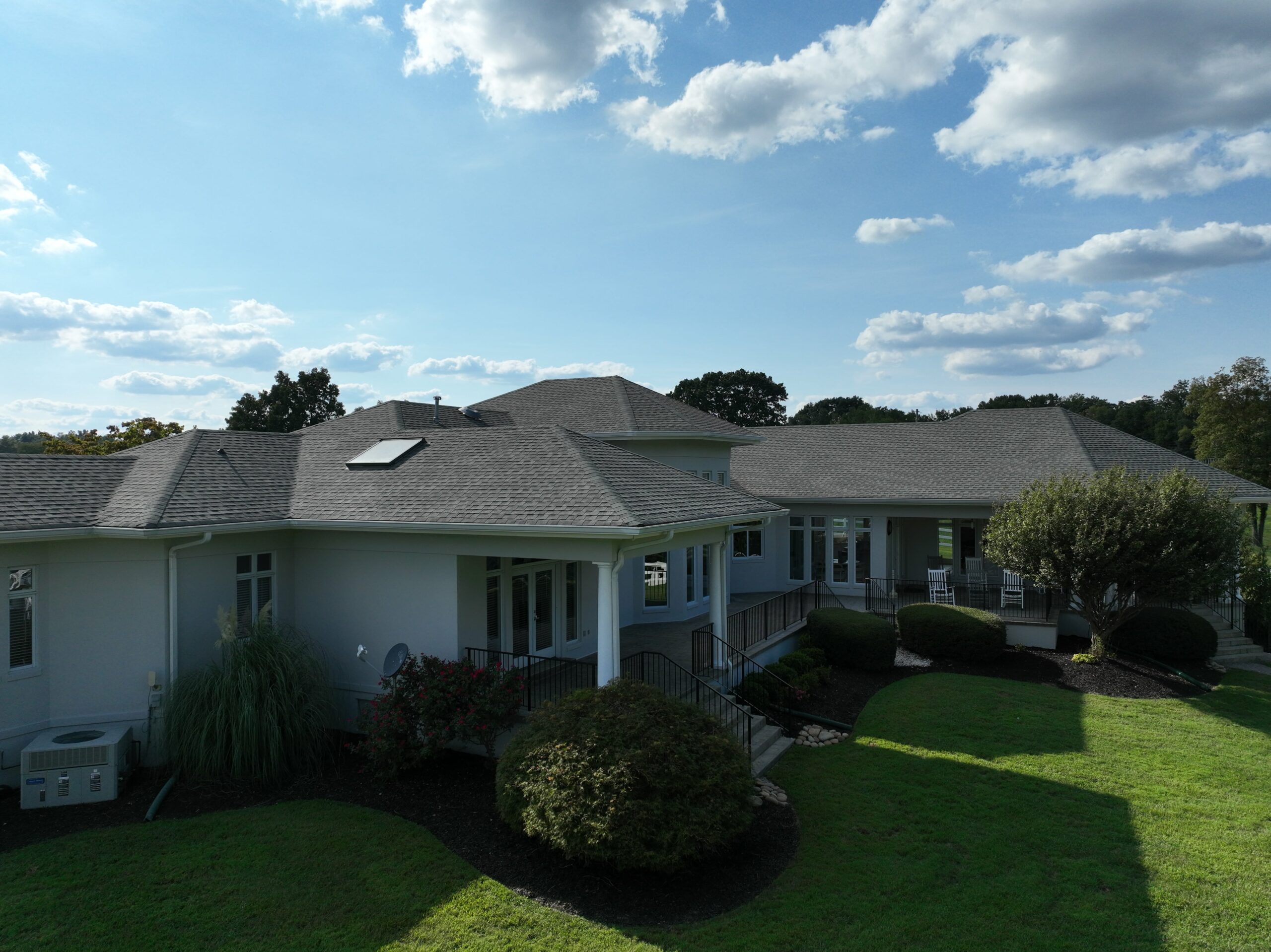
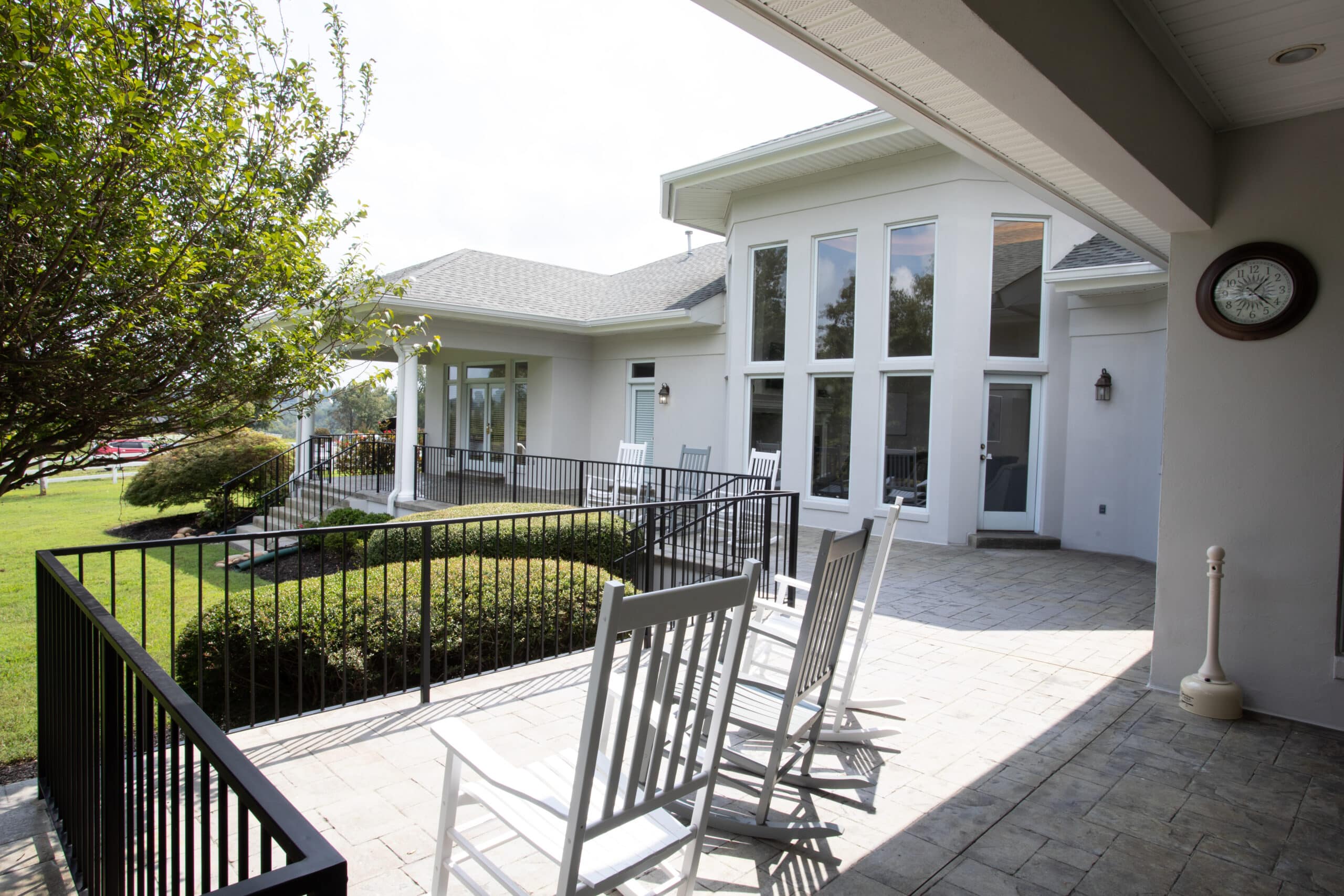
At Magnolia Ranch Recovery, we approach treatment with compassion and clarity. Our setting is intentionally private and serene – designed to help you reconnect with yourself away from everyday pressures and distractions. Healing often begins when you finally have enough quiet to hear what you truly need.
If you’re unsure whether residential treatment is “serious enough” for your situation, these
How do I know if I need residential treatment instead of outpatient care?
Residential treatment is often a better fit when you can’t stay sober in your current environment, when withdrawal or cravings feel unmanageable, when mental health symptoms are strong, or when relapse keeps happening despite outpatient efforts.
What if I’m worried about taking time away from work or family?
That fear is very real. But untreated addiction usually takes more time than treatment does. Residential care can be an investment in getting your life back, so you can return stronger, clearer, and more present for the people who need you.
Is residential treatment only for “severe” addiction?
No. Many people seek residential care before things become catastrophic. If substance use is steadily worsening, repeatedly returning, or harming your health, relationships, or peace of mind, residential treatment can be appropriate.
What happens during residential treatment?
While each program is different, most include structured days with therapy, recovery education, skill-building, and support. The goal is not only to stop using but to understand the roots of addiction and build tools for long-term recovery.
Will I have privacy?
Yes. Privacy and dignity matter. A quality residential program protects confidentiality and creates a space where you can heal without feeling exposed or judged.
What if I’ve been to treatment before and relapsed?
Relapse can be part of many recovery journeys, and it doesn’t mean you can’t heal. It often means the plan needs to be strengthened, the support needs to deepen, or underlying issues need more focused attention. Residential treatment can help you rebuild with more insight and structure.
you may also enjoy:
If any part of this felt familiar, we invite you to take a simple next step. You don’t have to commit to everything today. You don’t have to have the perfect words. You only have to be willing to start a conversation.
Reach out to us at Magnolia Ranch Recovery, one of the leading addiction treatment centers in Tennessee, to talk through what’s been happening, explore whether residential treatment is right for you, and schedule a confidential consultation. We’re here to help you find your way back to yourself and toward a life that feels steady, connected, and truly yours.
FAQs (Frequently Asked Questions)
What are the signs that indicate it might be time for residential treatment for addiction?
Key signs include repeated unsuccessful attempts to stop using substances despite sincere efforts, a gradual shrinking of your world where you avoid social events and lose interest in activities, and declining physical or mental health such as worsening anxiety, sleep problems, or withdrawal symptoms. Recognizing these signs can help you decide if residential treatment is the right next step.
Why is considering residential treatment not a sign of failure?
Considering residential treatment is often a sign of clarity rather than failure. It reflects a decision to step out of the noise and into a protected space where healing can receive the necessary time and structure. Residential care provides focused support away from triggers and pressures that perpetuate addiction.
How does residential treatment help break the cycle of addiction?
Residential treatment offers separation from environments where addiction thrives, allowing new healthy patterns to develop. It provides structured support, therapy, and time needed to stabilize physically and emotionally while addressing cravings, triggers, and learned behaviors that maintain addiction.
What does ‘functioning addiction’ mean and how can residential treatment assist?
‘Functioning addiction’ refers to continuing to hold a job, pay bills, or care for others while internally struggling with narrowing choices, isolation, or emotional distress. Residential treatment helps by providing consistent care and therapy to rebuild genuine connection with oneself and life beyond mere abstinence.
How does residential treatment address co-occurring disorders like anxiety or PTSD alongside addiction?
Residential programs offer specialized treatments tailored for co-occurring disorders such as anxiety and PTSD. They provide a calm, professional environment where both addiction and underlying mental health issues are treated simultaneously with consistent support essential for deeper healing.
Why is it important to understand relapse when considering addiction recovery?
Relapse is a common part of many individuals’ recovery journeys. Understanding its prevalence helps set realistic expectations and prepares individuals for challenges ahead. Residential treatment supports relapse prevention by offering structured environments that foster sustained recovery through effective strategies.