


Taking the first step to get addiction help is the most courageous and important decision you can make. You may have spent months—or even years—feeling isolated, managing on your own, or believing you should be able to handle it alone. Yet here you are, reading this, and considering a new path forward.
Many people hesitate to ask for support. Fears of judgment, concerns about what it means to be in “rehab,” or simply not knowing where to begin can feel like massive barriers.
Let’s be clear: reaching out for help is an act of strength, not weakness.
When you choose to seek professional addiction help, you open the door to real transformation. A quality program doesn’t just address the substance use; it helps you heal the underlying pain, anxiety, or trauma that may be fueling it. This holistic approach is how you rebuild your sense of self and discover a life of purpose and peace.
How Do I Know If I Need Professional Addiction Help?
Your mind and body are often the first to signal that substance use has become a problem and you need addiction help. Recognizing these signs is the first step.
- Your mind and body are often the first to signal that substance use has become a problem. Recognizing these signs is the first step.
- Loss of Control: Your use feels compulsive, or you find yourself using more or for longer than you intended.
- Negative Consequences: You continue to use despite it causing problems with your relationships, work, or health.
- Emotional Volatility: You experience sudden anger, profound sadness, or a feeling of “numbness” where joy once lived.
- Isolation: You’ve started to withdraw from loved ones, hide your use, or avoid activities you once enjoyed.
- Physical Dependence: You experience withdrawal symptoms when you try to stop, or you need the substance just to feel “normal.”
- Failed Attempts to Quit: You’ve tried to stop or cut back on your own but find yourself returning to the same patterns.
These aren’t signs of a personal failure; they are the clinical signs of a substance use disorder, and they are your compass pointing toward the healing you deserve.
Overcoming the Fear of Making the First Call
Recognizing the signs of needing addiction help is one thing, but picking up the phone to call a treatment center is another. That phone can feel like it weighs 100 pounds. This is the biggest hurdle for most people, and it’s almost always built on a few key fears. Let’s break them down.
“I’m Scared I’ll Be Judged.”
This is the most common fear. Please hear this: You will be met with compassion, not judgment. The person who answers your call is a professional, often in recovery themselves, who has heard stories just like yours. Their only job is to help you on your path of getting addiction help. You are not the first person to make this call, and you won’t be the last.
“What If I Can’t Afford It?”
The first call is completely free and comes with no obligation. You don’t need to have your finances figured out. Part of the call is a simple, confidential insurance verification. You’ll get clear answers about your benefits and any potential costs before you ever agree to anything.
“What If My Job or Family Finds Out?”
Your call is 100% confidential and protected by federal law (HIPAA). We cannot speak to anyone about your call—not your boss, not your spouse, not your parents—without your explicit written permission. This is a safe space.
“I Don’t Know What to Say or If I’m ‘Sick Enough’.”
You don’t need a script, and you don’t need to “prove” you have a problem. You just have to be honest. The simple phrase, “I’m struggling with [substance] and I think I need help,” is all it takes to start the conversation.What Happens on the First Call: A Step-by-Step Guide
The “first call” is not a commitment; it is an assessment. It’s a simple, 15-to-20-minute conversation to help us understand your situation and help you understand your options.
1. What to Expect: Questions You’ll Be Asked
The admissions specialist will guide the entire conversation. To help them find the best path for your addiction help, they will gently ask some basic questions:
- About Your Situation: What substances are you currently using, and for how long?
- Your History: Have you been to treatment before?
- Your Medical Needs: Are you having withdrawal symptoms? Do you have other medical conditions?
- Your Mental Health: Are you struggling with depression, anxiety, or trauma? (This helps determine if you need dual diagnosis care).
- Logistics: They will get your insurance information to check your benefits for you.
2. What to Say and Ask: Questions You Should Have
This is a two-way conversation. You are interviewing the treatment center as much as they are assessing you. Here are the most important questions to ask:
- “What levels of care do you offer?” (Do they have Medical Detox? Residential? Outpatient? A good center will have a “continuum of care” to support you.)
- “Do you treat dual diagnosis?” (This is critical. If your addiction is linked to anxiety or trauma, you need a center that can treat both at the same time.)
- “What is your therapeutic approach?” (Do they use evidence-based therapies like CBT, DBT, or holistic options like Equine or Art Therapy?)
- “What is a typical day like?” (This gives you a feel for the structure, an important part of rehab.)
- “What happens after I leave?” (Ask about aftercare. A good program will help you build a plan for your life in recovery.)
- “What are the next steps?” (They will explain the process for admission, which can often happen very quickly.)
This one call provides all the answers you need to make an informed, empowered decision.
Knowing what to expect makes the first call much easier. Reach out to Magnolia Ranch Recovery 24/7, and our team will gently guide you through the process.
Building a Life in Recovery
Professional addiction help is the foundation, but the journey continues with daily practices.
Self-Care Practices
This is about aligning your daily life with your recovery.
- Physical: Gentle exercise, good nutrition, and a stable sleep schedule.
- Emotional: Journaling, creative expression, or simply allowing yourself to rest.
- Mindful: Practices like meditation or yoga can reconnect your mind and body.
Community Support
Community connections provide strength when individual effort feels like too much.
- Peer Support Groups: Groups like AA, NA, or SMART Recovery provide a space where shared experiences dissolve isolation and judgment.
- Alumni Programs: A good rehab center will connect you with an alumni program to stay in touch with peers who understand your journey.
When professional care, personal practices, and community support work together, recovery becomes more than just “not using.” It becomes a new, fulfilling way of life.
Starting Your Journey at Magnolia Ranch Recovery
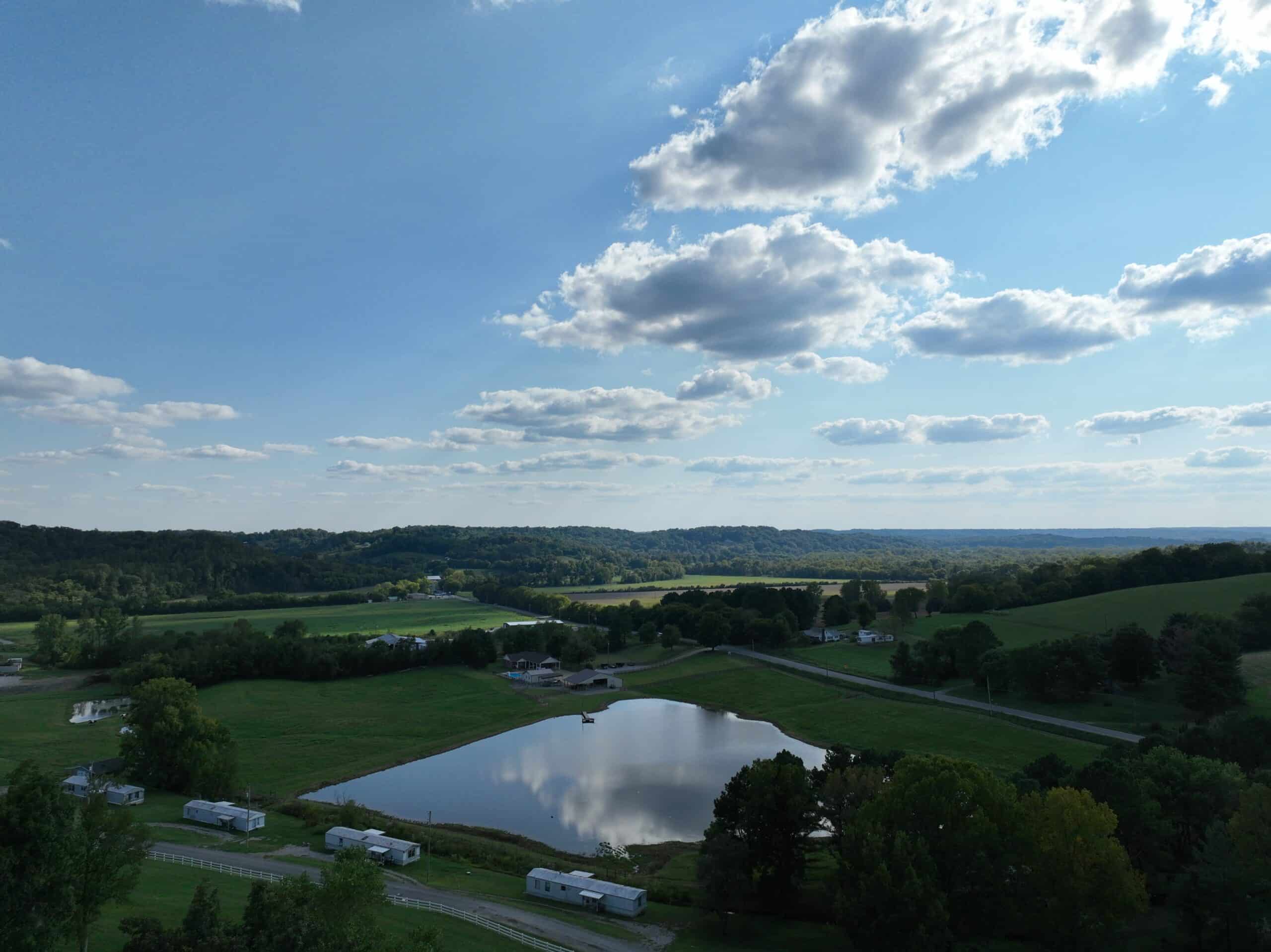
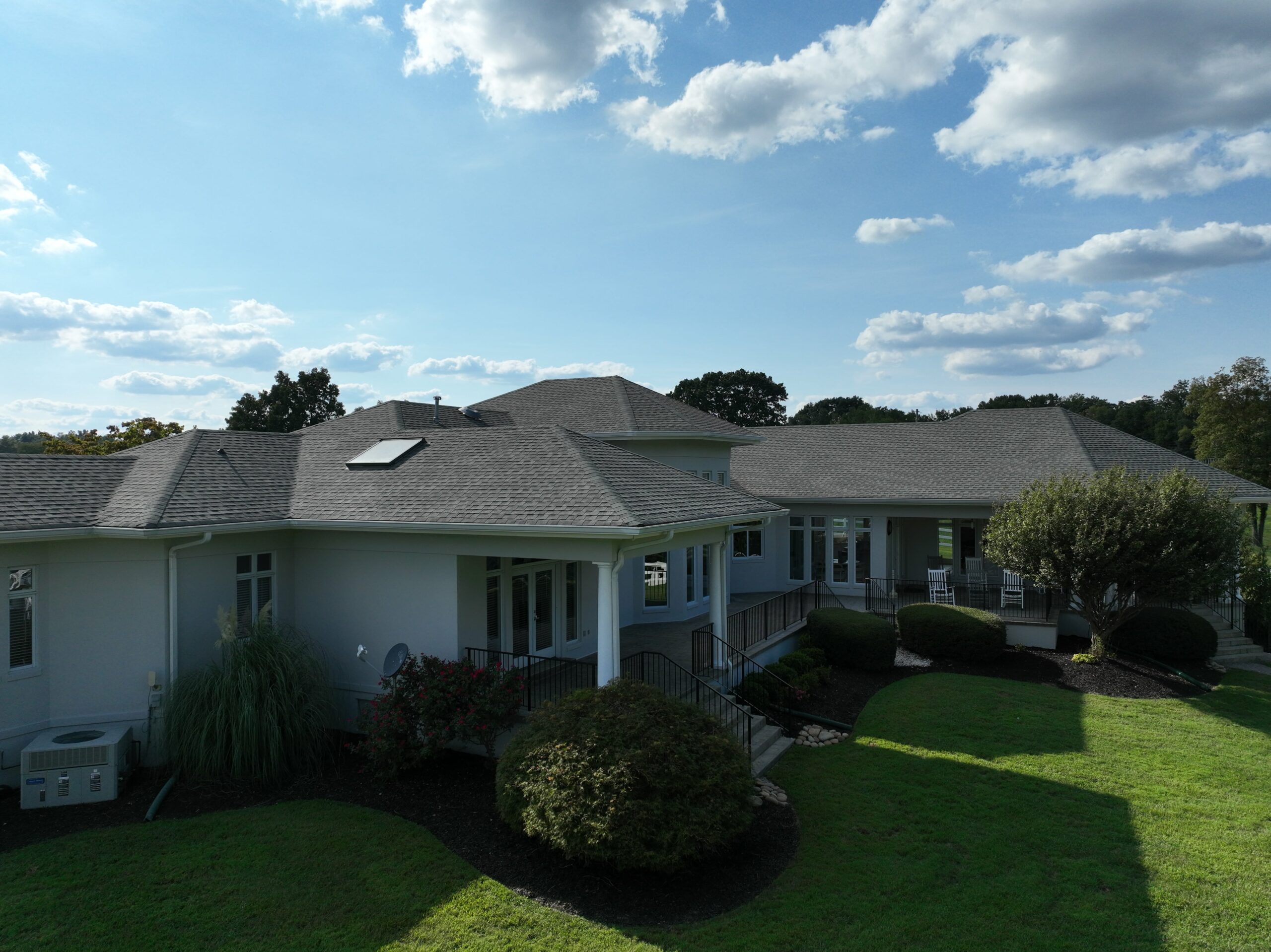
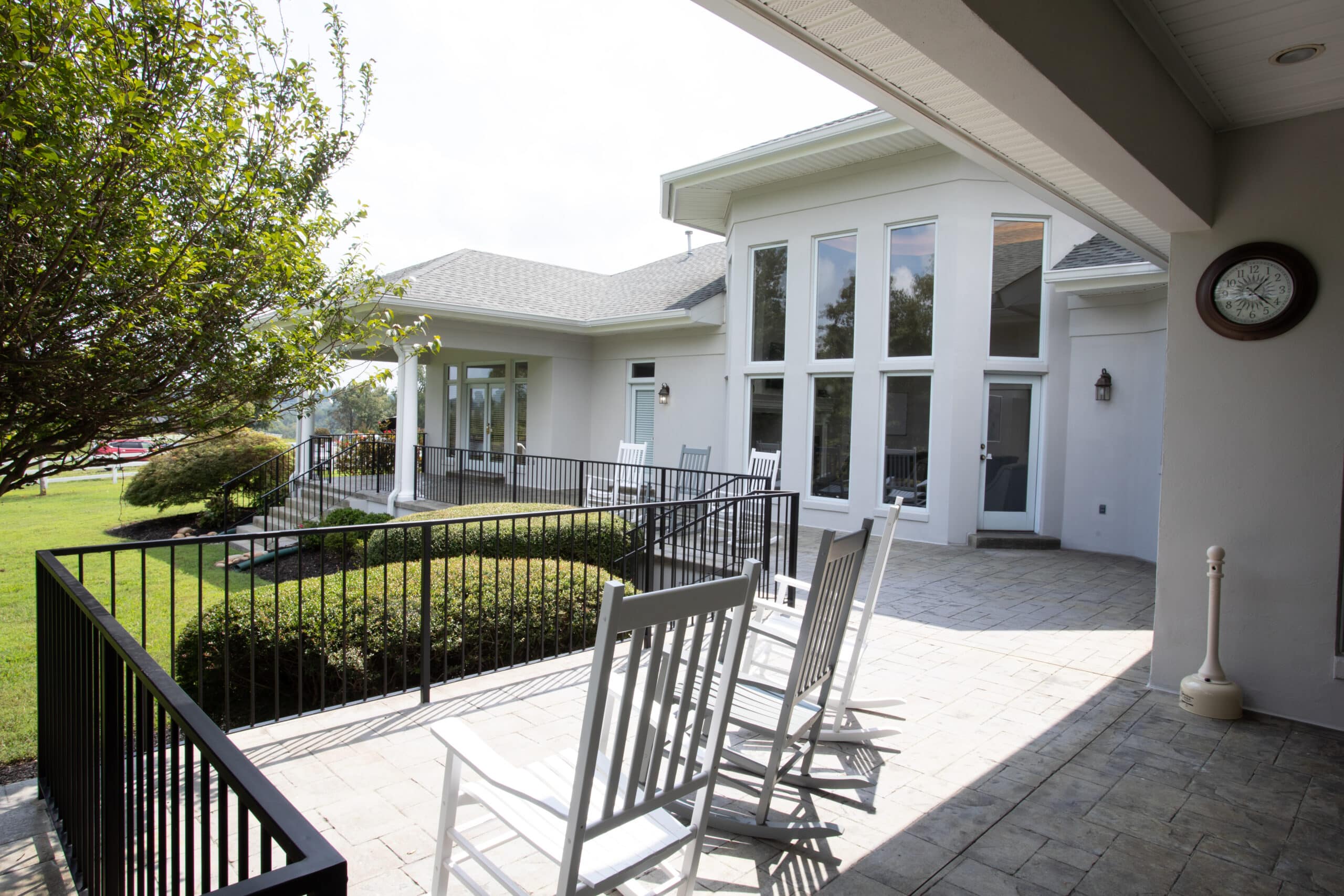
The path to healing and addiction help begins with that single, courageous decision—and our team at Magnolia Ranch Recovery is here to answer your call. We welcome you into a private, secluded Tennessee sanctuary where your journey can unfold, supported by professionals who understand the complexities of dual diagnosis care.
When you contact us, you’re not just scheduling an appointment—you’re opening the door to comprehensive healing. We will gently guide you through that first call, answer all your questions, and help you find clarity.
Our specialized therapies include:
- CBT Therapy to reshape thought patterns.
- DBT Therapy for emotional regulation.
- Meditation and Yoga to reconnect mind and body.
- Art Therapy for creative expression.
- Trauma/PTSD Therapy to heal deep-seated wounds.
- Equine Assisted Therapy for building trust.
With our low client-to-therapist ratio, you’ll receive personalized attention throughout your entire continuum of care—from medical detox through aftercare planning. The serene Tennessee landscape provides the perfect backdrop for self-discovery and renewal.
Taking this brave first step means choosing yourself, your future, and the fulfilling life you deserve. If you’re ready to get help, don’t hesitate.
Contact Magnolia Ranch Recovery today to begin your transformation. Call 844-440-8071 for a confidential, no-pressure conversation.
FAQs (Frequently Asked Questions)
How can I recognize when I need professional addiction help? Recognizing the need for help involves identifying changes in your behavior and emotions that affect relationships, work, and daily life. Key signals include a loss of control over use, continuing to use despite negative consequences, and failed attempts to quit on your own.
What are common barriers to seeking help for addiction? Common barriers include fear of stigma, worries about judgment from family or work, and misunderstand. Misunderstandings about the cost or effectiveness of treatment. Overcoming these involves understanding that addiction is a medical condition, not a moral failing.
How should I prepare for the conversation when asking for help? You don’t need to prepare much, just be ready to be honest. It’s helpful to be direct about your needs, such as: “My substance use is a problem, and I need professional help.”
What benefits does professional care offer for addiction? Professional care offers a safe medical detox, which is crucial for substances like alcohol. It also provides dual diagnosis treatment to heal underlying mental health issues and structured therapy to build new, healthy coping strategies for a lasting recovery.e offers a safe medical detox, which is crucial for substances like alcohol. It also provides dual diagnosis treatment to heal underlying mental health issues and structured therapy to build new, healthy coping strategies for a lasting recovery.
This guide is your first step; the next for addiction help is a simple, confidential conversation. Contact Magnolia Ranch Recovery today to speak with our compassionate admissions team.