


The journey home from military service often brings challenges that extend far beyond the battlefield. Many veterans find themselves grappling with substance use disorders, post-traumatic stress, chronic pain, and the profound difficulty of reintegrating into civilian life. These struggles don’t reflect weakness—they reflect the weight of extraordinary experiences that few can truly understand.
Rehab for veterans requires more than standard treatment approaches. It demands specialized care that honors your service while addressing the unique intersection of trauma, mental health conditions, and addiction. Tennessee offers dedicated programs designed specifically for those who have served, creating spaces where healing can begin in an environment of understanding and respect.
This guide exists to illuminate your path forward. Whether you’re a veteran considering treatment for the first time or a family member seeking answers, these pages will walk you through the essential first steps toward recovery. From understanding what makes veteran-focused rehab different to navigating insurance benefits and choosing the right program, you’ll find the clarity needed to begin building a new chapter—one grounded in hope, healing, and renewed purpose.
Understanding Rehab for Veterans in Tennessee
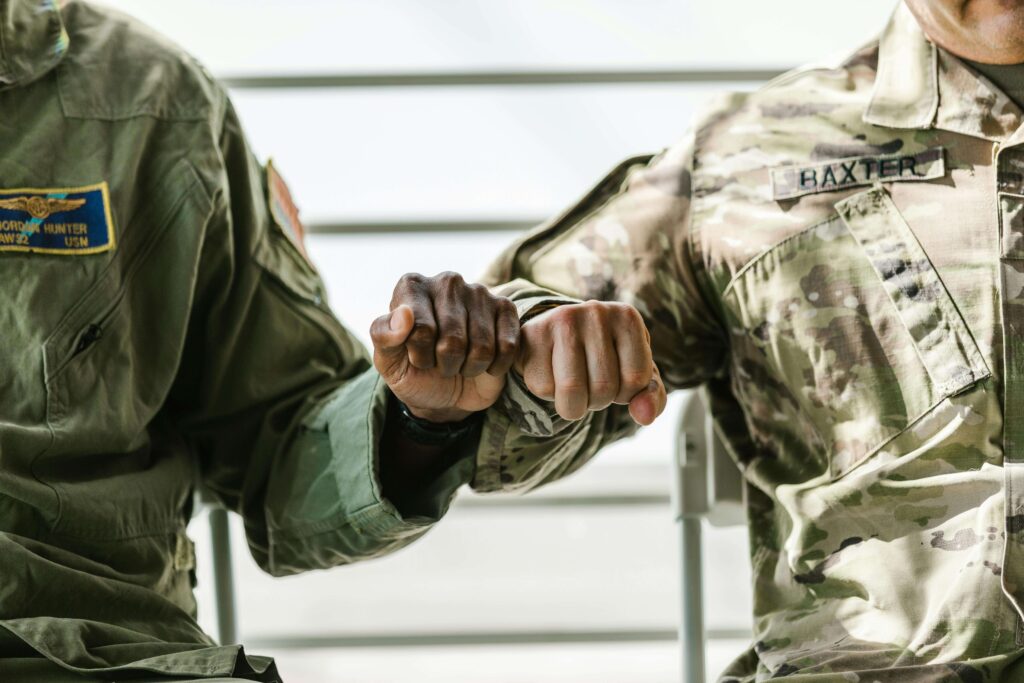
Rehab for Veterans requires a fundamentally different approach than traditional treatment programs. Military service creates distinct psychological and physical impacts that civilian-focused programs may not adequately address. The structured, mission-oriented environment of military life shapes how veterans process experiences, communicate needs, and respond to authority—all factors that influence their recovery journey.
Veterans frequently experience multiple interconnected challenges:
- Post-Traumatic Stress Disorder (PTSD) stemming from combat exposure or military sexual trauma
- Anxiety disorders related to hypervigilance and difficulty adjusting to civilian life
- Depression connected to loss of identity, purpose, or fellow service members
- Chronic pain from service-related injuries
These conditions rarely exist in isolation. When substance use develops as a coping mechanism, it creates a complex web that demands integrated treatment. Trauma-informed care recognizes how military experiences shape a veteran’s worldview, responses to stress, and relationship with vulnerability. This approach creates safety without judgment, allowing veterans to explore their struggles while maintaining dignity and respect for their service.
First Steps to Entering Rehab for Veterans
The first step toward recovery is to contact a facility that understands your journey. Most rehab programs for veterans, including Magnolia Ranch Recovery, offer confidential phone consultations where you can talk openly about your concerns without fear of judgment. This conversation is your gateway into a compassionate system designed specifically for those who have served.
Understanding the Initial Assessment
The initial assessment is a comprehensive evaluation of both substance use patterns and mental health status. Trained professionals will explore:
- The severity and duration of addiction
- Co-occurring mental health conditions such as PTSD or depression
- Physical health considerations and medication needs
- Previous treatment experiences and their outcomes
- Personal goals for recovery and life after treatment
Importance of Insurance Verification
Insurance verification is a crucial early step. Veterans have access to specialized coverage through TRICARE, VA benefits, and TriWest—each offering different levels of support for addiction treatment. Understanding your specific benefits ensures you can focus entirely on healing rather than financial concerns.
Creating Your Personalized Treatment Plan
Your personalized treatment plan comes from this thorough assessment, creating a roadmap that addresses your unique experiences, challenges, and aspirations. This individualized approach recognizes that your path to recovery is as distinct as your service to our country.
Treatment Options Available for Veterans in Tennessee
Veterans seeking recovery have access to a comprehensive range of evidence-based treatment modalities designed to address both addiction and underlying trauma. Understanding these options helps in making informed decisions about the path forward.
Medically-Managed Detoxification
The journey often begins with supervised detox, where medical professionals monitor withdrawal symptoms and provide medications to ease discomfort. This critical phase ensures physical safety while the body clears substances, creating a stable foundation for therapeutic work ahead.
Inpatient Residential Treatment
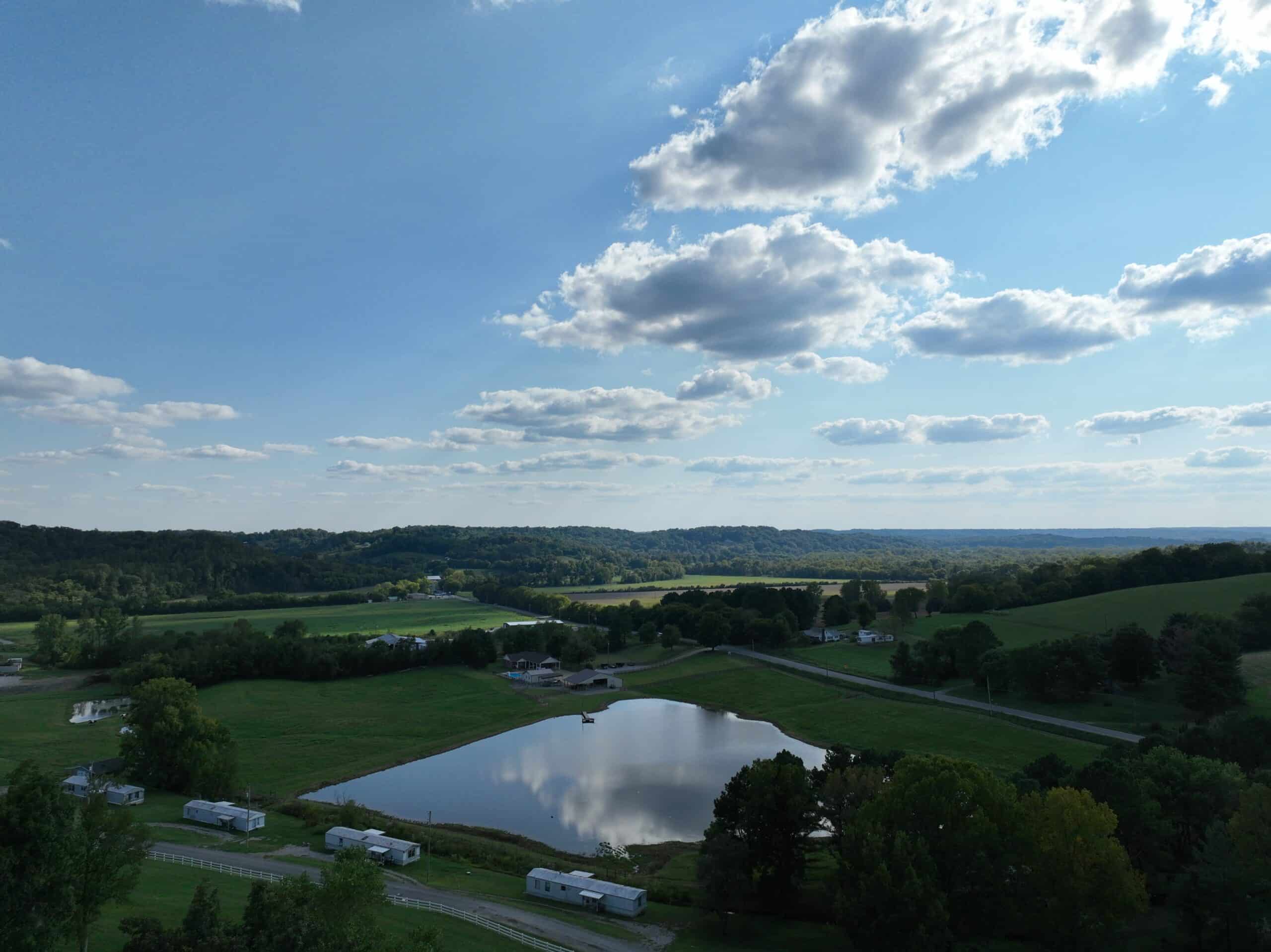
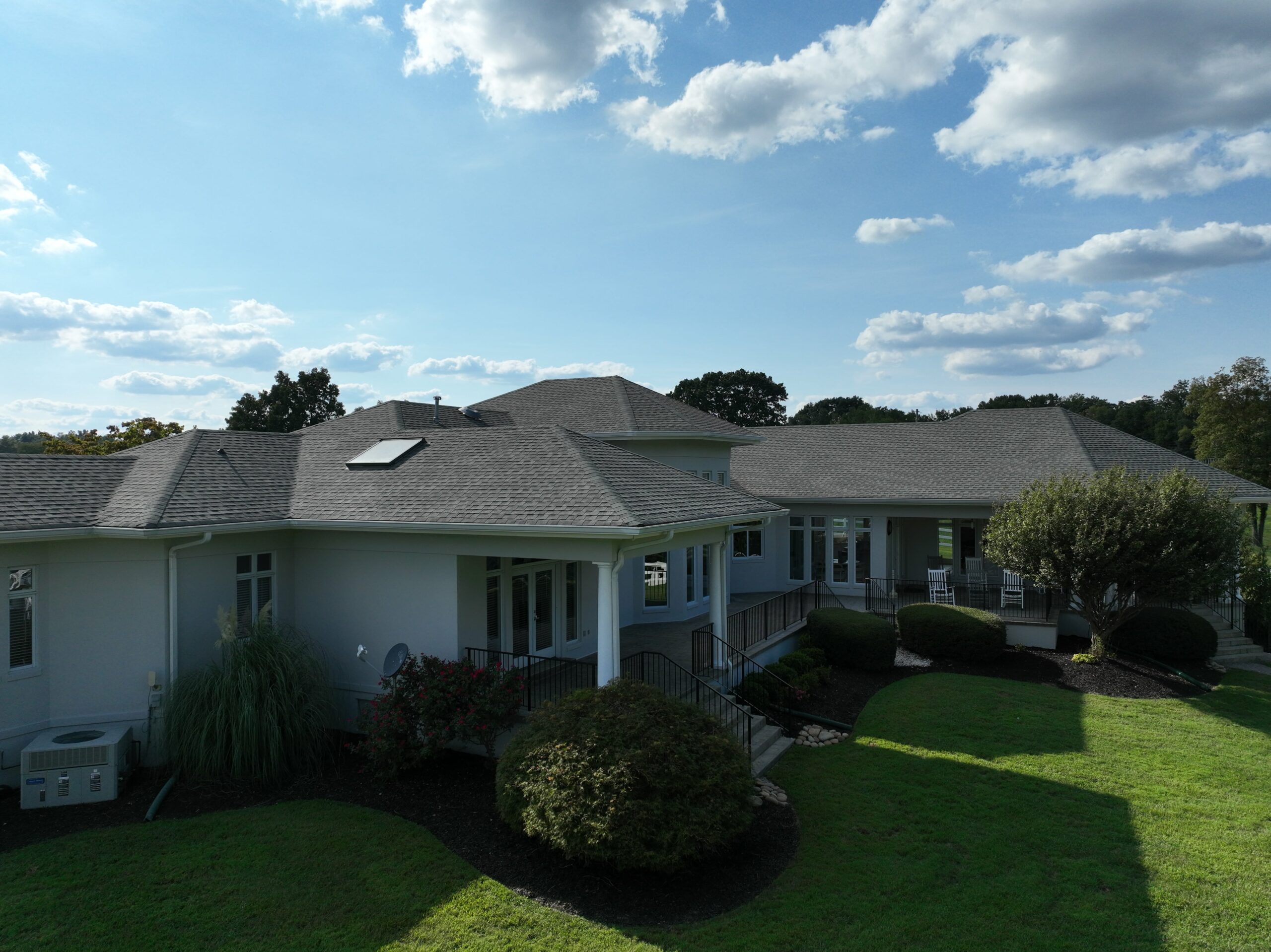
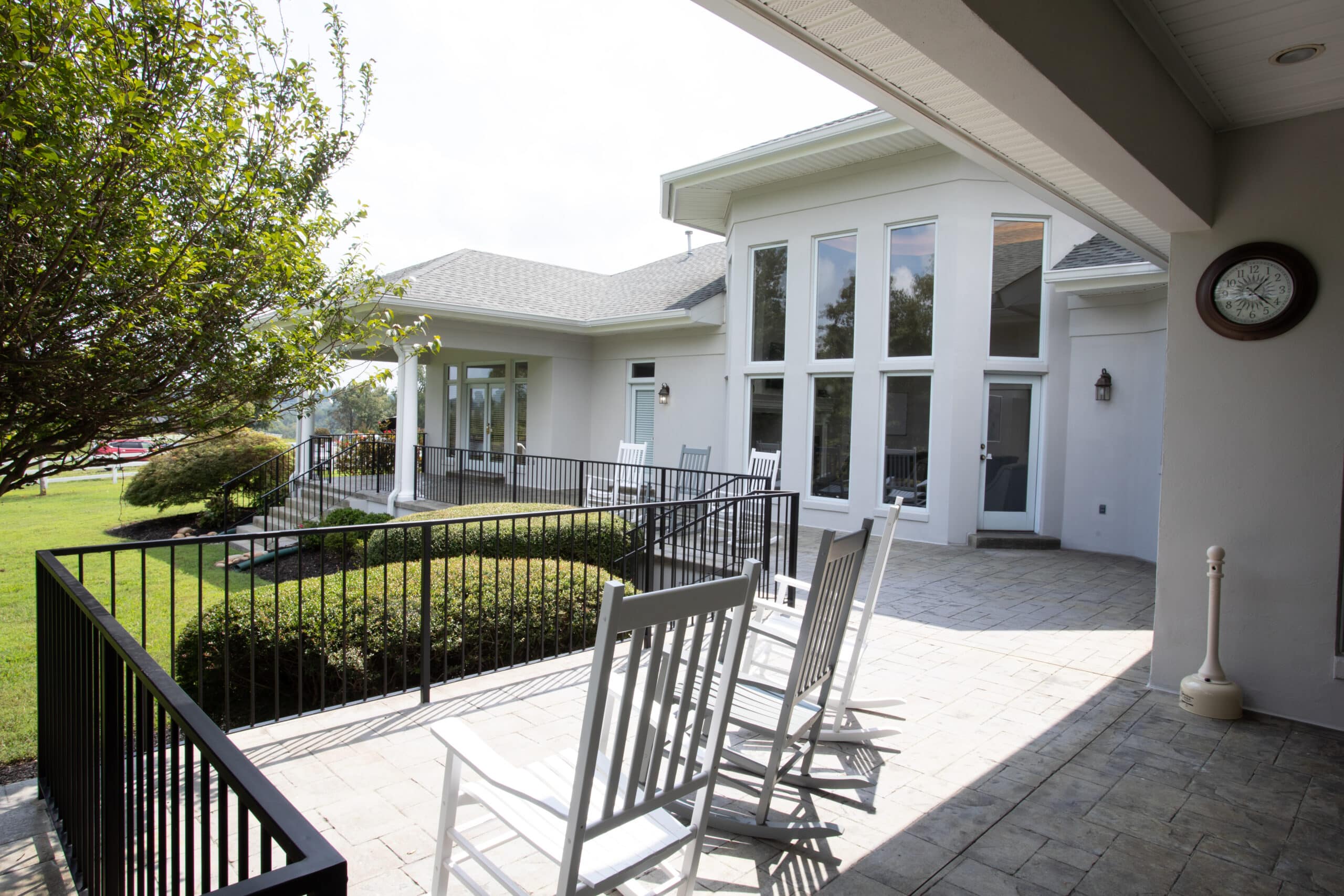
Rehab for veterans thrives in environments that offer complete immersion in healing. Facilities like Magnolia Ranch Recovery provide private, secluded settings where veterans can focus entirely on recovery without external distractions. The serene atmosphere, combined with a low client-to-therapist ratio, allows for deeply personalized care that addresses individual trauma histories and addiction patterns.
Outpatient Programs
For those transitioning from residential care or requiring flexible scheduling:
- Intensive Outpatient Programs (IOP) offer structured therapy several times weekly while allowing veterans to maintain work or family commitments
- Partial Hospitalization Programs (PHP) provide day-long treatment with evening returns home
Specialized Treatment Approaches
Medication-Assisted Treatment (MAT) combines FDA-approved medications with counseling to treat opioid and alcohol dependence. Dual diagnosis care simultaneously addresses co-occurring mental health conditions like PTSD, depression, and anxiety alongside substance use disorders—an essential component of effective rehab for veterans.
This guide is your first step; the next is a confidential conversation with someone who understands your service. Contact Magnolia Ranch Recovery today to speak with our compassionate team.
Specialized Facilities Supporting Veterans in Tennessee
Tennessee offers several dedicated rehab for veterans programs designed to honor the service and sacrifice of military personnel. These specialized centers recognize that veterans require environments where their unique experiences are understood and respected.
Magnolia Ranch Recovery stands out among these facilities through its intentionally intimate approach. The private, secluded setting provides veterans with the space needed for genuine healing, away from the distractions and triggers of everyday life. The low client-to-therapist ratio ensures each veteran receives personalized attention, allowing therapists to develop deep understanding of individual trauma histories and recovery needs.
The continuum of care at veteran-focused facilities extends beyond traditional talk therapy. Treatment approaches include:
- Evidence-based trauma processing techniques specifically adapted for combat-related experiences
- Holistic modalities that address mind-body connections disrupted by service-related stress
- Peer support groups where veterans connect with others who share similar backgrounds
- Family integration programs that rebuild relationships strained by addiction and deployment
This comprehensive framework creates pathways for veterans to process their experiences while developing sustainable recovery skills. The therapeutic environment acknowledges military culture while gently guiding veterans toward civilian wellness strategies.
Addressing Unique Challenges Faced by Veterans During Rehab
The path to recovery presents distinct obstacles for those who have served. Many veterans carry the weight of military culture, where self-reliance and stoicism are deeply ingrained values. This cultural framework can create internal barriers, making the decision to seek rehab feel like an admission of weakness rather than an act of courage. Breaking through this stigma requires understanding that healing from addiction represents the same strength and discipline demonstrated during service.
Breaking Down Barriers to Treatment
The veteran community often struggles with vulnerability, yet authentic recovery demands openness about pain, trauma, and struggle. Specialized rehab programs create environments where service members recognize that seeking help honors their commitment to mission completion—this time, the mission is personal wellness. Peer support from fellow veterans who understand combat stress, deployment challenges, and reintegration difficulties provides validation that civilian-focused programs cannot replicate.
Managing Pain Without Dependence
Chronic pain affects a significant portion of the veteran population, frequently stemming from service-related injuries. Traditional pain management approaches have contributed to opioid dependence among veterans at alarming rates. Rehab for veterans addresses this intersection through:
- Integrated pain management protocols combining physical therapy, acupuncture, and non-addictive medications
- Mindfulness-based stress reduction techniques that alter pain perception
- Biofeedback training to develop body awareness and control
- Movement therapies that rebuild physical strength while reducing discomfort
Confronting Today’s Overdose Crisis
The current drug supply presents unprecedented dangers. Fentanyl contamination has transformed recreational substance use into a life-threatening gamble. Veterans face heightened risks due to tolerance levels developed during active addiction and the unpredictable potency of street drugs. Comprehensive rehab programs implement harm reduction education, naloxone training, and relapse prevention strategies that acknowledge these realities without judgment.
If you or someone you care about has an addiction problem with drugs or alcohol, it’s important to seek help. You deserve to live a life of recovery. Contact us at Magnolia Ranch Recovery today to start your journey towards healing in a safe environment tailored for recovery from addiction in Tennessee.
Comprehensive Support Services Beyond Addiction Treatment
Rehab for veterans extends far beyond addressing substance use disorders alone. True healing requires a holistic approach that prepares individuals for successful reintegration into civilian life. At Magnolia Ranch Recovery, comprehensive support services create a foundation for lasting transformation.
Reintegration Resources
Veterans transitioning back to civilian life benefit from practical assistance that addresses everyday challenges:
- Job training programs that translate military skills into civilian career opportunities
- Housing assistance coordination to ensure stable living arrangements post-treatment
- Educational guidance for those pursuing academic or vocational advancement
- Financial planning resources to establish economic stability
Integrated Mental Health Care
Psychiatric evaluations form an essential component of the treatment process, identifying underlying conditions that may have contributed to substance use. Medication management services provide ongoing support for conditions such as depression, anxiety, and PTSD, ensuring veterans receive appropriate pharmaceutical interventions alongside therapeutic care.
Community and Connection
Peer support groups create spaces where veterans share experiences with others who understand the unique nature of military service. Family involvement programs strengthen relationships that may have been strained by addiction, building a support network that extends beyond the treatment facility. These connections become lifelines during challenging moments in recovery, offering encouragement and accountability when veterans need them most.
Aftercare Planning for Long-Term Success
The journey through rehab for veterans extends well beyond residential treatment completion. A thoughtfully designed transition plan serves as the bridge between intensive care and independent living, incorporating scheduled therapy sessions, community-based mental health services, and structured check-ins that maintain momentum toward lasting recovery.
Magnolia Ranch Recovery’s Drug and Alcohol Aftercare Programs provide continuous treatment as veterans step down from residential care or begin reintegrating into daily life. The program delivers support, guidance, and ongoing follow-up care to ensure each veteran remains firmly on the path toward long-term sobriety. Counselors and therapists develop multi-faceted aftercare plans that typically include:
- Regular communication with dedicated therapists
- Occupational counseling to support career development
- Connections to outside support groups and veteran-specific resources
- Accountability measures that track progress and celebrate achievements
This “soft landing” approach allows veterans to gradually resume their routines while maintaining access to professional therapeutic guidance. Alumni support groups create lasting bonds with fellow veterans who understand the unique challenges of maintaining sobriety after service, transforming the recovery journey from a solitary effort into a shared commitment to wellness and purpose.
Overcoming Access Barriers for Rural Veterans in Tennessee
Tennessee’s rural areas present unique challenges for veterans seeking specialized care. Geographic isolation, limited transportation options, and few mental health resources create significant obstacles between those who served and the rehab for veterans they deserve. Many rural communities lack facilities equipped to address the complex issues of combat trauma and substance use disorders.
Telehealth Services: Bridging the Gap
Telehealth services have become an essential solution for these challenges. Through virtual counseling sessions, remote psychiatric consultations, and online support groups, veterans can now connect with specialized providers regardless of their location. These digital platforms maintain the therapeutic relationship while eliminating long drives to treatment centers.
Community-Based Initiatives: Closing the Gaps
Community-based initiatives are actively working to address any remaining gaps in care. Mobile outreach teams travel to underserved counties, conducting assessments and facilitating connections to comprehensive care. Local VA clinics partner with private facilities like Magnolia Ranch Recovery to create referral networks that honor veterans’ preferences for treatment settings. Additionally, faith-based organizations and veteran service groups host awareness events that reduce stigma while educating families about available resources.
Start Your Rehab Journey Today: Reach Out For Help!
Taking the first step toward healing requires courage—courage you’ve already demonstrated through your service. Rehab for veterans at Magnolia Ranch Recovery offers a path forward, designed specifically around the experiences and challenges you face. Our compassionate team understands the weight of what you carry and stands ready to walk alongside you.
You deserve specialized care that honors your service while addressing your unique needs. Whether you’re struggling with substance use, PTSD, or both, our private Tennessee facility provides the serene environment necessary for genuine transformation.
Your new life begins with a single phone call. Reach out today to discover how our veteran-focused program can help you reclaim the future you’ve earned.
FAQs (Frequently Asked Questions)
Why do veterans in Tennessee require specialized rehab programs?
Veterans in Tennessee face unique challenges such as PTSD, traumatic brain injuries, and co-occurring mental health disorders that contribute to substance abuse. Specialized rehab programs provide trauma-informed care tailored to these specific needs, improving the chances of successful recovery.
What types of treatment options are available for veterans at Magnolia Ranch Recovery in Tennessee?
Magnolia Ranch Recovery offers a range of evidence-based treatments including medically-managed detoxification, inpatient residential treatment in a serene setting, and dual diagnosis care tailored for veterans.
How does Magnolia Ranch Recovery support veterans during their recovery journey?
The facility provides a holistic approach addressing physical, emotional, and spiritual well-being through individual counseling, group therapy, experiential activities such as equine therapy, yoga, meditation, and peer support. This creates a safe environment where veterans feel understood and receive personalized treatment plans.
What are the first steps for a veteran in Tennessee to enter rehab at Magnolia Ranch Recovery?
Veterans should initiate contact with the rehab facility to undergo an initial assessment evaluating addiction severity and mental health. It’s important to verify insurance coverage including TRICARE, VA benefits, or TriWest. Based on the assessment, a personalized treatment plan is developed to meet individual needs.
How does Magnolia Ranch Recovery address the stigma veterans face when seeking help for addiction?
Magnolia Ranch Recovery fosters a supportive community where veterans can connect with peers who share similar experiences. The program emphasizes trauma-informed care and educates about managing chronic pain safely without opioid dependence while raising awareness about overdose risks including fentanyl exposure.
Why is trauma-informed care important in rehab programs for veterans in Tennessee?
Trauma-informed care recognizes the impact of military-related trauma such as PTSD on addiction. By addressing these underlying issues sensitively within rehab programs, veterans receive comprehensive support that targets both substance use disorders and co-occurring mental health conditions leading to more effective long-term recovery outcomes.
You don’t have to navigate this path alone. Reach out to Magnolia Ranch Recovery to learn how our specialized programs for veterans can support your recovery journey.