


When a family member makes the brave decision to seek treatment for a substance use disorder, it brings a massive wave of relief—but it also brings a flood of logistical and emotional questions. Families often find themselves entering their own state of overwhelming uncertainty, wondering: “What happens during detox? What can they bring? How do we communicate with them while they are away?”
According to public health data, addiction and substance abuse have become the leading cause of death for Americans under the age of 50, largely driven by the prescription drug and overdose epidemic impacting communities nationwide. The power of chemical dependency is strong enough to ravage communities and dismantle family units. Because addiction is a true family disease, successful, long-term healing requires a unified, well-prepared support system from day one.
At Magnolia Ranch Recovery in Pulaski, Tennessee, our goal is to make every single resident and their family members feel comfortable, safe, and thoroughly informed. If you are preparing for this transition, understanding what families should know before a loved one enters rehab will help your entire household approach the intake process with absolute clarity and peace of mind.
The Initial Phases of Treatment and Timelines

The transition into a residential facility follows a structured, step-by-step clinical progression designed to prioritize safety and comfort above all else. Families should understand the two primary on-site phases their loved one will navigate:
The Detoxification Period
Often, the fear of suffering through withdrawal is one of the main obstacles standing in the way of recovery. Because withdrawal symptoms can be incredibly intense and sometimes even life-threatening, attempting to power through at home is highly dangerous and frequently results in a vicious cycle of relapse.
During the initial detox phase, clients undergo a physical cleansing of the body to rid it of toxic substances under 24-hour, 100% supervised medical care. Our licensed clinical team meticulously administers medications to eliminate painful withdrawal symptoms, ensuring a restful and safe detoxification. On average, clients spend anywhere from 4 to 7 days in this phase. During detox, clients stay entirely on-premises and are provided with all meals, toiletries, and necessary comforts.
The Residential Addiction Treatment Phase
Once physically stabilized, residents transition into the residential rehabilitation portion of our program. This phase provides a private, 24-hour supervised safe haven for self-discovery, character rebuilding, and self-reflection. Residents are fully immersed in ongoing, seven-day-a-week therapeutic care.
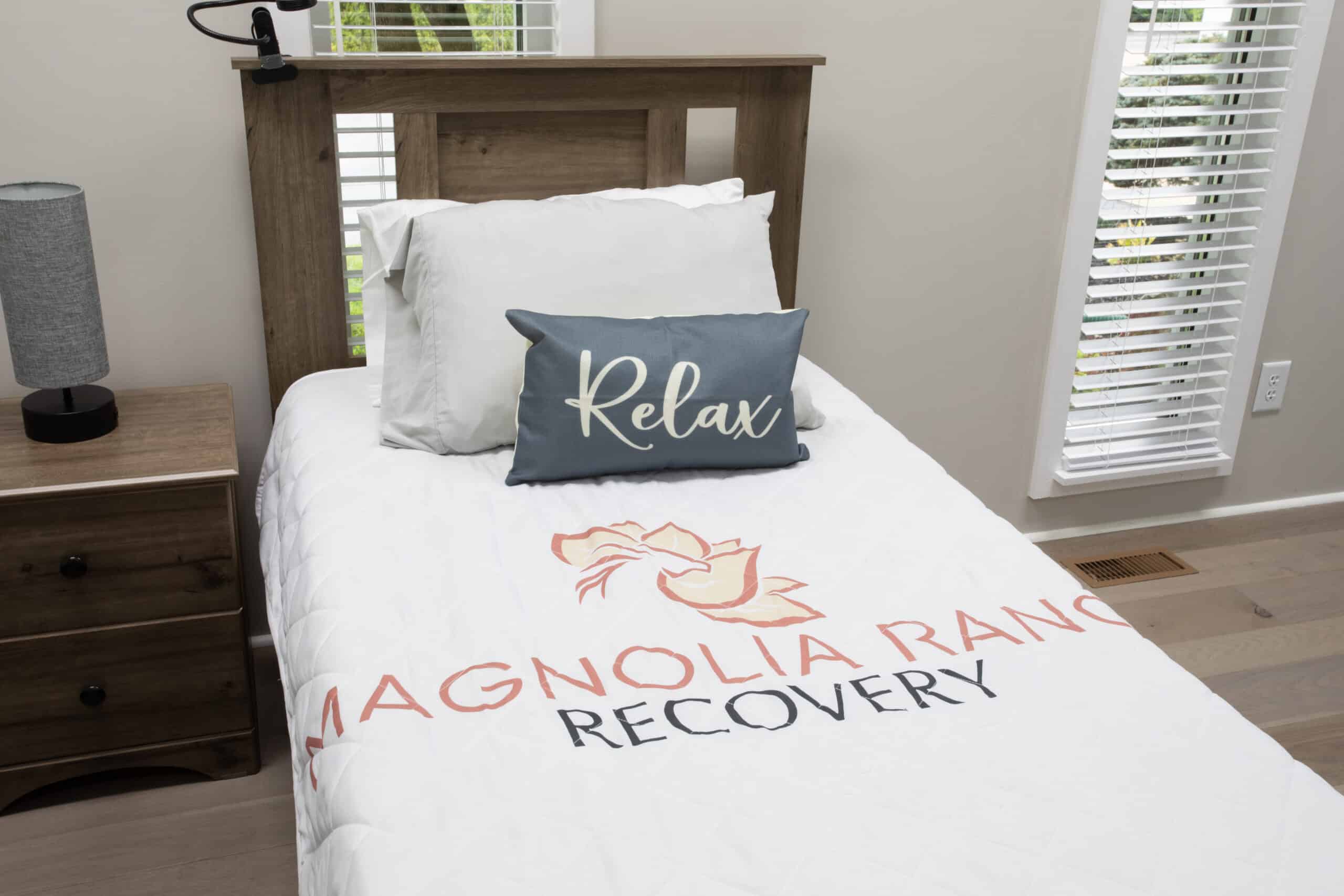
While lodging in fully appointed accommodations at night, residents undergo a strategically balanced mix of individual therapy, group dynamic sessions, and life skills classes during the day. This comprehensive structure ensures that individuals unearth the underlying reasons for their addiction while learning proven coping techniques to maintain lifelong sobriety.
What to Pack: The Discretion Checklist

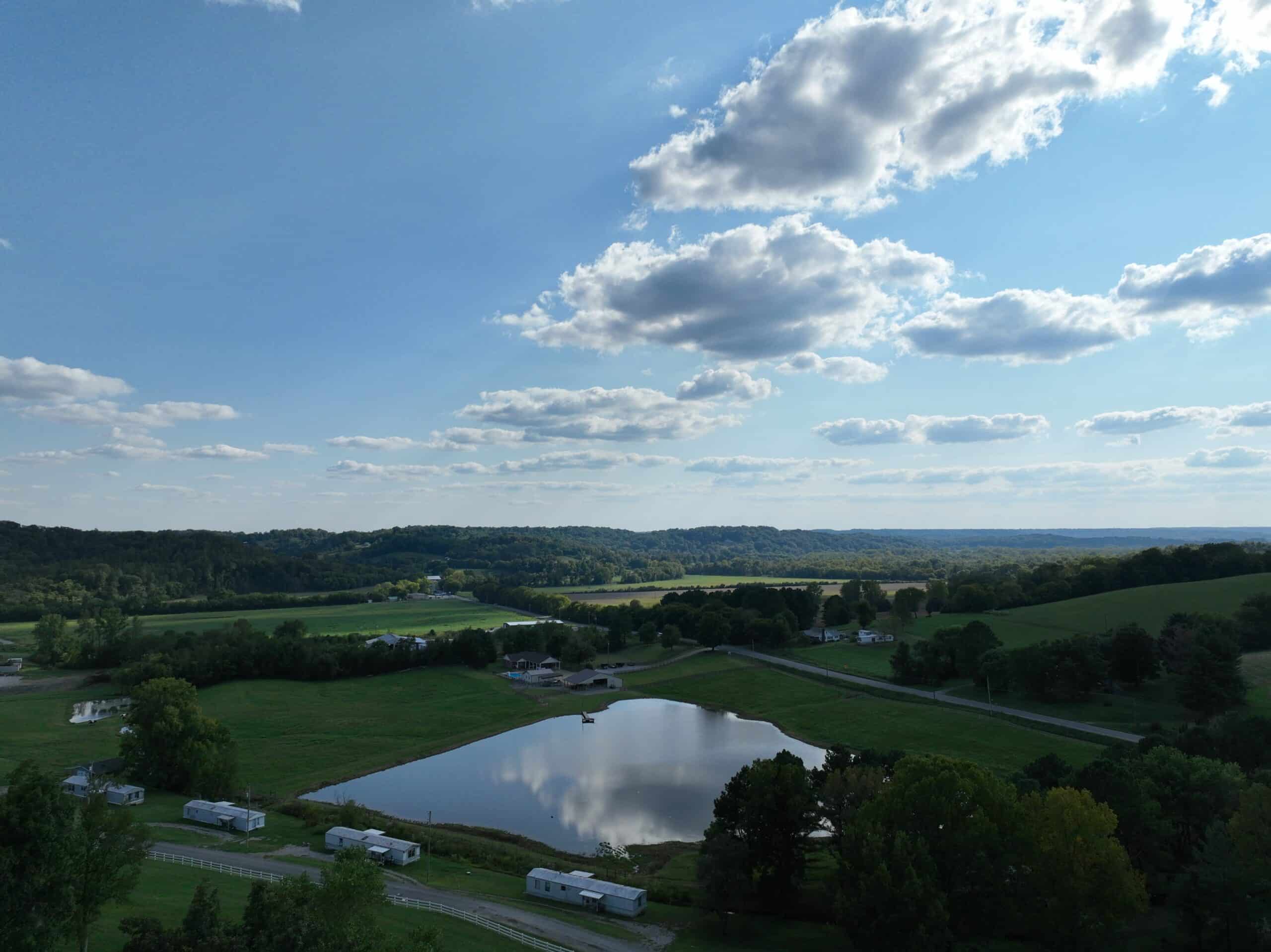
One of the most immediate logistical tasks for families is helping their loved one pack for their inpatient stay. When preparing a suitcase for residential treatment, simplicity and functionality are key. Our facility is located in the peaceful foothills of Tennessee, and residents need comfortable clothing suited for an active recovery environment.
Essential Items to Bring:
- A valid photo ID (such as a driver’s license or passport)
- Active medical insurance cards
- A comprehensive list of all current medications, including precise dosages and noted medicinal allergies
- Enough comfortable clothing and supportive shoes to last for one week (laundry facilities are accessible on-site)
Items to Leave at Home:
To cultivate an environment that is entirely focused on healing, outside distractions must be minimized. While Magnolia Ranch Recovery features modern comforts—such as full-time in-house chefs, state-of-the-art electronics, and on-site computers that can be accessed during designated “computer time”—unapproved personal electronics, outside food, or products containing alcohol are restricted to maintain a secure, clinically sound campus.
Communications and the Weekly Family Track
A common point of anxiety for families is understanding how and when they will be able to speak to their loved one during residential rehab. Inpatient programs are carefully phased to give clients the space they need to focus completely on their emotional and mental transformation.
- Initial Boundaries: As a resident progresses through the early stages of their program, phone privileges are systematically introduced as a reward for behavioral consistency and therapeutic engagement. Restricting open, unmonitored cell phone access early on is a vital clinical tool that prevents outside stressors or old enabling networks from disrupting early nervous system regulation.
- Structured Family Sessions: Families are not excluded from the recovery journey. Family dynamic sessions take place weekly, facilitated directly by the resident’s personal primary therapist. These sessions are designed to repair communication fractures, address codependency, and help the entire family system build healthy boundaries together.
A Multi-Layered, Tailored Treatment Suite
Families should know that recovery at our Joint Commission accredited facility moves far beyond basic abstinence. Each resident is matched with an exclusively personalized treatment track tailored to their unique physical, psychiatric, and emotional needs.
Every inpatient stay includes a dedicated, 1-hour weekly one-on-one session with a primary therapist, alongside daily participation in structured groups and experiential life skills classes:
- Evidence-Based & Expressive Therapies: Integrating standard cognitive behavioral strategies with Art Therapy, Music Therapy, and focused groups examining Feelings, Moods, and Thoughts.
- Somatic and Physical Balance: Incorporating regular Yoga, Meditation, Nutrition counseling, and physical Wellness classes to restore bodily equilibrium.
- Spirituality & 12-Step Basics: While we are not a strict 12-step program, we introduce residents to recovery basics and host on-site 12-step meetings throughout the week, allowing individuals to explore peer support paths that resonate with them.
- Optional Equine-Assisted Psychotherapy: An experiential modality where residents can interact with horses to build non-verbal trust, practice emotional control, and mirror real-time relational boundaries.
Preparing for the Continuum: Aftercare and Relapse Realities
True recovery does not end when a resident completes their residential stay. Families should know that long-term success is heavily dependent on a proactive step-down strategy. At Magnolia Ranch Recovery, our aftercare planners work directly with leading regional specialists across the country to match each graduate with an effective, localized step-down model that meets their ongoing needs.
Here is the expanded section, integrating the exact philosophical principles, core clinical definitions, and explicit educational goals taught in the relapse prevention curriculum at Magnolia Ranch Recovery:
Preparing for the Continuum: Aftercare and Relapse Realities
True recovery does not end when a resident completes their residential stay. Families should know that long-term success is heavily dependent on a proactive step-down strategy. At Magnolia Ranch Recovery, our aftercare planners work directly with leading regional specialists across the country to match each graduate with an effective, localized step-down model that meets their ongoing needs.
This continuum of care typically transitions through:
- Intensive Outpatient Programming (IOP): Delivering structured, multi-hour therapeutic groups several days a week while allowing the individual to return to work or independent living.
- Outpatient Programming (OP): A lower-intensity track requiring between 1 and 6 hours of weekly programming alongside a 1-hour weekly individual therapy session, providing continued support as the client reaches closer to the 90-day mark of sobriety.
Understanding the Internal Architecture of Relapse Prevention
At Magnolia Ranch Recovery, we firmly believe that Tennessee Relapse Prevention is possible with the proper preventative tools; resorting back to old ways can always be avoided. Relapse prevention is the foundational reason most people seek professional treatment in the first place. By the time an individual decides to seek help, they have usually already tried to quit using substances on their own and are looking for a better, more sustainable solution. Attempting to navigate early recovery alone can quickly leave someone feeling in over their head, lacking the proper guidance from an expert who can help keep track of what works best while steering completely clear of what does not work at all.
Every individual experiences the process of relapse in varying ways, though it can always be prevented. While it is a common reality for many in the recovery community, relapse is not a mandatory part of the recovery process. Our clinical team dedicates a significant portion of our residential relapse prevention classes to instilling actionable, concrete tools that residents can actively refer to if the signs of reversion begin presenting themselves.
To help families understand how to best support their loved one, it is critical to know that in most instances, a relapse begins as an emotional and mental experience long before it ever shifts into a physical relapse. If these subtle internal markers are caught early on, it is highly possible to identify and reverse them through a combination of professional intervention and personal self-determination.
Our Tennessee relapse prevention classes teach residents to recognize the early stages of a relapse loop, which can often be interrupted and prevented with simple behavioral acknowledgments and quick changes in daily actions. Our curriculum focuses intensely on teaching residents to recognize three major early warning signs:
- Identifying Isolation: Residents are trained to notice when they are slipping into patterns of social or emotional withdrawal and are taught to actively practice reaching out for help before their cravings escalate.
- Managing High Stress Reactivity: Because unmanaged physical tension frequently triggers an urge to use, residents learn to immediately recognize physical signs of anxiety and actively practice specialized relaxation techniques.
- Utilizing Core Coping Mechanisms: These physical and mental behavioral anchors prove entirely essential when an individual is entering the beginning stages of an emotional or mental relapse, providing them with an automatic exit strategy.
Should a physical relapse occur and a loved one feels deeply threatened by their current circumstances, the most important thing a family can do is call the treatment facility immediately. Our team can help you find out if we have immediate residential availability so that your loved one can maneuver back into a safe, highly supervised environment to realign their goals.
Addressing the Reality of Relapse
Relapse is not a required step of recovery, but it is often a clinical reality of chronic substance use disorders. Families must understand that a relapse does not mean treatment failed; rather, it indicates that the recovery plan needs modification or reinforcement.
Rehab equips individuals with the tools to navigate a slip safely. If a relapse occurs and a loved one is threatened by their circumstance, the first step the family should take is to contact the treatment facility immediately to evaluate current availability and maneuver them back into a safe, supervised, and supportive environment.
Frequently Asked Questions Regarding Admissions
How long does the residential rehabilitation program last?
At Magnolia Ranch Recovery, your program of recovery starts and ends when you need it to. We offer varying, flexible lengths of stay based on individual clinical progress. Our built-in step-down opportunities ensure that every resident can reach their short-term and long-term recovery goals at their own pace.
How much does inpatient rehab cost, and is insurance accepted?
Inpatient rehab costs vary based on the specific treatment track and length of stay required for your case. Magnolia Ranch Recovery accepts a wide variety of private commercial insurance plans, which frequently cover a significant portion of the stay. Our admissions counselors provide a thorough coverage analysis over the phone. If your insurance does not cover treatment, our team can discuss alternative payment structures or guide you toward scholarship and grant opportunities available through SAMHSA.
Can pre-existing medical conditions be managed during residential treatment?
Yes. Our licensed staff of physicians and recovery specialists are fully equipped to address pre-existing physical or psychological conditions alongside addiction treatment. Your care plan is continuously monitored and adjusted by medical professionals to ensure total health, safety, and wellness support throughout your stay.
Take the First Step with Absolute Confidence
Watching a loved one battle a substance use disorder is an exhausting, heartbreaking experience, but stepping into residential rehabilitation provides a clear path back to stability. By understanding what to expect from the logistics, clinical phases, and family sessions of inpatient rehab, your household can become an active, empowered anchor for your loved one’s long-term sobriety.
Key Takeaways
- Shared System: Addiction impacts the entire household; long-term recovery succeeds when families actively participate in weekly therapist-led family sessions.
- Clinical Prioritization: Intensive psychological treatment can only begin effectively after the body is cleared of withdrawal symptoms via 24/7 medically supervised detox.
- Tailored Immersion: Residents undergo a seven-day-a-week therapeutic schedule incorporating individual therapy, life skills, and unique modalities like equine-assisted care.
- Discreet Preparation: Packing should be kept minimal and comfortable, focusing solely on essential items, photo identification, and a one-week supply of clothing.
- Aftercare Scaffolding: Sustainable recovery relies on transition planning, utilizing aftercare coordinators to match residents with local IOP or outpatient step-down care.
Our historic, private sanctuary in the peaceful foothills of Tennessee is fully equipped to keep your loved one comfortable, safe, and supported. If you are ready to explore our personalized treatment tracks or have remaining questions about the intake process, please contact our trained representatives at Magnolia Ranch Recovery today.