


When you or a loved one make the brave, life-saving decision to enter an addiction treatment center, a flood of logistical questions naturally follows. Among the most common and pressing inquiries families face is a direct one: How long should you stay in residential rehab?
It is completely natural to want a rigid, definitive timeline before packing your bags. You have a career to maintain, family obligations to protect, and a life outside of clinical treatment that you are eager to return to. Many individuals enter the system hoping that a brief stay will serve as a permanent fix. However, the behavioral science and clinical neurobiology of substance use disorders tell a far more nuanced story.
Because chronic drug or alcohol dependence structurally alters the brain’s chemistry over months or years, real, lasting neurological rewiring cannot be measured by a uniform calendar. At Magnolia Ranch Recovery in Tennessee, we reject the idea of a “one-size-fits-all” approach to treatment.
The definitive answer is that your stay in residential rehab should last until you have successfully met your personal clinical milestones—moving smoothly from acute medical stabilization to deep behavioral therapy and comprehensive relapse prevention.
This comprehensive guide breaks down the critical variables that dictate an inpatient timeline, explores what a highly structured day of residential care looks like, and outlines how our fully accredited Tennessee facility ensures a safe, comfortable, and milestone-driven journey toward lasting sobriety.
Why Trying to Detox at Home Fuels the Cycle of Relapse

Often, the fear of suffering through unassisted withdrawal is one of the main obstacles that stands in the way of recovery. Attempting to clear substances from your system alone at home is highly discouraged and introduces severe, sometimes life-threatening risks:
Medical Complications and Overdose Danger
Withdrawing from alcohol and certain medications like benzodiazepines (such as Xanax or Valium) carries a severe withdrawal syndrome that includes extreme anxiety, hallucinations, tremors, and potentially fatal grand mal seizures.
Furthermore, because an individual’s physical tolerance drops rapidly during a brief period of abstinence, an unassisted home detox frequently results in a vicious cycle of relapse. If a person returns to using their previous daily doses to quell unbearable side effects, the central nervous system can easily become overwhelmed, leading to a fatal accidental overdose.
Severe Depressive Symptoms and Psychosis
Withdrawal from specific stimulants like cocaine or methamphetamine can cause intense psychological withdrawal symptoms, including profound clinical depression, erratic behavior, paranoia, and full-blown psychosis featuring visual or auditory hallucinations.
Without 24/7 medical oversight and psychiatric monitoring to manage these suicidal thoughts and behavioral emergencies, individuals are at a massive risk of hurting themselves or others.
Unmanaged Physical Discomfort
Opioid withdrawal (from heroin or prescription painkillers like oxycodone and hydrocodone) triggers severe muscle aches, intense bone and joint pain, runny noses, insomnia, and debilitating gastrointestinal distress.
While not inherently fatal, the sheer intensity of this discomfort creates an overwhelming biological craving to stop the pain by using again, causing independent attempts to fail within the first several hours.
What Does Science Say? The Correlation Between Time and Long-Term Sobriety
According to the Principles of Drug Addiction Treatment published by the National Institute on Drug Abuse (NIDA), effective treatment outcomes are directly correlated with the duration and depth of the care received. NIDA stresses that merely completing a medical detox program is just a first step—it is not a complete treatment, no matter what substance the patient is breaking free from.
To permanently break the bonds of physical addiction without causing undue distress, an individual must transition directly from detox into a highly structured residential inpatient rehab program. This allows the brain’s dopamine and serotonin receptors ample time to heal from chronic toxic exposure while giving the client the cognitive space needed to master critical life skills and evidence-based coping techniques.
What a Comprehensive Day Looks Like at Magnolia Ranch Recovery
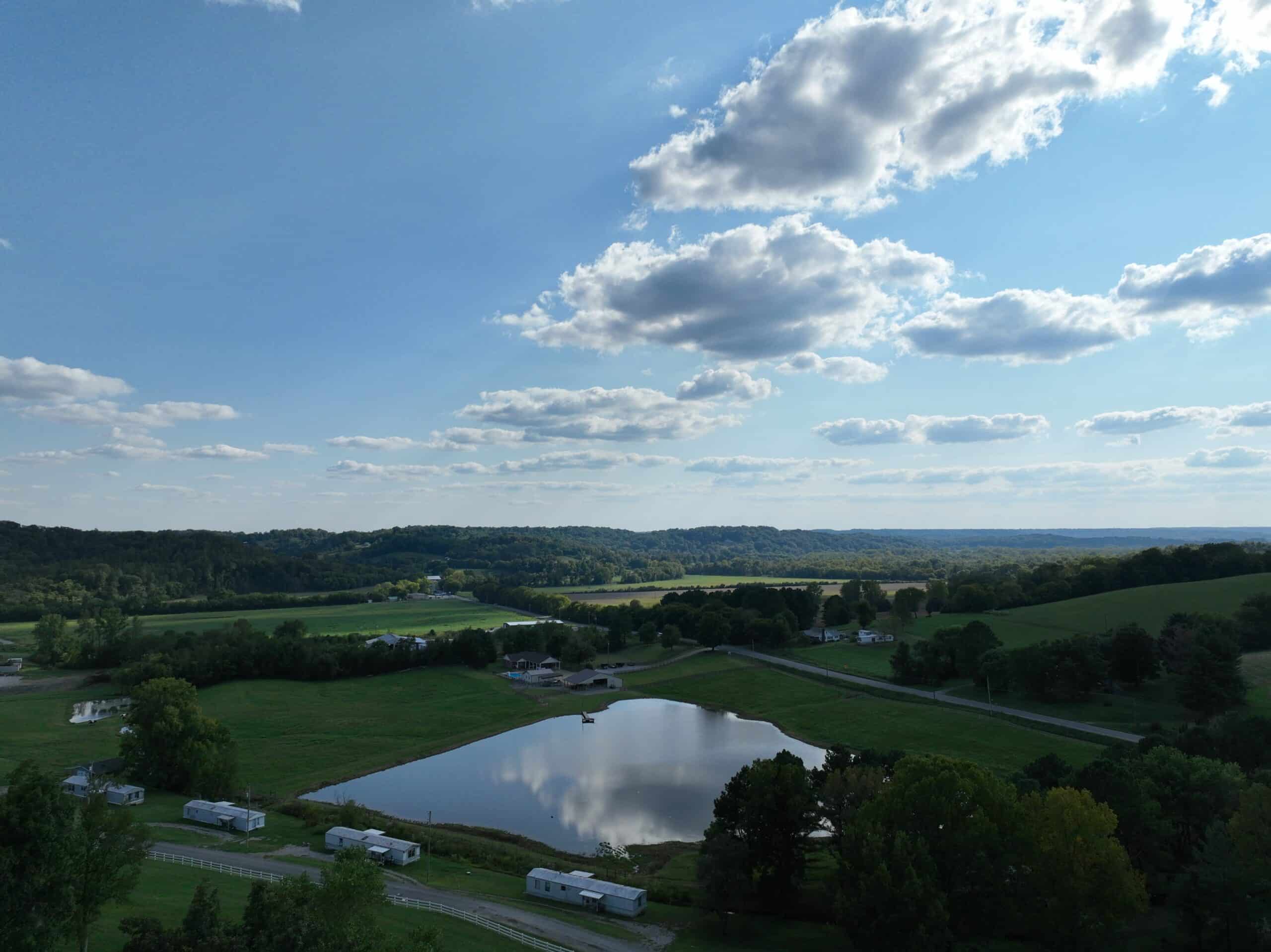
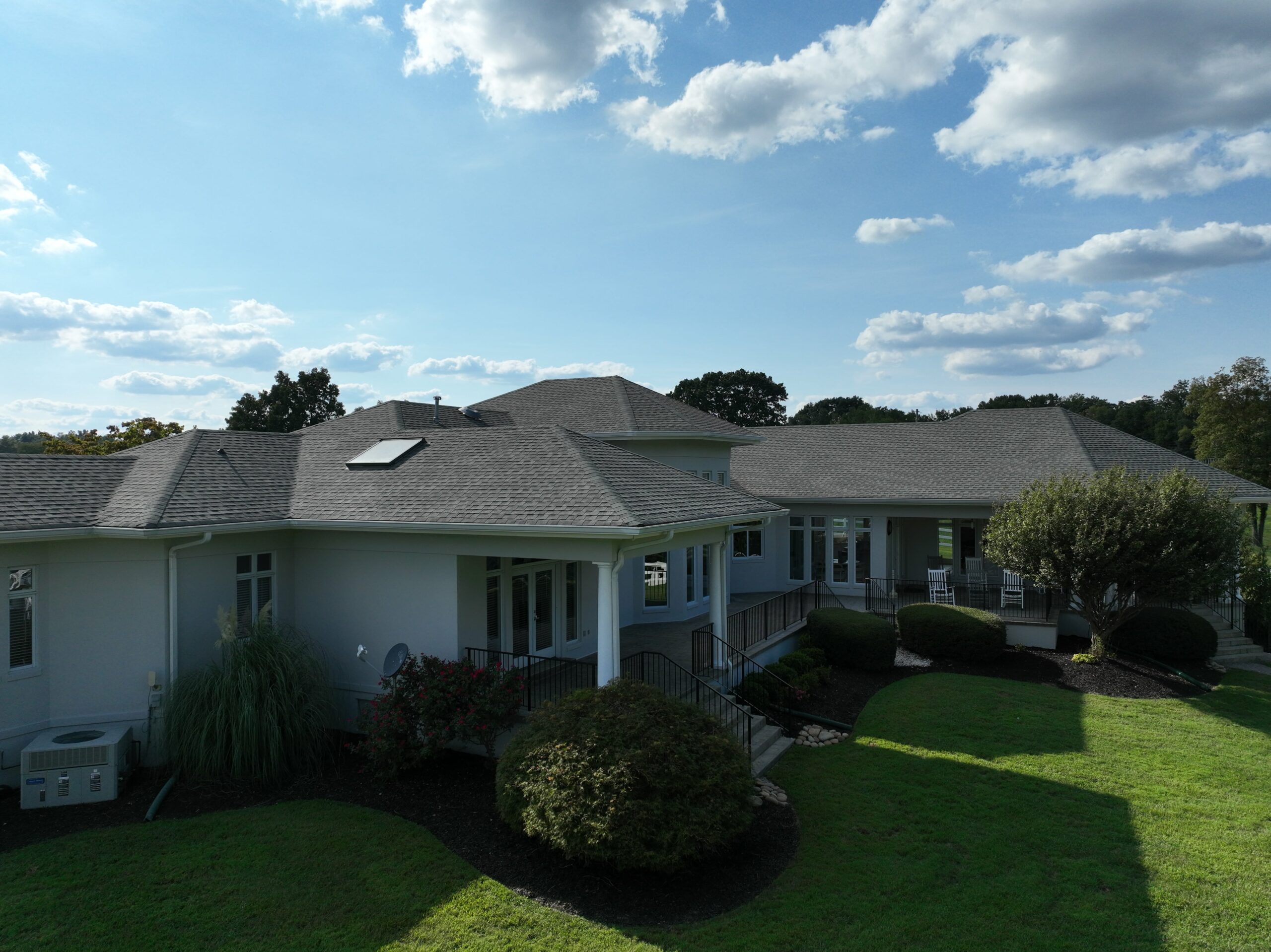
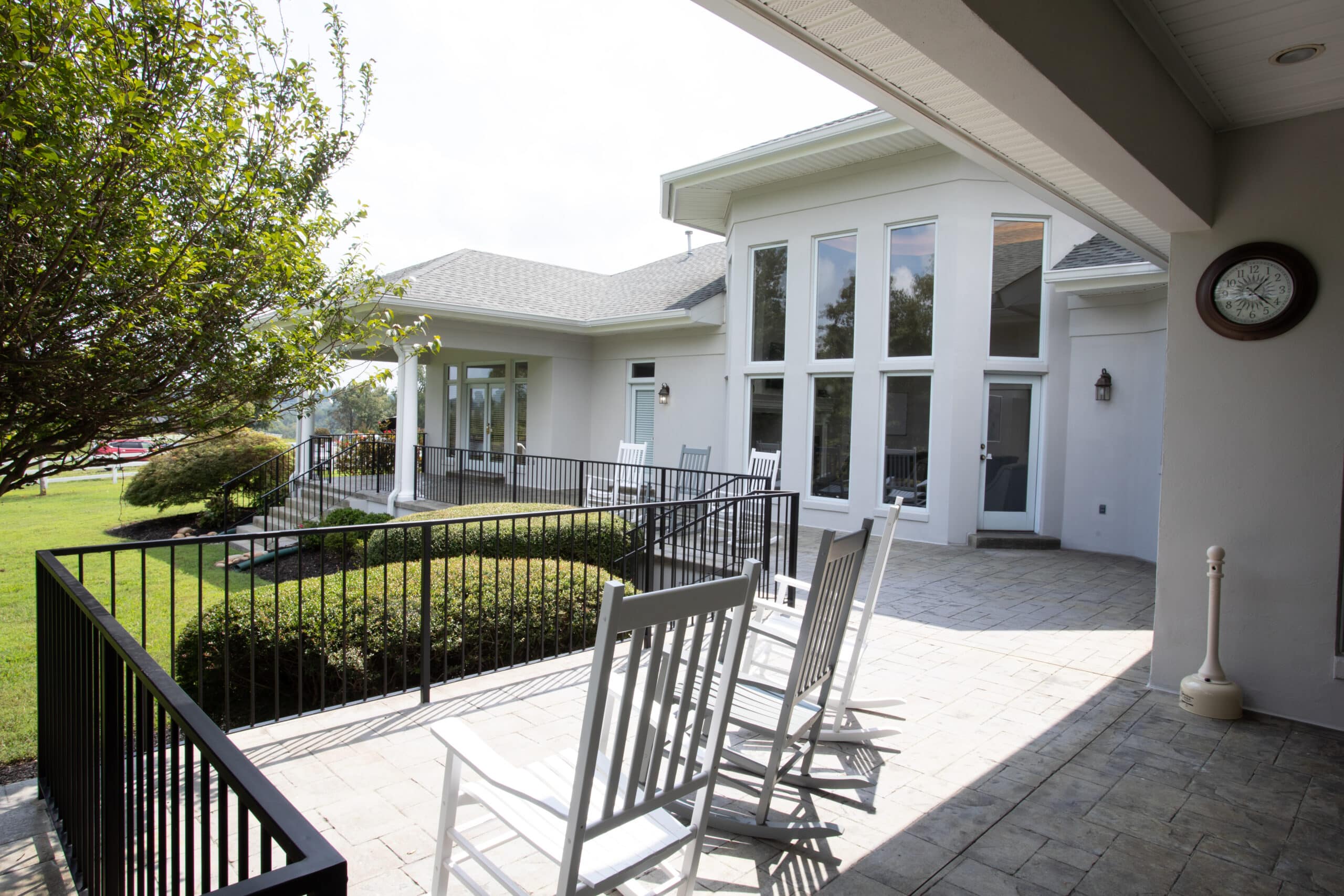
One of the key dynamics of a successful rehabilitation program is the quality, structure, and comfort of the facility during a resident’s stay. Set in the peaceful foothills of Tennessee, Magnolia Ranch Recovery provides a private, recovery-focused environment designed to facilitate self-discovery, self-growth, and self-reflection.
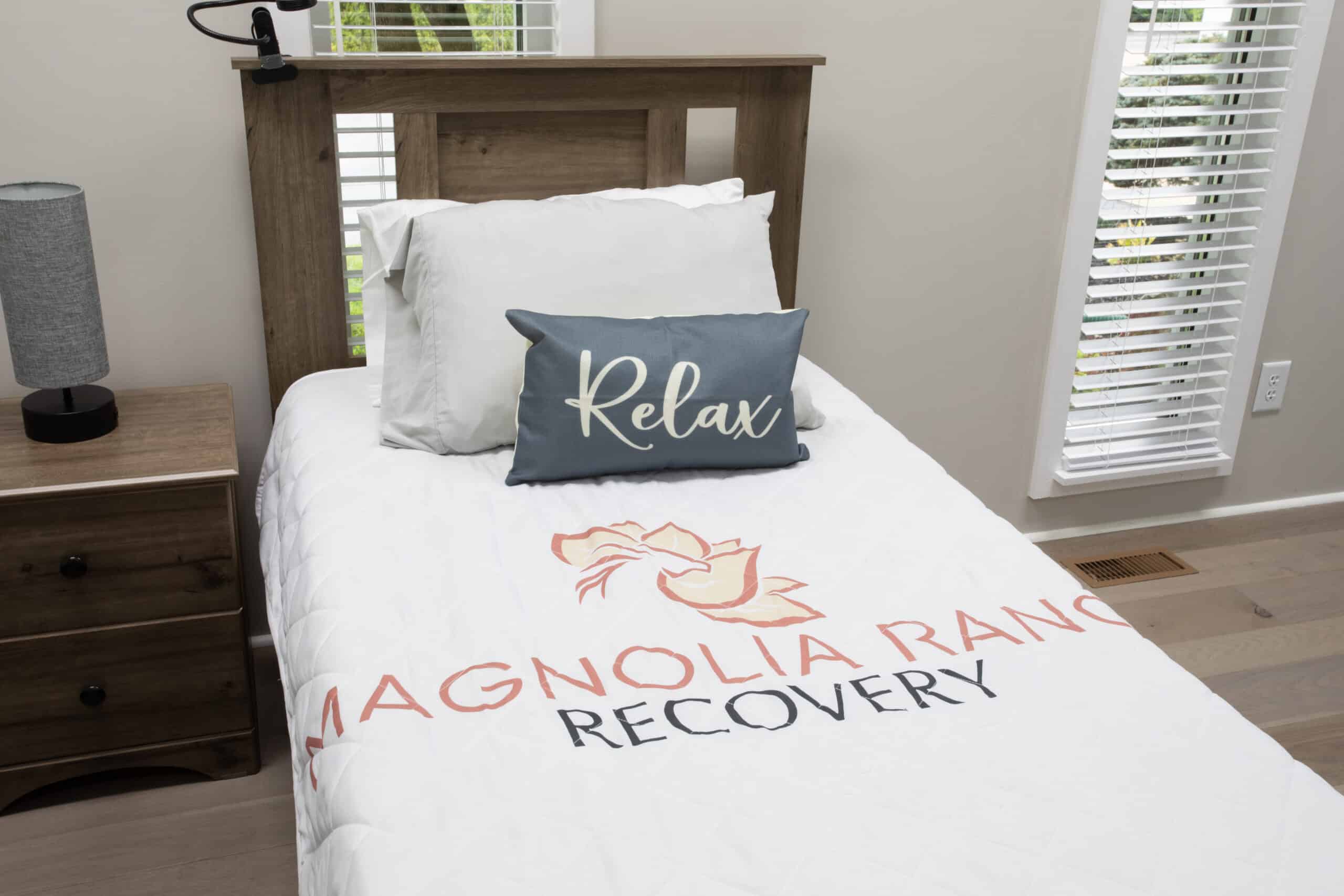
Residents are immersed in ongoing, seven-day-a-week therapeutic programming. During the day, clients undergo a strategically balanced mix of clinical, educational, and outdoor therapies, while lodging at night in our comfortably furnished, dual-occupancy rooms.
During our Tennessee residential program, each resident is matched with an exclusively personalized treatment track that includes a mandatory 1-hour, one-on-one meeting with their individual therapist each week to map out root causes and track progression milestones.
To help residents become entirely self-sufficient, our daily structure requires active participation in specialized clinical groups and life skills classes, including:
- Relapse Prevention & Educational Classes: Devotes time to analyzing how drugs and alcohol affect the mind and body in the short and long term, allowing patients to devise a concrete, actionable plan to implement when faced with temptation.
- Feelings, Moods, & Thoughts: Groups centered on Cognitive Behavioral Therapy (CBT) to help clients identify unhelpful behavioral loops and regulate strong emotions.
- Family Dynamics & Therapy: Focused on resolving underlying family conflicts, healing relational trauma, and helping loved ones learn exactly what to say and do to support ongoing sobriety.
- Holistic & Somatic Wellness: Daily integration of Yoga, mindfulness Meditation, Art Therapy, and Music Therapy to lower nervous system arousal and cultivate inner peace.
- Equine-Assisted Psychotherapy: An optional, highly transformative experiential modality that utilizes ground-based interactions with horses to foster radical self-awareness and healthy boundary development.
- On-Site Support Ecosystems: Incorporating on-site 12-step meetings and peer group counseling to help residents cultivate sober social skills within an encouraging community of their peers.
Between day programming, residents enjoy modern, premium amenities designed to make the recovery process as stress-free and smooth as possible, including nutritional support from a full-time, in-house chef, state-of-the-art electronics, transportation assistance, and organized on-site recreational activities.
4 Personal Variables That Determine Your Length of Stay

Because every individual’s physical health, genetic history, and metabolic rate are completely unique, our Joint Commission-accredited facility utilizes a milestone-driven framework to evaluate how long you should remain in residential care. Your specific treatment plan is adjusted continuously by our licensed staff of physicians and addiction specialists based on four core variables:
1. The Substance and Potency of Abuse
The specific chemical profile of the substance heavily influences the baseline timeline. For instance, while heroin withdrawal symptoms peak quickly and subside within a few days, long-acting prescription opioid painkillers, alcohol, or heavy benzodiazepine abuse can cause prolonged, post-acute withdrawal symptoms that require extended medical maintenance and clinical oversight to manage safely.
2. Co-Occurring Psychiatric Conditions
If an individual is battling an addiction alongside a pre-existing psychological issue—such as Major Depressive Disorder, schizophrenia, severe panic disorders, or trauma stemming from grief or divorce—they require specialized dual-diagnosis care. Shaper plans are adjusted carefully over time to monitor psychiatric medicine maintenance and ensure emotional stability.
3. Pre-Existing Medical Illnesses
Clients entering treatment with chronic physical illnesses, debilitating pain conditions, or unmanaged health needs require a longer stay so that our licensed medical team can treat the underlying physical pain appropriately. This stops the client from attempting to self-medicate with illicit substances upon discharge.
4. Progress in Life Skills and Distress Tolerance
Residential rehab is meant to empower you to become completely self-sufficient. Your length of stay is directly dependent on how quickly you master essential life skills, build a resilient relapse prevention roadmap, and establish a comprehensive aftercare plan (including direct referrals to sober living homes, partial hospitalization, or intensive outpatient support groups).
Key Takeaways
- Milestone Over Calendar: The ideal length of a residential rehab stay cannot be measured by a generic timeline; it depends entirely on an individual’s personal pace of physical, mental, and emotional healing.
- The Danger of Home Detox: Abruptly stopping alcohol or drugs at home causes intense discomfort and introduces life-threatening medical risks, including severe seizures, delirium tremens, psychosis, and a high probability of immediate overdose relapse.
- Comprehensive Daily Structure: Magnolia Ranch Recovery delivers an intensive, seven-day-a-week program in the Tennessee foothills, blending weekly 1-hour individual therapy with equine therapy, yoga, relapse prevention, and family dynamics classes.
- NIDA Clinical Standards: The National Institute on Drug Abuse emphasizes that effective rehabilitation must go beyond physical detox to include deep individual psychotherapy, drug education, and extensive life skills training to prevent relapse.
- Accredited Dual-Diagnosis Care: Fully accredited by the Joint Commission, our professional medical and therapeutic teams provide total health support, balancing brain chemistry and treating underlying trauma simultaneously.
Frequently Asked Questions About Residential Rehab Timelines
What is the primary difference between outpatient and inpatient residential rehab?
Outpatient rehab requires a patient to check in regularly with a treatment team for medication or therapy while continuing to live at home. This is rarely recommended for early recovery, as it fails to remove the individual from everyday stressors, toxic environments, and immediate access to substances. Inpatient residential rehab provides a 24/7, private, and distraction-free clinical sanctuary. It ensures immediate access to medical staff during emergencies, completely eliminates external triggers, and surrounds the individual with an uplifting community of peers.
How do buprenorphine and methadone assist during the treatment process?
The Food and Drug Administration (FDA) has approved specific long-acting medications like buprenorphine and methadone (as well as buprenorphine combined with naloxone, known as Suboxone) to treat severe opioid addiction. These pharmacological interventions safely bind to the brain’s receptors, alleviating intense physical cravings and eliminating withdrawal symptoms without producing a destructive, intoxicating high. Under strict clinical supervision, our medical team uses these medications to stabilize your biology, gradually tapering the dosage over time as you progress through therapy until you are completely drug-free.
What is delirium tremens, and why does it require immediate medical attention?
Delirium tremens (DTs) is a severe, life-threatening medical emergency that can occur within 2 to 4 days after an individual with a prolonged, heavy history of alcohol abuse abruptly stops drinking. Occurring in fewer than 10 percent of severe withdrawal cases, symptoms include profound confusion, disorientation, vivid hallucinations, extreme agitation, and dangerous grand mal seizures. If anyone you care about exhibits these warning signs during an unassisted detox, you must seek emergency medical help immediately, as DTs can be fatal if left untreated in a non-clinical environment.
How does Magnolia Ranch Recovery help prepare clients for life after residential treatment?
True rehabilitation does not end when you step off our campus. From your very first week, our case managers work collaboratively with you to design a comprehensive, individualized aftercare plan. Based on your progress, your next steps may include seamless referrals to trusted step-down outpatient treatment programs, partial hospitalization tracks (PHP), ongoing individual therapy networks, peer support groups, or verified sober living homes (“halfway houses”) to ensure you maintain total control of your sobriety as you transition back into society.
Reclaim Control of Your Story Today
Addiction and substance abuse have grown into a significant public health issue across America, impacting families, dismantling communities, and serving as a leading cause of death for individuals under the age of 50. The power of chemical dependency is incredibly strong, but it does not have to control your life or dictate your future for another day. Admitting that you need professional help is a profound act of personal strength, not a weakness.
At Magnolia Ranch Recovery, our compassionate, highly trained admissions professionals are standing by around the cloud to listen to your story, answer your logistical questions, and perform a free, completely confidential verification of your private health insurance benefits to maximize your coverage options.
Let our experienced clinical and medical teams manage the structural details of your care plan so that you can focus entirely on your physical and emotional transformation. Connect with our Tennessee admissions team today to begin your personalized journey toward lasting freedom as early as tomorrow.